
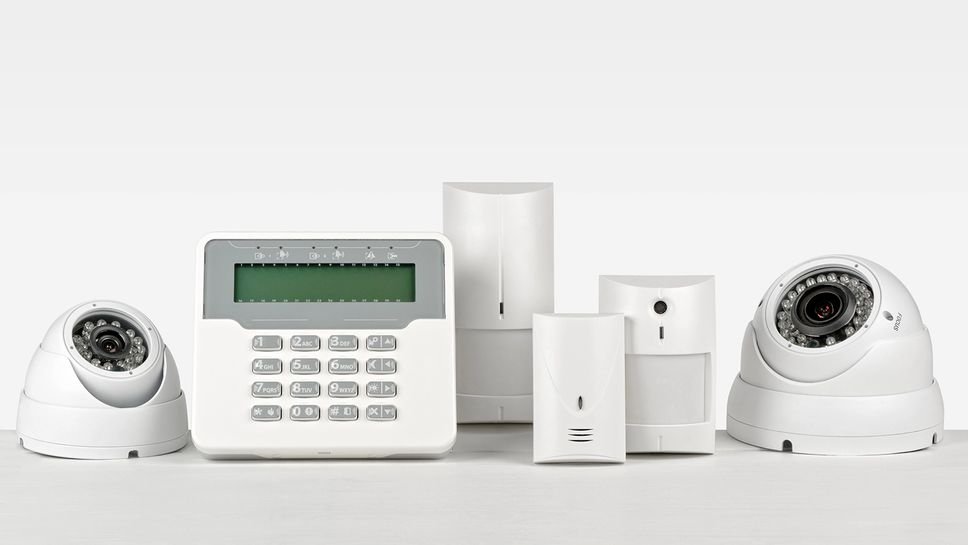
How to Choose the Right Location for Your Intruder Alarm Sensors
Choosing the correct locations for intruder alarm sensors is one of the most critical steps in building an effective security system. Even the most advanced alarm technology can fail if sensors are poorly positioned. Proper placement ensures early detection, reduces false alarms, and maximises overall protection.
At sahisecure volt, every intruder alarm system is designed with precise sensor positioning in mind, ensuring that vulnerable areas are covered without compromising usability or comfort.
Why Sensor Placement Matters in Intruder Alarm Systems
Intruder alarm sensors are the eyes and ears of your security system. Their job is to detect unauthorised entry or movement as quickly and accurately as possible. Incorrect placement can leave blind spots, cause frequent false triggers, or delay alarm activation.
A well-planned sensor layout improves response time, strengthens perimeter security, and ensures that the alarm system performs reliably in real-world conditions.
Understanding Different Types of Intruder Alarm Sensors
Motion Detectors
Motion sensors detect movement within protected areas. These are commonly installed in hallways, living rooms, staircases, and commercial walkways where intruders are most likely to pass.
Door and Window Contact Sensors
Contact sensors monitor entry points by detecting when doors or windows are opened. They form the first line of defence in most intruder alarm systems.
Glass Break and Shock Sensors
These sensors detect vibrations or sound frequencies caused by forced entry, making them ideal for properties with large glass panels or shopfronts.
Understanding how each sensor works helps determine the most effective placement strategy.
Key Areas to Prioritise When Placing Alarm Sensors
Main Entry Points
Doors are the most common access points for intruders. Front doors, back doors, and side entrances should always be protected with contact sensors. In many cases, combining door sensors with nearby motion detectors provides added security.
Ground Floor Windows
Windows on the ground floor or easily accessible upper floors are high-risk areas. Contact sensors or shock sensors should be installed on these openings to detect intrusion attempts early.
Hallways and Corridors
Hallways act as natural movement paths within a property. Installing motion detectors here increases the likelihood of detecting intruders after entry.
Best Practices for Motion Sensor Placement
Optimal Height and Angle
Motion detectors should be installed at the manufacturer’s recommended height, usually between 2 and 2.5 metres. This allows for accurate coverage while minimising blind spots.
Avoiding Heat Sources
Placing sensors near radiators, fireplaces, or direct sunlight can cause false alarms. Proper positioning avoids interference from temperature changes or air movement.
Considering Pet-Friendly Solutions
For homes with pets, sensor placement must account for animal movement. Modern intruder alarm systems can be configured with pet-immune sensors to prevent unnecessary triggers.
Strategic Placement for Door and Window Sensors
Consistent Coverage Across All Openings
Every external door and accessible window should be monitored. Even rarely used entrances can be targeted by intruders if left unprotected.
Secure Mounting for Reliable Detection
Contact sensors must be firmly aligned and securely mounted to ensure accurate detection. Loose or poorly installed sensors can cause system faults over time.
At sahisecure volt, installers ensure precise alignment during every intruder alarm installation.
Internal vs External Sensor Placement
Internal Protection Layers
Internal sensors detect intruders once they have entered the property. These are essential for catching intruders who bypass external defences.
External Detection Options
External motion sensors or perimeter protection systems can detect suspicious movement before entry occurs. These are especially effective for larger properties and commercial premises.
A layered approach provides comprehensive coverage and increases deterrence.
Avoiding Common Sensor Placement Mistakes
Overlapping Coverage Without Purpose
Too many sensors covering the same area can lead to false alarms and unnecessary complexity. Each sensor should have a clear role in the system design.
Ignoring Blind Spots
Corners, stair landings, and secondary access routes are often overlooked. A professional assessment helps identify areas that are easily missed.
Poor Planning for Furniture and Layout Changes
Furniture rearrangements can block sensor views. Installers should anticipate layout changes when designing sensor placement.
Customising Sensor Placement for Different Property Types
Residential Properties
Homes require a balance between security and daily comfort. Sensor placement should protect key areas without disrupting normal movement.
Commercial and Office Buildings
Businesses often need zoning, restricted access areas, and out-of-hours protection. Sensor placement must reflect staff movement patterns and operational hours.
Retail and Industrial Spaces
High-value stock areas, loading bays, and storage rooms require enhanced sensor coverage to reduce theft risks.
Professional Assessment vs DIY Placement
While DIY alarm systems may seem convenient, improper sensor placement often leads to poor performance. Professional installers understand how intruders move, where vulnerabilities exist, and how to configure sensors effectively.
With sahisecure volt, every intruder alarm system is installed following a structured assessment process to ensure maximum efficiency and long-term reliability.
Testing and Fine-Tuning Sensor Locations
Initial System Testing
Once sensors are installed, thorough testing ensures each device responds correctly to movement or entry attempts.
Adjustments for Accuracy
Sensitivity levels and detection zones are adjusted to match the environment. This step significantly reduces false alarms and improves confidence in the system.
Long-Term Maintenance and Sensor Performance
Over time, sensors may need repositioning due to building changes or wear. Regular servicing ensures they remain effective and aligned with your security needs.
Routine inspections are an essential part of maintaining a dependable intruder alarm system.
Final Thoughts
Choosing the right location for your intruder alarm sensors is not just about coverage—it’s about intelligent design. Strategic placement improves detection speed, reduces false alerts, and strengthens overall security.
By working with experienced professionals like sahisecure volt, you ensure your intruder alarm system is thoughtfully planned, expertly installed, and built to protect what matters most.









0 Comments