
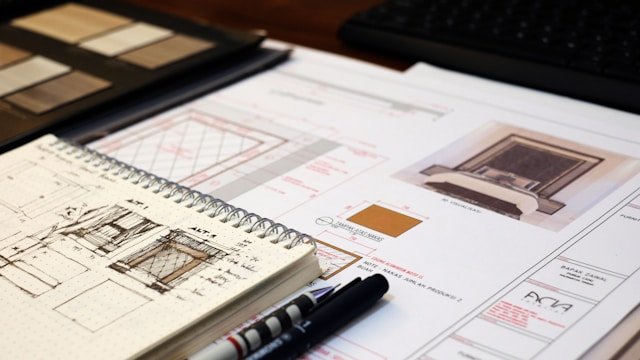
How Engineers Coordinate Structural Plans for a Pre-Selling Condo in Cebu
Every successful condominium development begins with careful planning long before construction starts. Structural engineers work closely with architects, mechanical engineers, electrical engineers, plumbing specialists, and project managers to create a safe, efficient, and buildable design. This collaboration helps prevent costly revisions during construction while ensuring the building complies with engineering standards and local regulations. Buyers considering a Pre-Selling Condo in Cebu benefit from understanding how structural planning contributes to the safety, durability, and long-term value of a residential development.
Why Structural Coordination Is Essential
Supports Building Safety
Structural plans determine how a building will safely carry its own weight as well as the loads created by occupants, furniture, equipment, and environmental forces. Proper coordination helps ensure every structural component works together as intended. This process reduces the likelihood of design conflicts before construction begins.
Improves Construction Efficiency
Well-coordinated plans allow contractors to follow clear construction sequences without unnecessary delays. Identifying design issues early minimizes costly changes after work begins. Efficient planning also helps keep projects on schedule.
Ensures Regulatory Compliance
Condominium developments must meet national building codes and local engineering requirements. Structural engineers prepare designs that satisfy these standards while supporting the project's architectural vision. Compliance also helps streamline the permitting process.
How Engineers Work Together
Collaborating With Architects
Architects focus on building layout, appearance, and functionality, while structural engineers develop systems that support those designs safely. Regular coordination ensures columns, beams, slabs, and walls fit within the architectural concept without affecting usability. Close communication allows both teams to achieve practical and attractive results.
Coordinating With Mechanical, Electrical, and Plumbing Teams
Mechanical, electrical, and plumbing systems require space within floors, ceilings, and walls. Structural engineers coordinate these installations to avoid conflicts with beams, columns, and other load-bearing elements. This collaboration helps simplify construction while protecting structural integrity.
Reviewing Construction Documents
Engineers conduct detailed reviews of drawings before construction begins to identify inconsistencies or missing information. These reviews help ensure all disciplines are working from coordinated plans. Developers of a Pre-Selling Condo in Cebu rely on this process to reduce construction risks and improve overall project quality.
Important Elements of Structural Planning
Foundation Design
The foundation transfers the building's weight safely to the ground. Engineers evaluate soil conditions and expected building loads before selecting an appropriate foundation system. Proper foundation design supports long-term structural stability.
Load Calculations
Structural engineers calculate how different loads affect the building throughout its lifespan. These include dead loads, live loads, wind forces, and seismic activity. Accurate calculations help determine the size and placement of structural components.
Material Selection
Concrete, reinforcing steel, and structural steel are selected based on project requirements and engineering calculations. Material quality directly influences the building's strength and durability. Careful selection also supports long-term maintenance and performance.
Technology That Improves Coordination
Building Information Modeling
Building Information Modeling allows engineers to create digital representations of structural systems and coordinate them with other building disciplines. Three-dimensional models help identify design conflicts before construction begins. This improves communication and reduces expensive revisions.
Structural Analysis Software
Engineering software performs detailed calculations that evaluate how a building responds to different loading conditions. These tools improve accuracy while helping engineers optimize structural designs. Digital analysis also supports compliance with engineering standards.
Digital Collaboration Platforms
Modern project teams often use cloud-based platforms to share updated drawings, specifications, and project information. Centralized document management reduces communication errors and ensures everyone works from the latest revisions. Better coordination improves project efficiency.
Benefits for Future Homeowners
Greater Confidence in Construction Quality
Carefully coordinated structural plans contribute to buildings that perform reliably over many years. Buyers gain confidence knowing engineering decisions are supported by thorough planning and professional review. Strong structural design also supports long-term property value.
Fewer Construction Delays
Well-coordinated engineering documents reduce the likelihood of unexpected design conflicts during construction. Fewer delays help projects progress more efficiently toward completion. Buyers interested in a Pre-Selling Condo in Cebu often benefit from developments that follow organized planning and coordination processes.
Long-Term Durability
Quality structural planning supports buildings that withstand daily use and environmental conditions while maintaining safety and stability. Durable construction reduces the need for major structural repairs throughout the building's lifespan. Proper engineering remains one of the foundations of lasting residential developments.
Key Takeaway
Structural coordination is a critical part of every condominium project, bringing together architects, engineers, contractors, and other specialists to create safe, efficient, and durable buildings. Foundation design, load analysis, material selection, digital modeling, and thorough document reviews all contribute to successful construction outcomes. Choosing a Pre-Selling Condo in Cebu developed through careful engineering coordination gives buyers greater confidence in the property's safety, quality, and long-term investment value.








0 Comments