
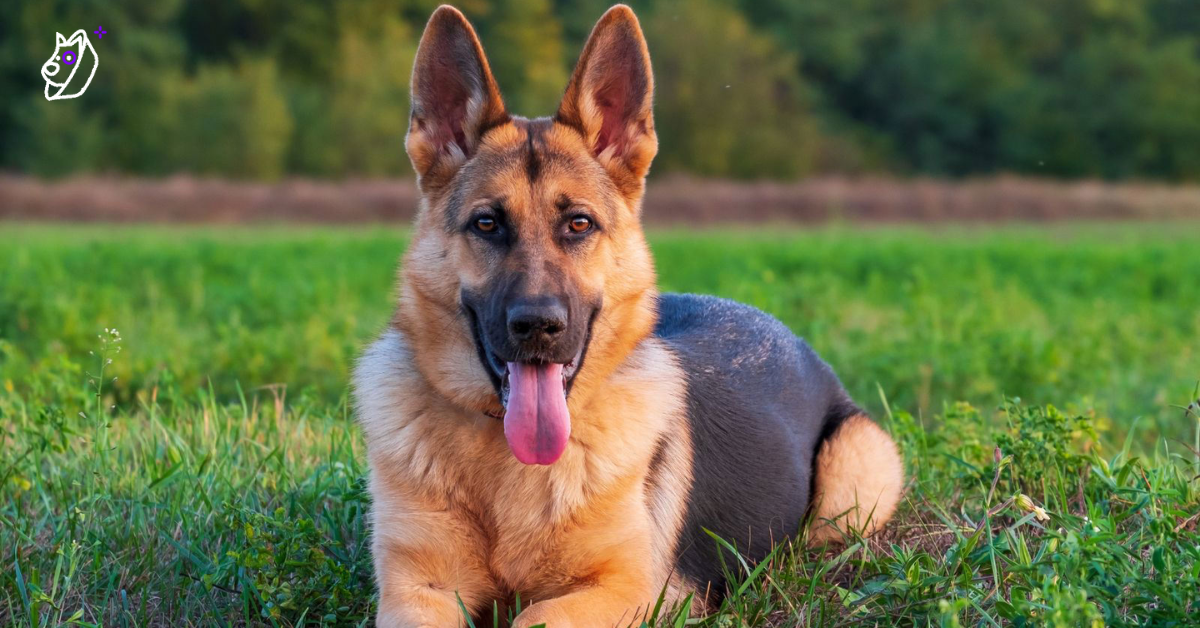
German Shepherd Breed: Complete Guide for New Owners
The German Shepherd breed is known for its intelligence, loyalty, athletic ability, and strong protective instincts. Originally developed for herding and working duties, these dogs are now valued as family companions, service dogs, police dogs, and working partners.
Their intelligence makes them highly trainable, but they are not a low-maintenance breed. German Shepherds need regular exercise, mental stimulation, proper training, socialization, grooming, and veterinary care. Understanding these needs before bringing one home can help you decide whether this breed fits your lifestyle.
German Shepherd Temperament and Personality
German Shepherds form strong bonds with their families and are naturally alert to their surroundings. They may be cautious around unfamiliar people, which is part of their working heritage. With appropriate socialization and training, this alertness can develop into confidence rather than fear or unwanted reactivity.
One of the breed's greatest strengths is intelligence. German Shepherds learn commands quickly and often enjoy having a purpose. Without enough mental stimulation, however, they can become bored and may develop behaviors such as excessive barking, chewing, digging, or jumping.
Consistent routines, positive reinforcement, and clear boundaries can help a German Shepherd become a confident and well-mannered companion.
How Much Exercise Does a German Shepherd Need?
The German Shepherd breed is energetic and generally requires around 1.5 to 2 hours of activity each day. A simple walk may not provide enough stimulation because these dogs benefit from a combination of physical exercise and mental challenges.
A healthy daily routine can include:
Brisk walks, hiking, running, or fetch
Obedience and training sessions
Puzzle toys and interactive games
Nose work and tracking exercises
Supervised outdoor play
Mental stimulation is especially important. Short training sessions can challenge a German Shepherd's problem-solving abilities while helping prevent boredom and destructive behavior.
Training and Socialization
Training should begin when a puppy arrives home. German Shepherds are quick learners, so teaching good habits early can make life much easier as the dog grows.
Socialization is equally important. Puppies should gradually experience different people, environments, sounds, surfaces, and friendly dogs in positive situations. Early experiences can help them develop confidence and become more comfortable with unfamiliar situations.
Positive reinforcement is an effective training approach. Rewarding desirable behavior with treats, praise, or play encourages learning while building trust between the dog and owner. Harsh punishment can create fear and may damage the relationship.
German Shepherds can also excel in activities such as agility, obedience, tracking, scent work, herding, and other structured canine sports.
Grooming and Shedding
One important consideration for anyone researching the German Shepherd breed is shedding. German Shepherds have a double coat and typically shed throughout the year, with heavier periods of shedding during seasonal coat changes.
Regular brushing helps remove loose hair and keeps the coat in good condition. During heavy shedding periods, brushing more frequently can reduce the amount of loose fur around the home.
Basic grooming should also include:
Regular brushing
Weekly ear checks
Routine nail trimming
Occasional bathing when necessary
Regular checks for skin irritation or unusual lumps
Avoid excessive bathing because it can remove natural oils from the skin and contribute to irritation.
Feeding a German Shepherd
Good nutrition is essential for maintaining healthy growth, weight, muscles, and joints. Puppies generally need a complete large-breed puppy formula, while fully grown dogs need a suitable maintenance diet.
Portion sizes should be based on age, weight, activity level, body condition, and the calorie content of the food. Excess weight can put additional pressure on the joints, which is particularly important for a large breed such as the German Shepherd.
Fresh drinking water should always be available. If you are unsure which food or feeding schedule is appropriate, consult a veterinarian.
For more practical information about responsible pet ownership, Focus PetCare provides resources covering dog care, nutrition, grooming, and other pet-related topics.
Common Health Concerns
German Shepherds can be affected by several health conditions, including hip dysplasia, elbow dysplasia, degenerative myelopathy, digestive problems, certain cancers, and heart conditions.
Another serious concern is gastric dilatation-volvulus, commonly known as bloat. This condition can become life-threatening quickly.
Potential warning signs include:
A swollen or distended abdomen
Repeated attempts to vomit without producing anything
Restlessness or pacing
Excessive drooling
Signs of obvious discomfort
If bloat is suspected, seek emergency veterinary care immediately rather than waiting for symptoms to improve.
Regular veterinary examinations, maintaining a healthy weight, and choosing puppies from responsible breeders who perform appropriate health screening can help reduce certain risks.
Is a German Shepherd Right for You?
The German Shepherd breed can be an excellent choice for active and committed owners. However, prospective owners should understand the time and effort involved before making a decision.
This breed generally does best with people who can provide:
Daily physical exercise
Regular mental stimulation
Consistent training
Early socialization
Routine grooming
Proper nutrition
Preventive veterinary care
Plenty of companionship
A German Shepherd may not be the best choice for someone who is frequently away from home or unable to provide regular exercise and interaction.
Final Thoughts
The German Shepherd breed combines intelligence, loyalty, athleticism, and a strong desire to work. These qualities make the breed an excellent companion for owners who understand its needs and are prepared to invest time in training and care.
With proper socialization, balanced nutrition, regular exercise, grooming, and veterinary attention, a German Shepherd can become a loyal and rewarding family companion.
Before choosing a puppy or bringing home a grown dog, carefully consider your daily routine, available time, living environment, and ability to meet the breed's physical and mental needs. Resources such as Focus PetCare can also help owners continue learning about responsible dog ownership and everyday pet care.








0 Comments