
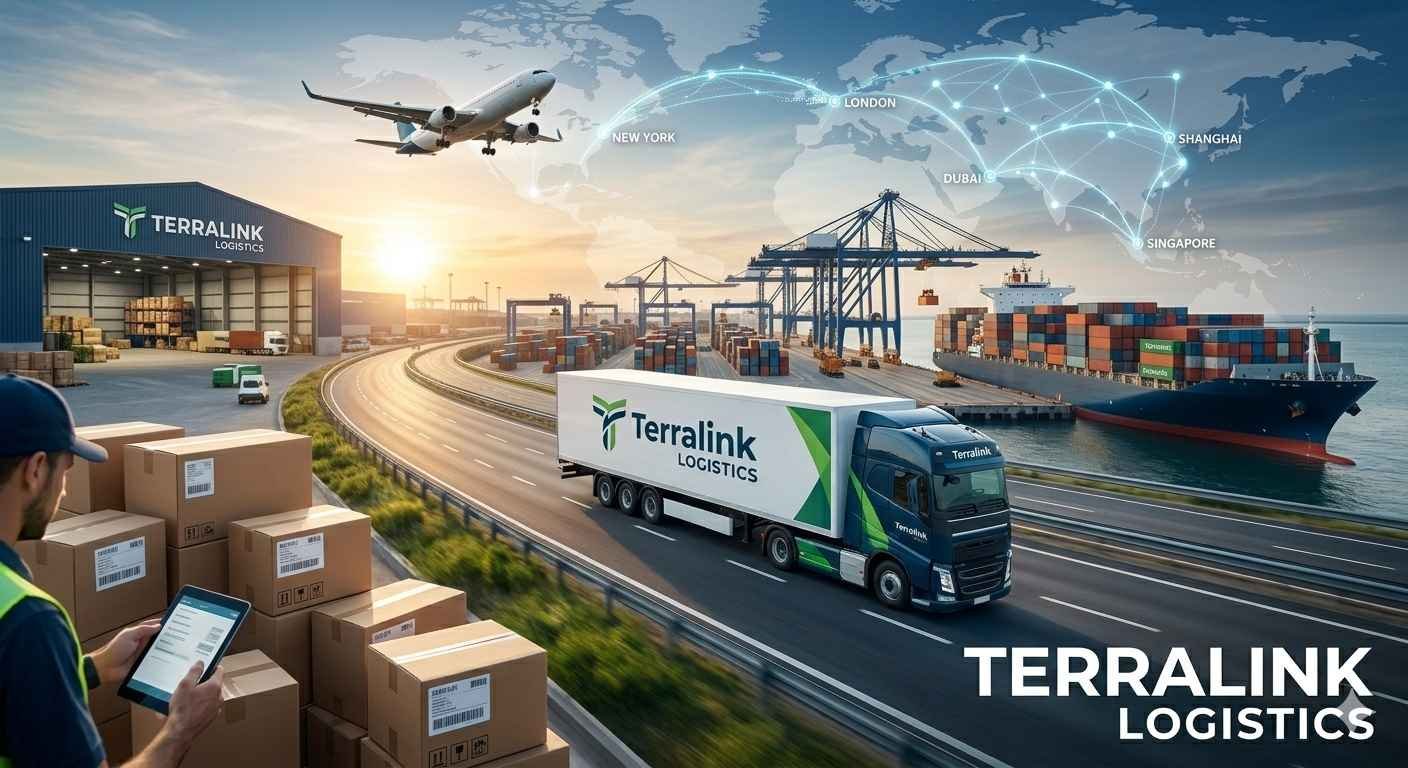
Why Intermodal Connectivity Depends Heavily on Drayage Shipping
Introduction
Modern supply chains rely on speed, flexibility, and strong connections between different transportation networks. Businesses today move goods across oceans, railways, highways, and distribution centers to meet customer expectations and maintain competitive operations. However, connecting these transportation methods smoothly requires more than just large vessels, freight trains, or long-haul trucks. A critical link that keeps the entire system moving is drayage shipping.
Drayage shipping focuses on the short-distance movement of freight, especially the transportation of containers between ports, rail terminals, warehouses, and distribution facilities. Although these movements cover shorter distances compared to traditional trucking routes, they play a major role in maintaining the efficiency of global trade networks. Without reliable drayage operations, containers can remain delayed at ports, supply chains can experience interruptions, and businesses may face unnecessary costs.
Intermodal transportation depends heavily on coordination between multiple modes of transport. Ocean carriers, rail providers, trucking companies, and logistics networks must work together to move goods efficiently from their origin to their final destination. This is where professional drayage shipping services become essential. They provide the connection point between different transportation systems, ensuring that freight continues moving without unnecessary delays.
Businesses often work with experienced logistics providers that combine drayage capabilities with broader freight forwarding services. These providers help manage complex transportation requirements, including container handling, scheduling, documentation, and route planning. By improving connectivity between transportation modes, drayage shipping supports stronger supply chains and better operational performance.
This article explores why intermodal connectivity depends heavily on drayage shipping, how it supports global logistics, and why companies need dependable solutions to maintain efficient freight movement.
The Essential Role of Drayage Shipping in Intermodal Transportation
Intermodal transportation involves using multiple transportation methods during a single shipment journey. For example, a container may travel by ship from another country, transfer to rail for inland movement, and then continue by truck to a warehouse. Each stage requires precise coordination to avoid delays and maintain supply chain efficiency.
Drayage shipping acts as the connection between these different stages. When a container arrives at a port, it cannot move directly to a rail network or storage facility without proper handling. Specialized drayage carriers transport containers from the port to nearby rail yards, warehouses, or logistics hubs. This short-distance movement creates a smooth transition between transportation modes.
The importance of drayage becomes clear when considering the volume of goods moving through major ports and transportation centers. Thousands of containers enter and leave ports every day, and even small delays can create significant disruptions. If containers are not transported quickly from terminals, ports can become congested, storage costs can increase, and businesses may experience inventory shortages.
Reliable drayage shipping services help reduce these challenges by providing organized container movement. Professional carriers understand port procedures, terminal requirements, appointment scheduling, and freight regulations. Their expertise allows shipments to move efficiently while reducing the risk of delays.
Another important factor is timing. Intermodal transportation depends on precise schedules. A delay in one transportation stage can affect the entire supply chain. For example, if a container is not moved from a port to a rail terminal on time, it may miss its scheduled train departure. This can lead to additional waiting periods and increased transportation expenses.
Drayage services help prevent these issues by ensuring containers reach the next transportation point according to planned schedules. Their role may involve container pickup, delivery coordination, unloading support, and communication with different logistics partners.
How Drayage Shipping Improves Supply Chain Efficiency
Efficient supply chains require visibility, reliability, and strong coordination. Companies cannot depend only on long-distance transportation methods because the first and final stages of freight movement often determine overall success. Drayage shipping improves these critical connection points and allows businesses to maintain better control over their logistics operations.
One major advantage of professional drayage is faster cargo movement. Ports and rail terminals often experience heavy traffic, especially during peak shipping seasons. Without efficient container transportation, goods may remain stationary for extended periods. Drayage providers help move freight quickly, reducing congestion and improving overall transportation flow.
Cost management is another important benefit. Poorly managed container movement can result in additional fees, including storage charges, terminal fees, and equipment costs. By coordinating pickups and deliveries effectively, drayage companies help businesses avoid unnecessary expenses.
Technology has also improved the way modern drayage operations work. Many transportation providers now use digital tracking systems, route optimization tools, and automated communication platforms. These technologies allow businesses to monitor container locations, receive shipment updates, and make better logistics decisions.
Companies that require flexible transportation options often combine drayage with ltl drayage shipping services. These solutions can support smaller freight requirements while maintaining efficient connections between transportation networks. This flexibility allows businesses of different sizes to benefit from organized container movement without depending on inefficient transportation arrangements.
Additionally, experienced logistics companies offering freight forwarding services often integrate drayage into complete supply chain solutions. Instead of managing multiple transportation providers separately, businesses can work with a single partner that coordinates international shipping, customs procedures, inland transportation, and final delivery.
This integrated approach creates better communication between all parties involved. When shipping companies, carriers, warehouses, and customers share accurate information, supply chains become more predictable and efficient.
The Relationship Between Drayage Shipping and Global Trade Networks
Global trade depends on interconnected transportation systems. Manufacturers, retailers, and distributors often source products from international markets, requiring reliable movement from overseas suppliers to domestic facilities. Drayage shipping supports this process by connecting international transportation with local and regional distribution networks.
Ports serve as major gateways for global commerce, but they cannot function independently. Ships deliver containers, rail systems transport goods across long distances, and trucks complete final delivery stages. Drayage connects these systems and ensures that freight continues moving after arriving at important transportation hubs.
The growth of e-commerce has increased demand for faster and more efficient logistics operations. Customers expect quick deliveries, and businesses must maintain sufficient inventory levels to meet demand. Any interruption in transportation can affect customer satisfaction and business performance.
Drayage providers help businesses respond to these challenges by improving the speed and reliability of container movement. Their services allow companies to maintain better inventory control and reduce delays between transportation stages.
Environmental concerns have also influenced modern logistics strategies. Intermodal transportation is often considered more sustainable because combining rail and ocean shipping can reduce fuel consumption compared to relying entirely on highway transportation. However, the benefits of intermodal shipping depend on efficient connections between each mode.
Drayage plays a key role in making these connections possible. By ensuring containers move smoothly between ports, rail facilities, and distribution centers, drayage supports more efficient transportation networks.
Businesses that focus on sustainability often look for logistics partners that can optimize transportation routes and reduce unnecessary movements. Professional drayage shipping services contribute to these goals by improving planning, reducing idle time, and supporting organized freight movement.
Challenges in Drayage Shipping and the Need for Reliable Solutions
Although drayage shipping provides significant benefits, the industry faces several challenges. Port congestion, driver shortages, equipment availability, and changing regulations can create difficulties for transportation providers and businesses.
Port congestion remains one of the most common issues affecting drayage operations. When ports experience high container volumes, trucks may face long waiting times before collecting or delivering shipments. These delays can increase operating costs and reduce transportation efficiency.
Reliable planning and communication help reduce these problems. Experienced drayage companies understand terminal procedures and use technology to schedule efficient pickups and deliveries. They can identify potential delays and adjust transportation plans when necessary.
Equipment management is another challenge. Drayage operations require specialized equipment, including container chassis and trucks designed for freight movement. Limited equipment availability can slow down shipping processes. Professional providers maintain strong equipment networks to support consistent transportation services.
Regulatory compliance is also important in drayage shipping. Transportation companies must follow safety standards, environmental regulations, and industry requirements. Working with experienced providers helps businesses avoid compliance issues and maintain reliable operations.
Another challenge involves coordination between multiple logistics partners. Intermodal shipping requires communication between ocean carriers, rail operators, trucking companies, warehouses, and customers. Poor communication can create misunderstandings, delays, and additional costs.
Companies offering comprehensive freight forwarding services help solve these challenges by managing different transportation stages through coordinated solutions. They provide better visibility, improved planning, and stronger control over the entire shipping process.
For businesses with specific freight needs, ltl drayage shipping services can provide additional flexibility. These services help companies manage smaller shipments while still benefiting from organized logistics support.
The Future of Drayage Shipping in Intermodal Logistics
As global supply chains continue to evolve, the importance of drayage shipping will continue to grow. Businesses are searching for faster, more transparent, and more reliable transportation solutions. Drayage providers are adapting by using advanced technology, improving operational efficiency, and developing stronger logistics networks.
Digital transformation will play a major role in the future of drayage. Real-time tracking systems, automated scheduling, and data analytics will help companies improve decision-making and reduce transportation delays. These technologies will allow logistics providers to manage container movement with greater accuracy.
The demand for integrated logistics solutions will also increase. Businesses no longer want isolated transportation services. They need partners that can provide complete supply chain support, from international shipping to final delivery. This creates more opportunities for companies offering combined drayage and freight forwarding services.
Sustainability will remain another important focus. Transportation providers will continue exploring ways to reduce emissions, improve fuel efficiency, and optimize delivery routes. Efficient drayage operations will contribute to greener intermodal transportation systems.
The future of global logistics depends on stronger connections between transportation networks. Drayage shipping will remain a vital component because it creates the bridge between major transportation methods. Without effective drayage operations, even advanced shipping networks would struggle to maintain smooth freight movement.
Conclusion
Intermodal connectivity depends heavily on drayage shipping because it provides the essential link between ports, rail terminals, warehouses, and distribution centers. While drayage involves shorter transportation distances, its impact on global supply chains is significant. Efficient container movement helps reduce delays, control costs, and maintain reliable freight operations.
Businesses that want to improve their logistics performance should prioritize experienced transportation partners that understand the complexities of intermodal shipping. Professional drayage shipping services provide the expertise, technology, and coordination needed to keep goods moving efficiently.
Whether companies require specialized ltl drayage shipping services or complete logistics management through freight forwarding services, choosing the right provider can make a major difference in supply chain success.








0 Comments