
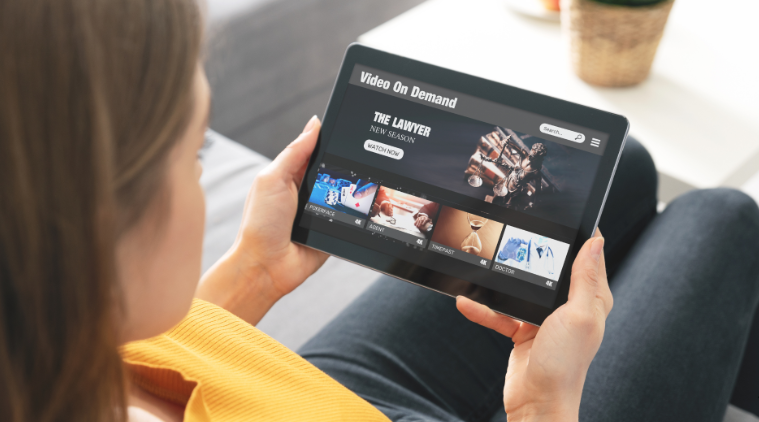
Why Businesses Are Investing in Live Video Streaming Solutions in 2026
A few years ago, live streaming was something businesses experimented with. A product launch here, a webinar there, maybe a sports stream if the budget allowed for it. In 2026, that mindset has changed completely. Live video is no longer an “extra feature” companies add to their digital strategy. For many businesses, it has become part of the business itself.
The shift is happening across industries. Media companies are streaming live sports and events directly to apps. EdTech platforms are running large-scale virtual classrooms. Retail brands are using live commerce to sell products in real time. Even internal corporate communication has started moving toward interactive streaming experiences instead of static video calls.The reality is simple: audiences now expect live experiences everywhere.And businesses that cannot deliver stable, high-quality streaming are starting to feel the gap. Buffering during a live event, stream crashes during peak traffic, poor mobile playback, or delays in video delivery can damage trust faster than most companies realize.That is exactly why investment in professional live video streaming solution platforms has increased sharply over the last two years.
According to Grand View Research, the global video streaming market is projected to cross USD 400 billion before the end of the decade, with enterprise streaming adoption growing rapidly across Asia-Pacific markets, including India. Businesses are not investing because streaming looks modern. They are investing because reliable live streaming infrastructure directly impacts engagement, retention, revenue, and customer experience.
What a Live Video Streaming Solution Actually Means
A lot of businesses still assume streaming is simply about going live with a camera and an internet connection. On paper, it sounds simple. In practice, large-scale live streaming is a technical operation involving multiple moving parts working together simultaneously.
A professional live video streaming solution includes:
- Video ingestion and encoding
- Cloud transcoding
- CDN delivery
- Adaptive bitrate streaming
- Multi-device playback
- Low-latency infrastructure
- DRM and security protection
- Analytics and viewer tracking
- Monetization systems
- OTT integration
All of these layers determine whether viewers experience a smooth stream or leave within seconds.That is where businesses struggle.Free live streaming apps might work for small creators or casual broadcasting, but enterprises dealing with thousands or millions of viewers need something far more reliable. A streaming failure during a sports match, shareholder meeting, product launch, or ticketed event is not just embarrassing. It can create measurable financial losses. Modern live streaming platforms are designed to prevent exactly that.
Why Businesses Are Increasing Investments in Live Streaming Platforms
The growth of streaming is no longer limited to entertainment companies. Businesses across almost every sector are building streaming capabilities into their operations.
The Viewer Behavior Shift Is Permanent
Consumer habits changed significantly after 2020, but what surprised many businesses was how permanent those changes became.
People now expect:
- Instant access to live content
- Mobile-friendly playback
- Interactive experiences
- Multi-device viewing
- Real-time engagement
According to Cisco’s Visual Networking Index, video continues to account for more than 80% of global internet traffic. Live video, in particular, is seeing stronger engagement compared to static content formats. Businesses noticed this quickly.
A webinar with live Q&A performs better than a recorded presentation. A live shopping event drives more conversions than standard product pages. Sports fans stay engaged longer during real-time interactive streams compared to delayed broadcasts. This is not just about content anymore. It is about audience behavior.
Streaming Has Become a Revenue Channel
For many businesses, streaming is no longer a marketing tool. It is becoming a direct monetization engine.
OTT platforms, fitness apps, gaming companies, media houses, and educational businesses are all building revenue models around live streaming services.
Some common monetization approaches include:
- Subscription-based streaming
- Pay-per-view events
- Ad-supported live content
- Virtual event ticketing
- Interactive shopping streams
- Sponsorship integrations
In India especially, the OTT and sports streaming market has grown aggressively due to mobile internet adoption and affordable data pricing. JioCinema’s IPL streaming numbers demonstrated how massive live digital audiences have become. Businesses are paying attention because the scale is impossible to ignore.
Common Challenges Companies Face With Streaming Infrastructure
The demand for live streaming sounds exciting until companies actually try running large-scale events themselves. That is usually when technical problems begin.
Scalability Problems During Peak Traffic
A stream may work perfectly with 500 viewers. The situation changes completely when traffic jumps to 50,000 concurrent users. Without scalable cloud infrastructure and CDN optimization, streams begin to lag, buffer, or crash entirely.
This is one of the biggest reasons businesses move toward professional live streaming platform providers instead of relying on basic systems.
Latency Issues
For industries like sports betting, gaming, auctions, and live commerce, latency becomes a serious issue. Even a 20–30 second delay can break the viewer experience.
Low-latency streaming infrastructure requires advanced encoding workflows, edge delivery optimization, and carefully configured CDN routing. That is not something most businesses can build internally without significant investment.
Multi-Device Compatibility
Users now stream content on:
- Smart TVs
- Android devices
- iPhones
- Tablets
- Web browsers
- Gaming consoles
Maintaining consistent playback quality across all devices is harder than it sounds. Different screen sizes, bandwidth conditions, and operating systems create playback challenges constantly.
Security and Piracy Concerns
Piracy remains a major concern for sports broadcasters and OTT platforms.Unauthorized restreaming, credential sharing, and content theft can impact revenue significantly. That is why modern live streaming solutions increasingly include:
- Multi DRM protection
- Token authentication
- Geo-blocking
- Secure playback encryption
- Watermarking systems
Without these layers, premium content becomes vulnerable very quickly.
Why Businesses Prefer Professional Live Streaming Services
Businesses that initially tried managing streaming internally often reach a point where outsourcing or partnering with experienced providers becomes the smarter decision.
The reason usually comes down to operational efficiency.
Better CDN Performance
Content Delivery Networks play a huge role in stream quality. The closer the content is delivered to viewers geographically, the lower the buffering and latency issues become.
Leading live streaming services use multi-CDN architectures to improve reliability during traffic spikes.
This becomes especially important for businesses serving viewers across India, Southeast Asia, Europe, and North America simultaneously.
Faster Deployment
Building a streaming infrastructure from scratch can take months.
Using managed live streaming services reduces deployment time dramatically. Businesses can launch OTT apps, event platforms, or enterprise streaming portals much faster without handling backend complexity internally.
Lower Operational Stress
The reality is most businesses are not streaming companies.
Managing encoding pipelines, monitoring uptime, optimizing bandwidth costs, and handling viewer analytics requires specialized teams.
Professional providers reduce that operational burden significantly.
Real-World Business Use Cases Driving Streaming Adoption
The growth of streaming in 2026 is being driven by very practical business use cases.
Sports Streaming Platforms
Sports streaming remains one of the largest drivers of live video infrastructure investment globally.
Fans now expect:
- Real-time streaming
- Multi-camera views
- Instant highlights
- Interactive stats
- Mobile streaming support
For sports broadcasters, low latency and scalability are non-negotiable.
E-Learning and EdTech
Indian EdTech companies are increasingly using live streaming solutions for:
- Virtual classrooms
- Test preparation sessions
- Certification programs
- Interactive workshops
Recorded videos alone are no longer enough. Students expect live interaction and real-time participation.
Live Commerce
Live commerce is growing rapidly across Asia.
Brands now host live product demonstrations where viewers can purchase items directly during the stream. This model has already seen massive success in China and is expanding steadily in India.
Corporate Streaming
Large enterprises are also investing in secure streaming systems for:
- Town halls
- Investor meetings
- Internal training
- Product launches
- Hybrid events
This shift accelerated after remote and hybrid work models became common.
The Technology Behind Modern Live Streaming Platforms
Most viewers only see the final video player. Behind that player is an entire workflow powering the stream.
A typical live streaming workflow includes:
- Video capture
- Encoding and compression
- Cloud transcoding
- CDN distribution
- Adaptive bitrate delivery
- Playback optimization
- Analytics tracking
Why Cloud Infrastructure Matters
Cloud-based streaming infrastructure allows businesses to scale resources dynamically during high traffic events.
Without cloud scaling, businesses would need to maintain expensive hardware infrastructure even during periods of low usage.
AWS, Google Cloud, and Azure continue to dominate cloud-based streaming deployment because scalability matters enormously in live broadcasting.
Adaptive Bitrate Streaming
Internet quality varies constantly across users. Adaptive bitrate streaming automatically adjusts video quality depending on bandwidth conditions. Without this feature, users on slower mobile networks experience constant buffering.
This is particularly important in India, where viewers still consume content across widely different network conditions.
What Businesses Look for in a Live Streaming Platform Provider
Choosing the right live streaming platform provider is becoming a strategic decision rather than a technical one. Businesses typically evaluate providers based on several factors.
Reliability and Uptime
No business wants a stream outage during a major event. Providers offering strong uptime guarantees and redundant infrastructure usually perform better under pressure.
Scalability
Traffic spikes are unpredictable. The best live streaming platform solutions are designed to handle sudden viewer surges without performance drops.
Security Features
Businesses increasingly prioritize:
- DRM support
- Secure APIs
- Access control
- Geo restrictions
- Stream encryption
Especially for premium OTT content, security is no longer optional.
Monetization Support
Businesses also look for built-in monetization tools such as:
- Subscription systems
- Ad insertion
- Payment gateway integration
- Pay-per-view support
Analytics and Viewer Insights
Streaming analytics help businesses understand:
- Viewer retention
- Drop-off points
- Playback issues
- Device usage
- Geographic traffic
These insights directly influence business decisions.
Comparing Free Streaming Apps vs Professional Streaming Solutions
A lot of companies initially experiment using free live streaming apps. For small audiences, this may work temporarily.
But the limitations become obvious quickly.
Feature | Free Streaming Apps | Professional Streaming Solutions |
Scalability | Limited | High concurrent viewers |
Branding | Restricted | Full customization |
Monetization | Minimal | Advanced monetization |
Security | Basic | Enterprise-grade |
Analytics | Limited | Detailed viewer insights |
CDN Support | Basic | Multi-CDN optimization |
Latency Control | Weak | Low-latency streaming |
OTT Integration | Minimal | Full OTT support |
The difference becomes critical during large-scale business events.
Future Trends Shaping Live Streaming Solutions
Streaming technology is still evolving rapidly. Several trends are already shaping the next phase of the industry.
AI-Based Streaming Optimization
AI is increasingly being used for:
- Bandwidth optimization
- Automated subtitles
- Stream quality monitoring
- Viewer personalization
- Real-time analytics
Multi-CDN Expansion
Businesses are moving toward multi-CDN architectures to reduce downtime and improve performance consistency globally.
Interactive Streaming Experiences
Passive viewing is declining.
Audiences increasingly expect:
- Polls
- Real-time chats
- Interactive overlays
- Personalized feeds
Growth of Regional Streaming in India
India’s regional language streaming market continues expanding rapidly.
Businesses targeting tier-2 and tier-3 audiences are investing heavily in localized live streaming services in India because viewer growth outside metro cities remains extremely strong.
Conclusion
Businesses are investing in live video streaming solution platforms in 2026 because streaming has become a core business infrastructure layer, not just a media feature.
The companies succeeding with live video are not necessarily the ones spending the most money. They are the ones building reliable, scalable, and secure streaming experiences that viewers actually trust.
The reality is audiences have become less patient with poor streaming experiences. Buffering, lag, crashes, and low-quality playback directly impact engagement, retention, and revenue.
That is why businesses are moving toward professional live streaming services instead of relying on fragmented tools or temporary setups.
Whether it is OTT streaming, sports broadcasting, enterprise communication, education, or live commerce, businesses now understand that streaming quality affects business performance itself.
And in 2026, that connection is becoming impossible to ignore.








0 Comments