
When Does It Make Sense to Build an AI Personal Assistant App?
A few years ago, AI assistants felt like a novelty, something reserved for tech giants and early adopters. Today, they’ve quietly become embedded in how we work, shop, communicate, and manage daily life. From scheduling meetings to automating workflows, AI assistants are no longer futuristic, they’re expected.
But here’s the real question most businesses struggle with: When does it actually make sense to build your own AI personal assistant app instead of relying on existing tools?
The answer isn’t as obvious as “when AI is trending.” Building a successful assistant requires a clear use case, the right timing, and a solid understanding of user needs. Otherwise, you risk creating an expensive product that adds little real value.
In this blog, you’ll learn when investing in an AI assistant is strategically justified, what signals indicate readiness, and how to evaluate whether your idea has real market potential. If you're considering AI personal assistant development, this guide will help you approach it with clarity and confidence.
The Rising Demand for AI Assistants: Why Timing Matters
The surge in AI assistants is not just a technological shift, it’s a behavioral one. Users now expect instant responses, personalized recommendations, and seamless automation across platforms. This expectation has created a growing gap between traditional apps and intelligent systems that can anticipate needs.
Businesses across industries are responding to this shift. In healthcare, assistants help manage patient scheduling and reminders. In fintech, they provide real-time financial insights. In e-commerce, they guide users through personalized shopping journeys. The common thread is simple: reducing friction and saving time.
However, timing plays a crucial role. Enter too early without clear use cases, and adoption struggles. Enter too late, and you face intense competition. The sweet spot lies in identifying when your audience begins to feel friction that existing tools fail to solve effectively.
Another factor driving demand is the rise of conversational interfaces. Users are becoming more comfortable interacting with apps through natural language rather than structured inputs. This shift opens opportunities for businesses to create assistants that feel less like tools and more like collaborators.
Clear Use Cases: The Strongest Signal You Should Build
Not every business needs an AI assistant. The strongest justification comes from having a well-defined, high-impact use case where automation or intelligence significantly improves the experience.
Identifying High-Value Problems
The most successful AI assistants solve problems that are repetitive, time-consuming, or cognitively demanding. Think of tasks like scheduling, customer support queries, or data retrieval. If your users are performing the same actions repeatedly, there’s likely an opportunity to automate.
For example, a project management platform might benefit from an assistant that summarizes updates, assigns tasks, and predicts delays. In this case, the assistant isn’t just a feature—it becomes a productivity layer.
When Existing Tools Fall Short
Another clear signal is when off-the-shelf solutions no longer meet your needs. Generic assistants often lack domain-specific understanding. If your business operates in a niche industry with unique workflows, building a custom assistant can create a significant competitive advantage.
Personalization as a Differentiator
Modern users expect personalization, but achieving it at scale is difficult without AI. A personal assistant can analyze user behavior, preferences, and history to deliver tailored experiences. This is especially valuable in industries like education, fitness, and finance, where user journeys vary widely.
Business Readiness: Are You Equipped to Build One?
Even with a strong idea, not every organization is ready to build an AI assistant. Success depends as much on internal readiness as it does on external demand.
Data Availability and Quality
AI systems thrive on data. Without sufficient, high-quality data, your assistant will struggle to deliver meaningful results. Before building, assess whether you have access to structured and relevant datasets that can train and improve the system over time.
Technical Infrastructure
Developing an AI assistant requires more than just a development team. You need infrastructure for model training, deployment, and continuous optimization. This includes cloud services, APIs, and integration capabilities with existing systems.
Cross-Functional Alignment
AI assistants often sit at the intersection of multiple functions, product, engineering, customer experience, and operations. Without alignment across these teams, development can become fragmented, leading to inconsistent user experiences.
A practical way to assess readiness is to evaluate whether your organization can support:
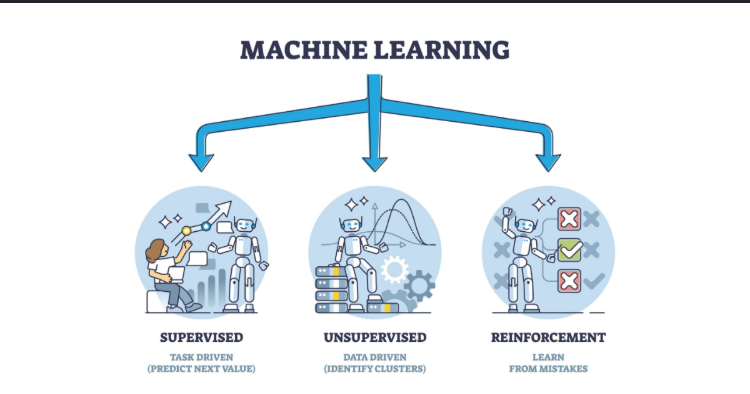
- Continuous learning and iteration of AI models
- Integration with existing tools and workflows
- Ongoing monitoring and improvement post-launch
- Clear ownership across teams
If these elements are missing, it may be worth strengthening your foundation before moving forward.
Cost vs Value: When Investment Justifies the Outcome
One of the most critical considerations is the cost to build AI personal assistant capabilities relative to the value it delivers. This is where many projects either succeed strategically or fail financially.
Understanding the Cost Components
The cost is influenced by several factors, including complexity, features, integrations, and the level of intelligence required. A basic assistant with predefined workflows is significantly less expensive than one capable of contextual understanding and predictive insights.
You also need to account for ongoing costs such as maintenance, model updates, and infrastructure. AI is not a one-time investment, it requires continuous refinement.
Measuring ROI Beyond Revenue
While revenue generation is important, the value of an AI assistant often extends beyond direct monetization. Consider metrics like:
- Reduction in operational costs through automation
- Improved customer satisfaction and retention
- Increased productivity for internal teams
- Faster decision-making through data insights
For example, an AI assistant that reduces customer support workload by 40% can deliver substantial savings, even if it doesn’t directly generate revenue.
When the Investment Makes Sense
Building an AI assistant is justified when the long-term value clearly outweighs the upfront and ongoing costs. This typically happens when the assistant becomes central to the user experience or operational efficiency.
Competitive Advantage: Turning AI Into a Strategic Asset
In crowded markets, differentiation is everything. An AI personal assistant can serve as a powerful competitive advantage, but only if it’s executed thoughtfully.
Moving Beyond Features to Experiences
Many companies treat AI as a feature rather than a core experience. The real opportunity lies in embedding intelligence into the entire user journey. Instead of adding an assistant as an afterthought, design your product around it.
For instance, a travel app could use an assistant to plan itineraries, adjust bookings, and provide real-time recommendations. In this scenario, the assistant becomes the primary interface, not just an add-on.
Building User Trust
Trust is a critical factor in adoption. Users need to feel confident that the assistant understands their needs and respects their data. Transparency, accuracy, and reliability play a key role in building this trust.
Scaling With Your Business
A well-designed AI assistant can scale alongside your business. As you gather more data and refine your models, the assistant becomes smarter and more valuable. This creates a compounding effect, where early investment leads to long-term gains.
Conclusion: Building With Purpose, Not Just Possibility
The decision to build an AI personal assistant app should never be driven by hype alone. It should be grounded in clear use cases, strong business readiness, and a well-defined value proposition.
When done right, an AI assistant can transform how users interact with your product, streamline operations, and create a lasting competitive edge. But when done without strategy, it risks becoming an expensive experiment with limited impact.
The key is to approach it with intention. Identify real problems, validate demand, and ensure your organization is ready to support the journey. If these elements align, building an AI assistant isn’t just a smart move, it’s a strategic one that can shape the future of your business.







0 Comments