
What's Accessibility in Grocery Delivery Apps? A Solution-Focused Guide
In an increasingly digital world, grocery delivery apps have become essential for millions of people. However, for individuals with disabilities—whether visual, hearing, mobility, cognitive, or motor impairments—many of these applications remain frustratingly difficult to navigate. Accessibility in grocery delivery apps isn't just a nice-to-have feature; it's a fundamental requirement that ensures equitable access to essential services. This article explores what accessibility means in this context and highlights practical solutions that developers and businesses can implement to create truly inclusive grocery delivery platforms.
Understanding Accessibility in Grocery Delivery Apps
Accessibility refers to the design of digital products and services that are usable by everyone, regardless of their abilities or disabilities. In the context of grocery delivery apps, accessibility encompasses multiple dimensions: visual accessibility for users who are blind or have low vision, audio accessibility for deaf or hard-of-hearing users, mobility accessibility for those with limited dexterity, and cognitive accessibility for users with intellectual or developmental disabilities.
A grocery delivery app serves a critical function in the daily lives of its users. For elderly individuals with mobility limitations, parents managing multiple responsibilities, or people with disabilities, these apps provide independence and convenience. When an app is inaccessible, it effectively excludes these users from an essential service, creating a digital divide that has real-world consequences. A best grocery delivery app solution should prioritize accessibility, intuitive navigation, voice assistance, readable interfaces, and seamless ordering experiences to ensure every customer can access essential groceries independently.
Key Accessibility Challenges
Currently, many grocery delivery apps fall short in several important areas. First, screen reader compatibility remains problematic for users who are blind or have severe visual impairments. If an app isn't properly coded with semantic HTML and ARIA labels, screen readers can't convey crucial information like product names, prices, or navigation elements. Users may not know which button they're about to tap or whether they've successfully added an item to their cart.
Second, color contrast issues make apps difficult for users with color blindness or low vision. When text and background colors don't provide sufficient contrast, reading becomes a strain or becomes impossible. Product descriptions and interface elements become invisible to many users.
Third, navigation complexity poses significant challenges. Menus that require precise finger movements, time-sensitive interactions, or complex multi-step processes exclude users with motor disabilities or dexterity issues. Someone with tremors or limited hand mobility may struggle to tap small buttons or perform swipe gestures accurately.
Fourth, cognitive accessibility is often overlooked. Users with dyslexia, ADHD, or intellectual disabilities benefit from clear language, logical layout, consistent design patterns, and minimal distraction. Cluttered interfaces with poor information architecture make shopping cognitively taxing.
Essential Accessibility Solutions
Screen Reader and Keyboard Navigation
The foundation of accessibility is ensuring that all functionality is accessible via keyboard and compatible with screen readers. Every interactive element—buttons, links, form fields, and dropdowns—should have proper labels and be navigable using tab keys. Developers should use semantic HTML elements and ARIA attributes to ensure screen readers can properly identify and describe interface components.
For grocery delivery apps specifically, this means every product should have descriptive alt text, prices should be clearly labeled, and shopping cart operations should provide clear feedback. A user navigating by keyboard should never encounter "keyboard traps" where they become stuck in a particular section of the interface.
Color Contrast and Visual Design
Implementing WCAG (Web Content Accessibility Guidelines) AA standards or higher ensures sufficient color contrast. This typically means a minimum contrast ratio of 4.5:1 for normal text. Beyond contrast, apps should avoid relying solely on color to convey information. For example, if a "sale" item is indicated only by red text, users who can't perceive red will miss this information. Using both color and icons, or color and text labels, provides redundancy that benefits all users.
Large, adjustable text sizes are equally important. Users should be able to increase font sizes within the app without breaking the layout or losing functionality. Responsive design ensures that text expansion doesn't cause horizontal scrolling or element overlap.
Simplified Navigation and Intuitive Design
Grocery delivery apps benefit from straightforward navigation structures. Rather than hiding essential functions behind multiple menu levels, crucial features—search, cart, account, help—should be easily accessible. Filtering and sorting options should be clear and efficient. Users should be able to browse by category, dietary preferences, or allergens with minimal clicks.
For users with cognitive disabilities, consistency is crucial. Navigation patterns should remain consistent throughout the app. When users tap a category label in one place, it should behave the same way everywhere. Repetitive design patterns reduce cognitive load and make the app more intuitive.
Voice and Hands-Free Control
Integration with voice assistants like Siri, Google Assistant, or Alexa enables users with mobility impairments to place grocery orders hands-free. Voice commands like "Add milk to my cart" or "Proceed to checkout" provide an alternative interaction method. Voice feedback confirms actions and guides users through the ordering process.
Clear Information Architecture
Organizing products logically—by category, brand, nutritional information, or dietary compatibility—helps all users find items efficiently. Clear search functionality with autocomplete suggestions and filters for dietary restrictions (vegan, gluten-free, kosher, etc.) benefits everyone, especially those with specific dietary needs.
Product pages should provide comprehensive information: clear product names, detailed descriptions, prices, expiration dates, ingredient lists, allergen warnings, and nutritional information. This information should be presented in accessible formats, not just as images or PDFs that screen readers can't read.
Testing with Real Users
The most effective accessibility solution involves testing with actual users with disabilities. Many companies employ accessibility consultants and user testing groups that include people with various disabilities. Real-world feedback reveals issues that automated testing misses. Users with disabilities are experts in what works and what doesn't for their needs.
Business Benefits of Accessibility
Beyond the ethical imperative, accessibility provides genuine business advantages. The disability market represents significant economic power—approximately one billion people worldwide have disabilities. Making apps accessible expands the potential customer base and increases market reach.
Additionally, many accessibility features benefit all users. Captions help people in noisy environments. Large text benefits not just the low-vision community but also older users and anyone under poor lighting conditions. Voice control serves not just people with disabilities but busy users multitasking. Keyboard navigation helps power users and people whose touchscreens malfunction.
Accessibility also reduces legal risk. Many jurisdictions have enacted laws requiring digital accessibility. The Americans with Disabilities Act (ADA), the EU's Web Accessibility Directive, and similar regulations worldwide increasingly apply to commercial websites and apps. Proactive accessibility implementation avoids costly litigation.
Looking Forward
The future of accessible grocery delivery apps lies in continuous improvement and prioritization. Developers should integrate accessibility into the design process from the beginning, rather than treating it as an afterthought. Regular audits using both automated tools and human testing should identify areas for improvement.
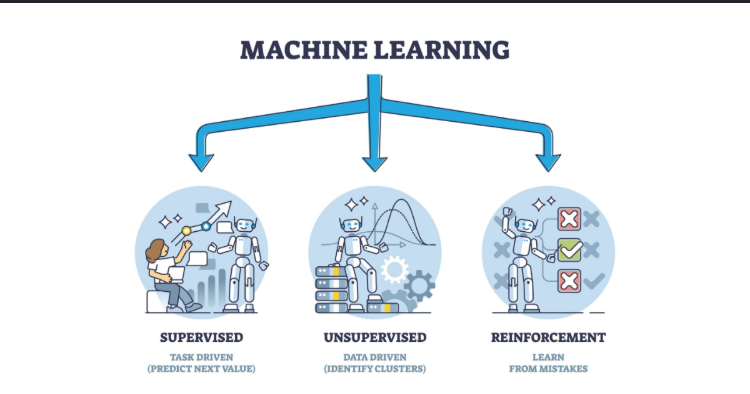
Emerging technologies like AI and machine learning present new opportunities. Personalized shopping experiences powered by AI can help users with cognitive disabilities navigate more efficiently. Computer vision could enable visual search for users with literacy challenges.
Conclusion
Accessibility in grocery delivery apps is not a luxury—it's a necessity. By implementing screen reader compatibility, ensuring color contrast, simplifying navigation, supporting voice control, and testing with real users, companies can create platforms that serve everyone. These solutions make essential services truly available to all members of society. As digital commerce continues to grow, building accessibility into grocery delivery apps from the start isn't just the right thing to do; it's smart business. The most innovative companies will be those that recognize that accessibility isn't a constraint but an opportunity to serve more customers, reduce risk, and create genuinely inclusive technology.







0 Comments