
What is Headless E-commerce? A Complete Guide for 2026
Consumers today shop everywhere. They browse on mobile, buy through social media, and check out on smart speakers. Traditional e-commerce platforms can't always keep up with this reality.
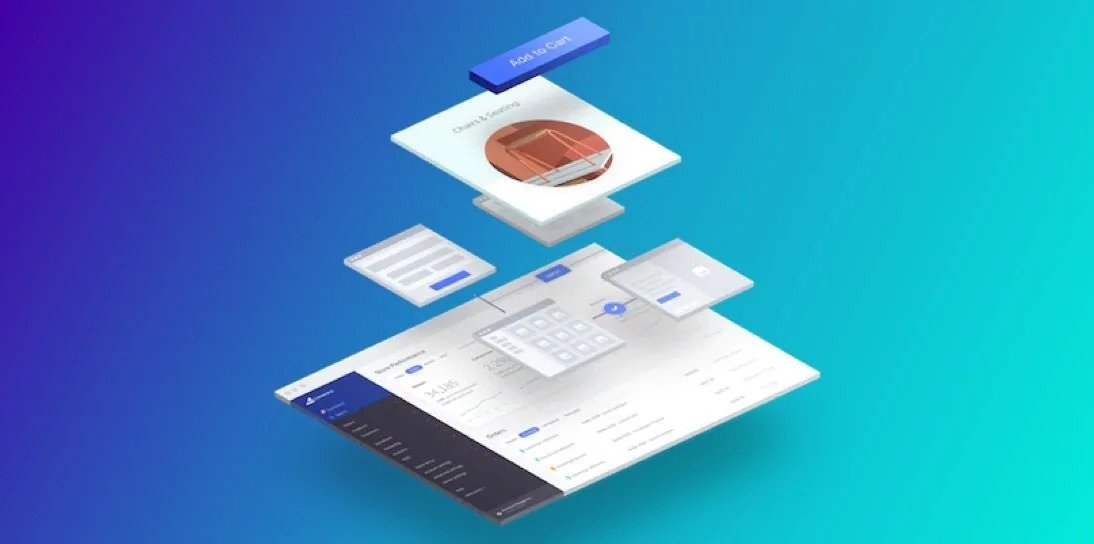
Headless ecommerce splits your online store into two parts: the frontend (what customers see) and the backend (where everything runs). These parts connect through APIs but work independently. This setup lets you change your customer-facing features without touching your backend systems.
How Does Headless Ecommerce Work?
Headless ecommerce connects separate systems through APIs. When someone shops on your site, the frontend talks to the backend through these APIs. The backend checks inventory, processes payments, and handles orders. Then it sends the information back to display on the frontend.
This decoupled structure means your teams can work on different parts at the same time. Frontend developers build what customers see using tools like React. Backend engineers keep your commerce engine running smoothly.
The Role of APIs in Headless E-commerce
APIs are the glue in headless commerce architecture. They move data between systems instantly without you doing anything manually.
API-first ecommerce gives you:
- Real-time updates: Product details, prices, and stock levels sync everywhere automatically
- Easy connections: Link up any CMS, payment processor, or marketing tool you want
- Multiple channels: Put your store on websites, apps, voice devices, wherever you need
- Tech flexibility: Your developers can use the languages they already know
The API layer does its job behind the scenes. Customers just see a fast, smooth shopping experience.
Frontend and Backend Separation Explained
The presentation layer is everything visible to customers. Product pages, menus, content, checkout buttons. This is where your brand looks and feels the way you want.
Backend systems do the hard work: business logic, tracking inventory, shipping orders, storing customer data safely. This commerce functionality runs on its own, which makes everything more stable.
When these parts are separate, good things happen. Your marketing team can launch sales right away. Designers can try new page layouts without waiting. IT can upgrade servers without breaking the website.
Benefits of Headless E-commerce vs Traditional Platforms
Traditional platforms worked fine before, but stores today need more room to move. Headless ecommerce brings real benefits you can measure.
Companies using headless see 30% more revenue and 63% better conversion rates. One clothing brand grew sales by 128% after switching to headless platforms.
Flexibility and Customization in Headless Commerce
Headless architecture takes away the limits of pre-made templates. You get full control over how your store looks and works.
Want to add virtual try-on features? Do it. Need smart product suggestions based on AI? Simple. Thinking about selling on social media? Go ahead.
You can:
- Build a unique look that fits your brand exactly
- Add personalized features that get people more engaged
- Create new shopping experiences on AR apps or voice devices
- Test different versions for different customer groups
Your omnichannel experiences look consistent, but work best for each specific channel.
Faster Time to Market with Headless Architecture
Speed wins in online selling. Headless commerce makes everything faster.
Old platforms make you do things in order. Fix the backend first, then update the frontend, then test everything. Weeks go by, and chances slip away.
Agile development with headless is different:
- Both teams work at the same time
- Push frontend changes in minutes instead of weeks
- Jump on trends while people still care
- Start campaigns and releases super fast
Fashion stores now launch in days, not weeks. They catch trends that their slower competitors miss completely.
Scalability and Performance Improvements
Headless commerce platforms grow with you because each part scales separately. Your frontend stays fast while your backend handles tons of orders.
Real numbers from stores using headless:
- Sites run 85% faster overall
- Zero downtime during Black Friday rushes
- Mobile pages load twice as fast with more sales
- System reliability keeps up as you expand
Your customers get quick shopping no matter what device they use. That beats your competition.
Headless Ecommerce vs. Traditional Ecommerce: Key Differences
Knowing what makes them different helps you pick the right setup for your store.
Traditional E-commerce Platforms Explained
Traditional platforms keep things simple with integrated solutions. You get themes, checkout, inventory tools, and reports all together. This monolithic architecture lets you start selling fast with templates and simple editors.
Coupled systems are good for:
- Small stores that need to launch quickly
- Teams without many tech people or big budgets
- Basic product lists without complicated features
- Shops that want the platform company to handle updates
The downside is less flexibility. Want something custom? You need permission. Want to sell somewhere new? You need another system. Want to try something innovative? Wait for the next platform update.
When to Choose Headless Over Traditional Commerce
Platform selection depends on what your business needs and where you want to go.
Headless ecommerce makes sense if you're:
- Building content-heavy sites with WordPress or similar tools
- Selling internationally with different stores for different countries
- Running stores on multiple channels at once
- Making custom B2B systems with special approval processes
- Adding AI recommendations, voice ordering, or augmented reality
Your technical resources matter a lot. Headless needs good developers or an agency to help. Stores making over $50 million online usually find it worth the cost.
Common Challenges and Considerations for Headless E-commerce
Strong solutions need good planning. Here's what to think about before you start.
Implementation Costs and Resource Requirements
Headless ecommerce costs more upfront than traditional options.
Your implementation budget usually includes:
- Building a custom frontend
- Connecting APIs across all your tools
- Paying developer resources for updates and new stuff
- Covering hosting and server costs
Smart companies look past the starting price. Total cost of ownership can actually be lower over time. You pay less in licensing fees, launch things faster, and spend less on maintenance.
Try starting with just one area, like your checkout page. Then add more later. This cuts risk and gives your team time to learn.
Technical Complexity and Maintenance
Headless architecture is more complicated than all-in-one systems.
You're managing separate parts that need to work together. Teams have to coordinate. Security matters at every connection point. Updates need developer resources for system maintenance.
But there's a good side. You control everything. Pick the exact tools you want. Try new things without asking permission. Grow different parts at different speeds.
You need solid technical expertise on your team or a reliable agency partner. Lots of businesses split it up: internal teams plan the strategy, outside experts build the technical stuff.
Is Headless E-commerce Right for Your Business?
Headless ecommerce works great for businesses ready to move fast and try new things. Think about these questions: Does your current platform hold you back? Can't get your stores working well together? Need to launch features faster?
Successful headless stores have a few things in common. They want to grow. They can invest money up front. They have tech people who know what they're doing. Customer experience matters more to them than easy setup.
Look honestly at what you want and what you can handle. Maybe start small with one piece. Find vendors who understand your industry. Pick headless, traditional, or a mix of both. Whatever helps you plan smart and give customers great experiences.
Visit our website for more information.







0 Comments