
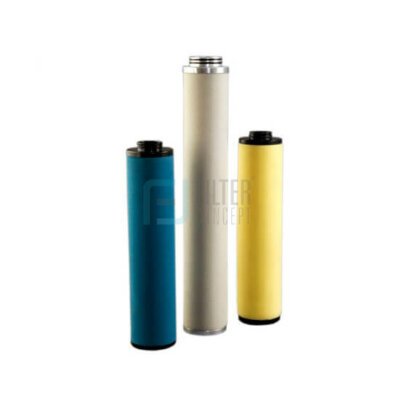
Top Compressed Air Filter Options for Efficient Systems
Industrial operations in India use pneumatic machinery to keep production high. A good compressed air filter is key. It protects your tools and products from moisture, oil, and solids.
Choosing the right filter means looking at flow, pressure, and maintenance costs. Make sure it meets ISO 8573-1 standards. This global standard sets purity levels for particles, water, and oil.
Knowing these needs helps your system work better and saves energy. This guide will help you pick the best filter and install it right for local manufacturing needs.
Assess Air Quality Requirements Before Choosing a Compressed Air Filter
Getting the best out of your pneumatic system starts with knowing what air quality you need. It's important to figure out the purity levels your industrial application requires. If you don't, you might damage your equipment or lower the quality of your products.
Match Filter Selection to Industrial Air Quality Classes
Identify Oil, Water, Dust, and Microbial Contaminants
The ISO 8573-1 standard helps classify air purity. It breaks down contaminants into solid particles, water, and oil. Knowing how much of each is in your system lets you pick the right filters.
Separate General-Purpose, Process, and Breathing-Air Requirements
Each application has its own air cleanliness needs. Tools for general use might just need to remove particles. But, food and pharmaceuticals need air that's free from oil and microbes. Breathing air must be the cleanest, with strict monitoring for safety.
Calculate Flow Rate, Pressure, and Operating Conditions
Check Compressor Capacity, Peak Demand, and Pipe Size
When looking at different air filters, think about your system's physical needs. Your filter must handle the compressor's flow rate without dropping pressure too much. Make sure it can handle the system's peak air needs.
Account for Indian Climate, Humidity, and Ambient Dust
India's climate adds special challenges, like high temperatures and humidity. During the monsoon, moisture levels rise, putting more strain on your condensate systems. Also, the dust in industrial areas means you need strong pre-filters to avoid clogging.
- Check the pressure dew point to stop water from forming.
- Make sure pipe sizes match the filter's ports.
- Watch the temperature to keep the filter housing safe.
Compare Compressed Air Filter Types and Their Working Principles
Learning about compressed air filters can boost your facility's performance. Each type has a special job in removing different contaminants. Knowing how they work helps create a more reliable and efficient system.
Use Particulate and General-Purpose Filters for Solid Contaminants
Understand Mechanical Filtration and Pressure-Drop Behavior
Particulate filters catch dust, rust, and pipe scale through mechanical separation. As air passes through, solid particles get trapped. This creates a slight resistance, or pressure drop, which grows as the filter gets fuller.
Choose Suitable Micron Ratings for Workshop and Plant Air
Choosing the right micron rating is key. A 5-micron filter works well for most workshop tools. But, for sensitive plant equipment, a 1-micron rating is better. Always watch the pressure differential to keep the filter working well.
Choose Coalescing Filters for Oil and Water Aerosols
Understand How Coalescing Media Capture Fine Liquid Particles
Coalescing filters trap tiny oil and water droplets. These droplets merge with the fibers and fall due to gravity. This way, they get removed from the air stream.
Prevent Drainage Problems and Excessive Pressure Loss
Drainage is crucial for coalescing filters. If the drain fails, liquid can get back into the air. Regular maintenance keeps the drain working and prevents pressure loss.
Add Activated Carbon Filters for Oil steam and Odor Control
Recognize When Carbon Adsorption Is Necessary
Activated carbon filters are vital for oil-free air, like in food or medical settings. They adsorb gaseous oil steams and odors that mechanical filters can't catch. The carbon's large surface area helps bond with these molecules.
Pair Carbon Filters With Upstream Coalescing Protection
Carbon filters need protection from liquid oil. A high-efficiency coalescing filter must be installed first. This prevents liquid oil from ruining the carbon.
Apply Refrigerated or Desiccant Dryers When Moisture Control Is Critical
Compare Refrigerated and Desiccant Drying Performance
Refrigerated dryers cool the air to condense water steam, which is then drained. This is cost-effective for most industrial needs. Desiccant dryers use chemicals to achieve lower dew points, essential for applications where freezing is a risk.
Build a Multi-Stage Filtration Train for Sensitive Equipment
For the best protection, use a multi-stage filtration system. Start with a particulate filter, then a coalescing filter, and end with a dryer or carbon tower. This ensures top-quality air for your equipment.
Filter Type | Primary Target | Working Mechanism | Maintenance Need |
Particulate | Solid Dust/Rust | Mechanical Sieving | Replace when pressure drops |
Coalescing | Oil/Water Aerosols | Droplet Merging | Drain and element change |
Activated Carbon | Oil steams/Odors | Adsorption | Regular media replacement |
Desiccant Dryer | Water steam | Chemical Adsorption | Desiccant bed regeneration |
Install, Maintain, and Verify an Efficient Filtration System
Proper installation is key for your compressed air system to work well. Make sure filters are installed with the flow direction right. Use isolation valves for safe maintenance without stopping production.
Automatic drains help keep the filter bowl dry. This prevents liquids from causing problems. Watch the differential-pressure gauges to see how the filters are doing.
When the gauge shows a high pressure drop, it means the filters need to be changed. This helps your compressor run more efficiently and saves energy. Replace the filters as soon as the gauge hits the limit.
Follow the guidelines from brands like Ingersoll Rand and Atlas Copco for replacing filters. This keeps the air quality high. Also, check for leaks often to avoid wasting energy and losing pressure.
Do regular air-quality checks to make sure you meet ISO 8573-1 standards. Regular checks help keep your system running smoothly. If your system doesn't meet quality standards, contact local service technicians.









0 Comments