

The Ultimate Checklist Before Calling Plumbing Repair Services
A plumbing problem rarely happens at a convenient time. One minute everything is working normally, and the next you may be dealing with a leaking pipe, clogged drain, running toilet, low water pressure, or water collecting where it should not be. When that happens, the first reaction is often to call a plumber immediately. That makes sense, especially when water damage is getting worse by the minute.
However, taking a few minutes to gather the right information before making the call can make the repair much easier. You can help the technician understand the situation, prepare the right tools, and give you a clearer idea of what to expect. Whether the issue is small or urgent, this simple checklist can save time and prevent unnecessary confusion. Experience top-notch plumbing repair services with Insta Service. Our expert plumbers are here to fix any plumbing issue quickly and efficiently.
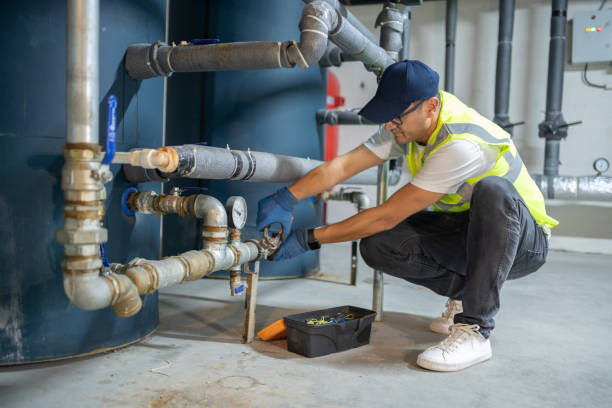
1. Identify the Problem Clearly
Before picking up the phone, take a quick look around and identify what is actually happening. Is water dripping from a pipe? Is a sink draining slowly? Is the toilet overflowing? Is there no hot water?
You do not need to know the technical name of the problem. Simply describing what you see is enough. For example, instead of saying, “The plumbing is broken,” explain that “water is leaking underneath the kitchen sink whenever the faucet runs.”
A clear description gives the plumber a useful starting point.
2. Check Where the Water Is Coming From
Try to locate the source of the leak or blockage if it is safe to do so. Sometimes the visible water is not coming from the place where the actual problem began.
Look around:
- Under sinks
- Behind toilets
- Around water heaters
- Near exposed pipes
- Around washing machines
- Along ceilings or walls showing damp spots
Do not remove pipes or attempt complicated repairs just to find the source. Your goal is simply to provide useful information.
3. Shut Off the Water When Necessary
If a pipe is leaking heavily or a fixture is overflowing, stopping the water supply may prevent additional damage. Locate the appropriate shut-off valve and turn it off if you know which valve controls the affected fixture.
For a serious leak, you may need to shut off the home's main water supply.
Do not force a valve that is stuck. If you cannot safely stop the flow, tell the plumber exactly what is happening when you call.
4. Take a Few Photos or Videos
A picture can sometimes explain a plumbing issue better than several minutes of conversation. Take clear photos of the affected area before cleaning everything up.
For example, you could photograph:
- The leaking connection
- Standing water
- A damaged pipe
- A clogged drain
- Water stains
- The model or label of a visible fixture
If the problem is intermittent, a short video showing what happens can also be helpful.
5. Note When the Problem Started
Think about when you first noticed the issue. Did it begin today, or has it been developing for several weeks?
Also consider whether anything changed before the problem appeared. Maybe a new appliance was installed, the sink started making unusual noises, or the water pressure suddenly dropped.
This timeline can provide valuable clues and help the technician narrow down possible causes.
6. Know Which Fixtures Are Affected
Check whether the problem is limited to one fixture or happening throughout the house.
For instance, a slow kitchen sink may be an isolated drain problem. However, if several sinks, showers, and toilets are draining slowly at the same time, the issue could be farther down the plumbing system.
Mention every affected fixture when speaking with the service provider. Small details can make a big difference during diagnosis.
7. Clear Access to the Work Area
Before the technician arrives, move boxes, cleaning supplies, furniture, or other objects blocking access to the plumbing area.
This is especially useful when the plumber needs to reach a pipe behind a cabinet, water heater, washing machine, or bathroom fixture.
If another household task requires moving or assembling furniture after the repair, you may also need a separate service such as a furniture assembly handyman. Keeping different jobs organized can help prevent delays.
8. Check Your Previous Plumbing Work
If you have records of previous repairs, installations, or replacements, keep them nearby. Information about an older water heater, replaced pipe, new faucet, or previous drain problem can help the technician understand the property's plumbing history.
If you recently had renovation work completed, mention that too. Plumbing issues sometimes appear after changes to kitchens, bathrooms, flooring, or appliances.
9. Prepare Important Questions
Do not hesitate to ask questions before approving work. A professional conversation should leave you feeling informed rather than rushed.
Useful questions include:
- What do you think is causing the problem?
- Is the repair urgent?
- What will the repair involve?
- Are replacement parts required?
- Is there a warranty on the work?
- Will additional damage need to be inspected?
- What should I do if the problem returns?
You do not need to become a plumbing expert. You simply need enough information to make a comfortable decision.
10. Ask About Pricing Before Work Begins
Pricing can vary depending on the type of repair, parts required, labor, emergency timing, and accessibility of the problem.
Ask whether the company charges a service-call fee, diagnostic fee, hourly labor, or a flat rate. If the technician identifies additional work, ask for an explanation and updated estimate before giving approval.
Clear communication about costs can prevent unpleasant surprises later.
11. Choose a Reliable Service Provider
Not every plumbing company offers the same level of service. Before making your choice, look for signs of a professional business.
Check whether the company:
- Clearly explains its services
- Provides contact information
- Has genuine customer reviews
- Communicates professionally
- Gives reasonable estimates
- Explains the repair instead of using confusing jargon
- Stands behind its workmanship
A local service provider such as Insta Service can be considered when you want a convenient option for household repair needs. The important thing is to choose a provider that communicates clearly and treats your home with care.
12. Know When It Is an Emergency
Some plumbing problems should not wait until the next convenient appointment. A major burst pipe, uncontrolled water leak, sewage backup, or rapidly increasing water damage can create serious problems if ignored.
If water is reaching electrical outlets, appliances, or other potentially dangerous areas, keep away from the affected location and seek appropriate professional help.
For less urgent issues, such as a mildly slow drain or dripping faucet, you may have more flexibility when scheduling an appointment.
13. Avoid Making the Problem Worse
It can be tempting to experiment with quick fixes while waiting for the plumber. Be careful with aggressive drain chemicals, excessive force, or dismantling fixtures without knowing what you are doing.
A temporary solution that seems helpful can sometimes damage pipes or make the eventual repair more complicated.
When in doubt, document the problem, stop the water if necessary, and wait for professional guidance.
14. Make a Simple Home Repair List
If a technician is already visiting your property, take a quick look around for other minor plumbing concerns. You might notice a dripping faucet, loose connection, slow drain, or toilet that occasionally runs.
That does not mean everything needs to be repaired immediately. Simply mention the additional concerns and ask whether they should be addressed now or monitored.
Bundling appropriate repairs can sometimes save another service visit.
Why Preparation Makes Plumbing Repairs Easier
Good preparation does not mean diagnosing the plumbing problem yourself. It simply gives the technician better information.
When you know where the issue is, when it started, what fixtures are affected, and whether the problem is getting worse, the service call can begin with useful facts instead of guesswork.
That can make communication easier, improve the diagnostic process, and help you understand the recommended repair.
For homeowners, Insta Service and other professional home-service providers can be valuable when plumbing problems require experienced attention. The key is to provide accurate information and ask questions before work begins.
Final Checklist
Before calling a plumber, quickly review these points:
- Identify the visible problem
- Locate the affected area
- Shut off water if necessary and safe
- Take photos or videos
- Note when the issue started
- Check other fixtures
- Clear access to the work area
- Gather previous repair information
- Prepare questions
- Ask about pricing
- Verify the service provider
- Explain whether the problem is urgent
- Avoid risky DIY repairs
A few minutes of preparation can turn a stressful plumbing situation into a much more organized service call. You may not be able to prevent every plumbing emergency, but you can be better prepared to handle one.
Frequently Asked Questions
1. Should I call a plumber for a small leak?
Yes, especially if the leak continues, returns repeatedly, or is coming from an inaccessible pipe. Small leaks can eventually cause water damage, mold growth, or deterioration of surrounding materials.
2. What information should I give the plumber?
Explain what is happening, where you see the problem, when it started, which fixtures are affected, and whether anything recently changed in the home. Photos can also be useful.
3. Should I turn off the main water supply?
If there is a significant uncontrolled leak and you can safely access the main shut-off valve, turning off the water may help limit damage. Do not force a valve that you cannot operate safely.
4. How can I prepare for a plumbing appointment?
Clear access to the affected area, move personal belongings away from the workspace, keep previous repair information available, and prepare questions about the repair and estimated cost.
5. Are all plumbing problems emergencies?
No. A burst pipe or sewage backup may require immediate attention, while a minor dripping faucet or slow drain may be less urgent. The severity depends on the situation and potential for damage.
6. Can I fix a plumbing problem myself?
Some simple tasks may be manageable for homeowners, but complicated leaks, hidden pipe problems, sewage issues, and major water damage are better handled by qualified professionals. Avoid repairs that could create additional damage.








0 Comments