
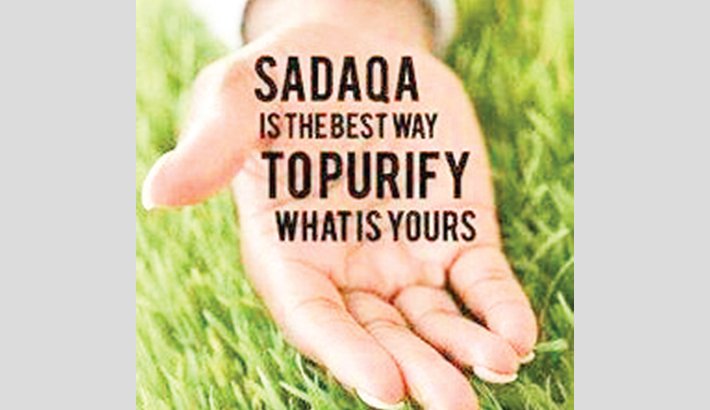
The Beauty of Sadaqah: Strengthening Faith Through Generosity
Outline
H1: The Beauty of Sadaqah: Strengthening Faith Through Generosity
Introduction
Meaning of sadaqah
Importance in Islam
Difference between sadaqah and Zakat
Why generosity strengthens faith
The Meaning and Spiritual Essence of Sadaqah
Definition and Linguistic Roots
Sadaqah in the Quran and Hadith
The Connection Between Sadaqah and Iman (Faith)
Sadaqah vs Zakat: Understanding the Difference
What Is Zakat?
Key Differences Between Sadaqah and Zakat
When and How to Give Each
Types of Sadaqah
Financial Sadaqah
Sadaqah Jariyah (Ongoing Charity)
Non-Monetary Sadaqah
How Sadaqah Strengthens Faith
Purification of the Heart
Developing Gratitude
Trusting Allah’s Promise
The Social Impact of Sadaqah
Supporting the Poor and Needy
Building Stronger Communities
Reducing Inequality
Practical Ways to Give Sadaqah Daily
Small Acts, Big Rewards
Digital Age Giving
Teaching Children Generosity
Table 1: Quick Comparison Between Sadaqah and Zakat
Table 2: Practical Examples of Daily Sadaqah
Common Misconceptions About Sadaqah
Conclusion
FAQs
The Beauty of Sadaqah: Strengthening Faith Through Generosity
Introduction
What if I told you that a simple smile could count as charity? That helping someone carry their groceries might weigh heavily on the scale of good deeds? That’s the beauty of sadaqah.
In Islam, sadaqah is more than giving money. It’s a mindset. It’s a lifestyle. It’s a reflection of faith in action.
While many people are familiar with Zakat, the obligatory charity, sadaqah is voluntary. It flows from the heart. It’s spontaneous, sincere, and deeply personal. And here’s the powerful part — every act of generosity strengthens your connection with Allah.
Let’s explore how.
The Meaning and Spiritual Essence of Sadaqah
Definition and Linguistic Roots
The word sadaqah comes from the Arabic root “sidq,” which means sincerity or truthfulness. That alone tells us something profound. When you give sadaqah, you are proving the sincerity of your faith.
It’s like saying, “Ya Allah, I trust You more than I trust my wealth.”
And that shift? It changes everything.
Sadaqah in the Quran and Hadith
The Quran repeatedly encourages believers to give charity. Allah promises multiplied rewards for those who spend in His way.
The Prophet Muhammad (peace be upon him) said that charity does not decrease wealth. Think about that. In a world obsessed with accumulation, Islam teaches expansion through giving.
It sounds paradoxical. But spiritually? It’s liberating.
The Connection Between Sadaqah and Iman (Faith)
Faith isn’t just belief. It’s action.
When you give sadaqah:
You overcome greed.
You detach from materialism.
You prioritize the Hereafter.
Each act is like polishing the mirror of your heart.
Sadaqah vs Zakat: Understanding the Difference
Many people confuse sadaqah with Zakat. Let’s clear that up.
What Is Zakat?
Zakat is one of the five pillars of Islam. It’s obligatory. If your wealth reaches a certain threshold (nisab), you must give 2.5% annually.
It’s not optional.
Key Differences Between Sadaqah and Zakat
| Aspect | Sadaqah | Zakat |
|---|---|---|
| Obligation | Voluntary | Mandatory |
| Amount | Any amount | Fixed percentage (2.5%) |
| Recipients | Anyone in need | Specific categories |
| Timing | Anytime | Once yearly |
Zakat is like a structured system. Sadaqah is free-flowing generosity.
When and How to Give Each
Zakat ensures financial purification.
Sadaqah ensures spiritual elevation.
You don’t wait for wealth to give sadaqah. Even a date fruit counts.
Types of Sadaqah
Sadaqah isn’t limited to money. That’s the beauty of it.
Financial Sadaqah
This includes:
Donating money
Giving food
Supporting orphans
Helping disaster victims
Even small amounts matter. Remember, Allah looks at intention.
Sadaqah Jariyah (Ongoing Charity)
This is charity that keeps rewarding you even after death.
Examples:
Building a well
Funding education
Planting a tree
Donating Qurans
It’s like planting seeds in the garden of the Hereafter.
Non-Monetary Sadaqah
Did you know removing a harmful object from the road is sadaqah?
So is:
Smiling
Giving advice
Visiting the sick
Making dua for someone
Islam democratizes charity. Everyone can participate.
How Sadaqah Strengthens Faith
Purification of the Heart
Greed is subtle. It creeps in quietly.
Sadaqah uproots it.
When you give, you declare independence from wealth. You say, “My security comes from Allah.”
That mindset purifies the soul.
Developing Gratitude
Giving makes you aware of your blessings.
When you help someone who struggles for daily bread, you suddenly see your own life differently. Gratitude increases. Complaints decrease.
And gratitude strengthens iman.
Trusting Allah’s Promise
Allah promises replacement for what you give.
It may not always return as money. Sometimes it comes as:
Peace
Protection
Opportunities
Health
But it comes.
Faith grows when you witness that reality.
The Social Impact of Sadaqah
Supporting the Poor and Needy
Sadaqah directly alleviates suffering.
Food on the table. Medicine for the sick. Shelter for the homeless.
These aren’t abstract ideas. They’re real transformations.
Building Stronger Communities
Generosity builds trust. Trust builds unity.
When people care for each other, communities thrive. Crime reduces. Bonds strengthen.
Sadaqah isn’t just charity — it’s social glue.
Reducing Inequality
While Zakat provides structural balance, sadaqah fills the emotional gaps.
It ensures dignity, not just survival.
Table 1: Quick Comparison Between Sadaqah and Zakat
| Feature | Sadaqah | Zakat |
|---|---|---|
| Nature | Voluntary | Obligatory |
| Flexibility | Highly flexible | Strict rules |
| Reward | Multiplied greatly | Pillar of Islam |
| Frequency | Anytime | Annually |
Table 2: Practical Examples of Daily Sadaqah
| Action | Type of Sadaqah | Impact |
|---|---|---|
| Smiling at someone | Non-monetary | Spreads positivity |
| Donating food | Financial | Feeds the hungry |
| Teaching knowledge | Sadaqah Jariyah | Continuous reward |
| Helping a neighbor | Social | Strengthens community |
| Making dua | Spiritual | Brings blessings |
Common Misconceptions About Sadaqah
Some think:
“I’m not rich enough to give.”
“Small amounts don’t matter.”
All false.
Sadaqah is about sincerity, not size. A small coin given with pure intention outweighs large amounts given for show.
Conclusion
Sadaqah is more than charity. It’s a spiritual workout. A heart cleanser. A bridge between you and Allah.
While Zakat fulfills obligation, sadaqah expresses love.
It strengthens faith because it shifts focus from possession to purpose. From accumulation to contribution. From fear of loss to trust in divine abundance.
In a world obsessed with taking, sadaqah teaches us the beauty of giving.
And in giving, we grow.
FAQs
1. Can sadaqah replace Zakat?
No. Zakat is obligatory and must be paid separately. Sadaqah is voluntary.
2. Is smiling really considered sadaqah?
Yes. The Prophet (peace be upon him) said even a smile is charity.
3. What is the best type of sadaqah?
The best sadaqah is given sincerely and consistently. Sadaqah Jariyah carries long-term reward.
4. Can I give sadaqah on behalf of someone else?
Yes, you can give sadaqah on behalf of deceased loved ones or family members.
5. Does sadaqah increase wealth?
Spiritually and often materially, yes. Allah promises replacement and multiplied rewards.







0 Comments