
Super App vs. Single App: Which Strategy Delivers Better Business Results?
Businesses building a digital presence eventually face a strategic fork: build one app that does a single job well, or build a broader platform that handles multiple services under one roof. This decision shapes everything from development cost to how customers interact with the brand for years afterward. This article breaks down both approaches and looks at which one actually delivers stronger business results, depending on the situation.
What Sets a Super App Apart from a Single App
A single app focuses on one core function. A food delivery app delivers food. A ride-hailing app arranges rides. Users open it, complete one task, and close it. This model works well for companies with a narrow, clearly defined service.
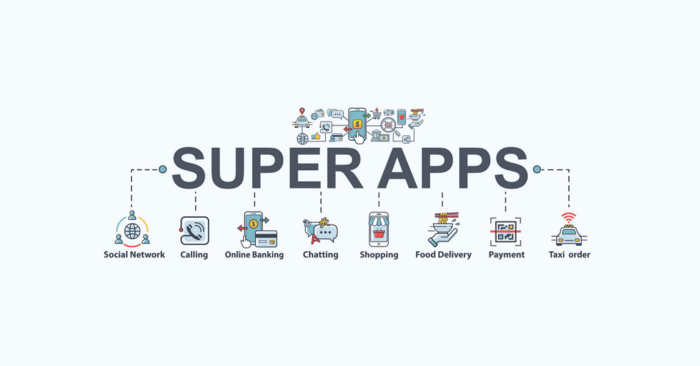
A super app takes a different approach entirely. Instead of one function, it bundles several services into a single platform: messaging, payments, shopping, ride booking, and more, all accessible from one login. Companies like WeChat and Grab built their entire business model around this idea, turning a single app into a daily-use platform customers rarely need to leave.
Many companies now pursue top superapp clone development to replicate this proven model faster, using an existing framework rather than designing an entirely new platform architecture from the ground up.
The Case for a Single App
Single apps still make sense for a large number of businesses, particularly those just starting out or serving one specific market need.
Faster Time to Market
A single app takes less time and budget to build than a platform juggling multiple services. Development stays focused, testing covers fewer variables, and the app can launch faster, letting a business start generating revenue and gathering user feedback sooner.
Lower Development and Maintenance Costs
Fewer features mean a smaller development team, simpler infrastructure, and lower ongoing maintenance costs. For startups working with limited funding, this lower barrier to entry makes a single app the more practical starting point.
Clear, Focused User Experience
Users know exactly what a single app does. There's no confusion about navigation or unnecessary features cluttering the interface. This clarity often leads to higher user satisfaction, since people aren't wading through unrelated services to find what they came for.
Easier to Pivot or Adjust
A smaller codebase and simpler feature set make it easier to change direction if the market shifts or user feedback points to a different approach. Super apps carry more complexity, which makes major pivots slower and more expensive.
The Case for a Super App
Despite the advantages of starting small, super apps offer real business benefits for companies with the resources and long-term vision to build one.
Higher Customer Retention
When a platform handles multiple parts of a user's daily routine- messaging, payments, shopping- that user has fewer reasons to leave. Every additional service adds another reason to stay logged in and engaged, which drives stronger retention than a single-purpose app can typically achieve on its own.
Multiple Revenue Streams from One Platform
A super app doesn't rely on one revenue source. A company can earn from transaction fees, subscription tiers, advertising, and partnerships with third-party service providers, all within the same platform. This diversification protects the business if one revenue stream slows down, since other services continue generating income.
Stronger Data and Cross-Selling Opportunities
Because users interact with multiple services in one place, a super app collects richer data on user behavior across categories. This data supports smarter cross-selling, like suggesting a ride booking to someone who just ordered food nearby, something a single-purpose app simply can't do on its own.
A Defensive Moat Against Competitors
Once a super app becomes part of a user's daily habits, competitors face a harder challenge pulling that user away. Switching from a platform that handles five services to five separate apps creates real friction, which gives super apps a natural advantage in customer loyalty over time.
Comparing the Business Costs
Cost differences between the two models go beyond the initial build.
Single App:
- Lower upfront development cost
- Smaller ongoing maintenance budget
- Fewer integrations and third-party services to manage
- Simpler compliance requirements, especially for payments or data handling
Super App:
- Higher upfront investment across multiple feature sets
- More complex backend architecture to support various services
- Increased compliance and regulatory work, particularly around payments and data privacy
- Larger ongoing team needed for maintenance, updates, and new feature rollouts
Businesses considering the super app route often work with a top super app clone development company to reduce some of this upfront cost, since a proven clone framework skips much of the architectural guesswork a fully custom build would require.
Which Strategy Fits Which Business
The right choice depends heavily on company size, available resources, and long-term goals, not just which model sounds more impressive.
When a Single App Makes More Sense
- The business is testing a new market or service for the first time.
- Budget and team size are limited.
- The core value proposition centers on one specific task done extremely well.
- Speed to launch matters more than long-term platform ambitions
When a Super App Makes More Sense
- The company already has a strong user base from an existing app or service
- Multiple related services naturally connect to the core offering
- Long-term customer retention and lifetime value matter more than fast, cheap launches
- The business has funding and technical resources to support a larger, more complex platform
How Businesses Transition from Single App to Super App
Many successful super apps didn't start that way. Grab began as a ride-hailing service before adding food delivery, payments, and more. This gradual approach lets a company validate demand with a single service, build a loyal user base, then expand into new categories once the foundation proves stable.
This path reduces risk significantly compared to launching a full super app from day one. Companies planning this kind of expansion often turn to best superapp clone development services partway through their growth, once the original single app has proven its value and the business wants to add new services without rebuilding the platform from scratch.
What to Consider Before Choosing a Development Partner
Regardless of which model a business chooses, the development partner matters as much as the strategy itself. A few things worth checking before starting a project:
- Relevant experience: Ask for examples of past work, whether that's single-app builds or superapp clone development projects specifically.
- Scalability planning: Even a single app should get built with future growth in mind, so adding features later doesn't require a complete rebuild.
- Security and compliance knowledge: This matters even more for super apps handling payments, personal data, and multiple integrated services.
- Post-launch support: Both models need ongoing updates, bug fixes, and feature improvements long after the initial launch.
Measuring Business Results from Each Approach
Business results look different depending on the model chosen, and success metrics should reflect that.
For a single app, watch metrics like user acquisition cost, task completion rate, and how quickly the app reaches profitability on its own. Since the app does one thing, success comes down to doing that one thing better than competitors.
For a super app, watch metrics like cross-service usage, how many services an average user engages with, and overall platform retention across all features combined. Success here depends less on any single service performing well and more on the platform as a whole keeping users engaged across multiple touchpoints.
Conculsion
Neither model wins in every situation. A single app offers a faster, cheaper path to market with a clear, focused user experience, ideal for startups or companies testing a new service. A super app offers stronger retention, multiple revenue streams, and a defensive advantage against competitors, but it requires more upfront investment and technical complexity to build and maintain properly.
Companies weighing this decision should look honestly at their current resources, user base, and long-term goals rather than choosing a super app simply because it sounds more ambitious. For those ready to build a broader platform, working with an experienced superapp clone development partner offers a faster, lower-risk path than building entirely from scratch, letting a business focus its resources on what actually drives results: a platform users keep coming back to.







0 Comments