
Social Stock Exchange Registration: Advancing Transparency and Impact in a Regulated Economy
India’s regulatory landscape is evolving rapidly, with growing emphasis on transparency, sustainability, and measurable social impact. Recent policy discussions around responsible finance, ESG compliance, and circular economy practices have brought new relevance to social stock exchange registration and scrap validation services. Together, these frameworks reflect how regulation is no longer limited to profit-driven activities but now actively supports social responsibility and resource accountability.
The Rise of Social Stock Exchanges in India
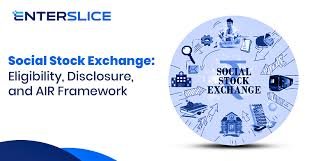
Social stock exchange registration represents a landmark shift in how social enterprises, non-profits, and impact-driven organizations access capital. A social stock exchange is a regulated platform that allows eligible entities to raise funds transparently while demonstrating measurable social outcomes. Regulators have introduced this framework to bridge the gap between investors seeking impact and organizations working in areas such as education, healthcare, environment, and livelihood development.
In recent developments, regulators have emphasized disclosure-based governance, outcome reporting, and standardized impact metrics. This makes social stock exchange registration not just a compliance requirement but a credibility marker. Organizations registered under this framework signal their commitment to transparency, accountability, and long-term social value creation.
Compliance and Governance Expectations
Obtaining social stock exchange registration requires entities to meet specific eligibility norms related to legal structure, governance standards, financial reporting, and social intent. These norms are aligned with broader regulatory trends focusing on investor protection and data-driven oversight. Registered entities must maintain regular disclosures, impact assessments, and audit trails to ensure that funds are used strictly for stated social objectives.
This heightened compliance environment reflects a broader regulatory message: social impact and financial discipline must go hand in hand. For organizations seeking long-term sustainability, registration offers structured access to funding while reinforcing internal governance practices.
Scrap Validation Services and the Circular Economy
Parallel to developments in social finance, regulators are also strengthening oversight in industrial and environmental compliance. Scrap validation services have become increasingly important as authorities focus on waste management, recycling transparency, and prevention of misuse in scrap transactions. These services involve verification, inspection, and certification of scrap materials to ensure compliance with regulatory and environmental standards.
With recent policy emphasis on circular economy models and responsible resource utilization, scrap validation services help organizations demonstrate compliance with environmental norms and prevent regulatory violations. They play a critical role in sectors dealing with metal scrap, industrial waste, and recycled materials, where improper documentation can lead to financial and legal risks.
Regulatory Synergy Between Impact and Compliance
While social stock exchange registration and scrap validation services operate in different domains, they share a common regulatory philosophy: accountability. Both frameworks rely on verification, disclosure, and third-party validation to ensure that stated objectives align with actual outcomes.
In recent regulatory commentary, authorities have highlighted the need for reliable data and independent verification across sectors. For social enterprises, this means credible impact reporting under social stock exchange registration. For industrial and manufacturing entities, it means validated processes through scrap validation services. Together, they strengthen trust among regulators, investors, and the public.
Strategic Benefits for Organizations
From a strategic perspective, social stock exchange registration allows eligible entities to diversify funding sources while enhancing reputational capital. Impact-focused investors increasingly prefer regulated platforms that offer standardized disclosures and measurable outcomes. Registration positions organizations to engage with such investors more effectively.
Similarly, scrap validation services reduce compliance risk and improve operational transparency. They help organizations maintain accurate records, avoid penalties, and align with sustainability goals. In an era where ESG performance influences investment decisions, validated scrap management practices can significantly enhance an organization’s compliance profile.
Responding to Latest Regulatory Trends
Recent enforcement actions and policy updates indicate stricter scrutiny of both social funding mechanisms and industrial compliance. Regulators are moving toward technology-enabled monitoring, periodic audits, and data integration across departments. Organizations that proactively adopt social stock exchange registration and scrap validation services are better prepared to respond to inspections, audits, and evolving compliance requirements.
These frameworks also support India’s broader economic objectives, including sustainable development, responsible industrial growth, and transparent capital markets. By aligning with them, organizations demonstrate regulatory maturity and future readiness.
Long-Term Impact on Trust and Sustainability
Trust has emerged as a critical currency in today’s regulated environment. Social stock exchange registration builds trust by ensuring that social claims are backed by verifiable data and structured reporting. Scrap validation services build trust by confirming that industrial processes comply with environmental and regulatory norms.
Over time, these mechanisms contribute to a more resilient ecosystem where capital allocation, resource usage, and social outcomes are monitored systematically. Organizations that integrate these compliance frameworks into their operations are better positioned for sustainable growth.
Conclusion
The convergence of impact finance and compliance-driven regulation marks a new phase in India’s economic development. Social stock exchange registration and scrap validation services are no longer niche requirements; they are central to building transparency, accountability, and long-term credibility. As regulatory expectations continue to evolve, organizations that embrace these frameworks will lead the way in responsible growth and stakeholder trust.
FAQs
What is social stock exchange registration?
Social stock exchange registration is a regulatory process that allows eligible social enterprises and non-profits to raise funds on a regulated platform while ensuring transparency and measurable social impact.
Who can apply for social stock exchange registration?
Entities with a defined social objective, proper governance structure, and compliance-ready reporting systems are eligible for social stock exchange registration.
What are scrap validation services?
Scrap validation services involve verification and certification of scrap materials to ensure compliance with regulatory, environmental, and documentation standards.
Why are scrap validation services important for compliance?
They help prevent misuse, ensure accurate reporting, and reduce regulatory and environmental risks.
How do these frameworks support sustainability?
Both social stock exchange registration and scrap validation services promote transparency, accountability, and responsible resource utilization, supporting long-term sustainable growth.


0 Comments