
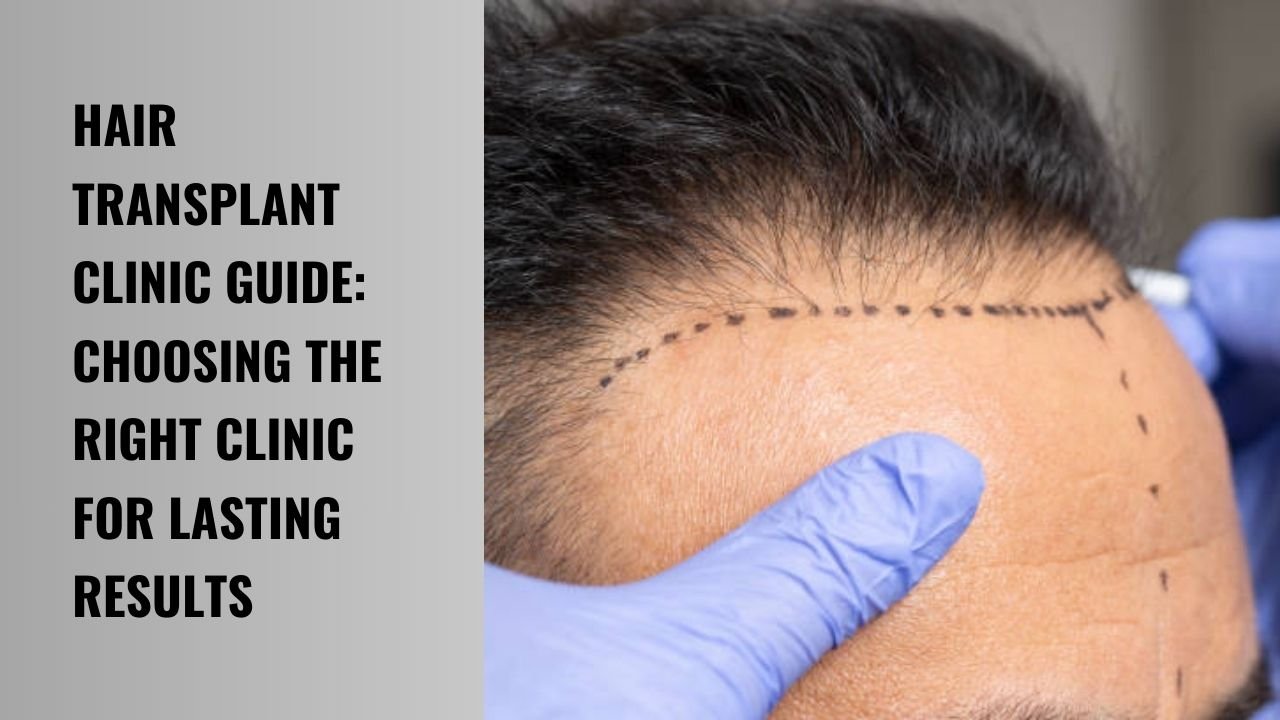
Hair Transplant Clinic Guide: Choosing the Right Clinic for Lasting Results
Hair loss is a journey many people never expect to take, yet millions search for reliable solutions each year. With constant exposure to social media transformations and eye-catching before-and-after photos, it’s easy to feel overwhelmed by promises that sound too good to be true. Choosing a hair transplant clinic isn’t just about restoring hair—it’s about trust, safety, and realistic expectations.
Before committing to any procedure, it’s important to understand how hair transplantation actually works, what separates quality clinics from average ones, and how informed decisions lead to long-term satisfaction. Instead of rushing into treatment based on price or marketing claims, patients benefit most from learning the fundamentals. This guide breaks down what truly matters when evaluating clinics, helping you approach the process with clarity, confidence, and a realistic mindset focused on lasting results rather than quick fixes.
Understanding How Hair Transplants Really Work
A hair transplant is a medical procedure designed to move healthy hair follicles from a donor area, typically the back or sides of the scalp, to areas experiencing thinning or baldness. These follicles retain their resistance to hair loss, which is why the results can be permanent when performed correctly.
Modern procedures rely on precise techniques that prioritize natural hair growth patterns and minimal scarring. While the science behind transplantation is well established, outcomes depend heavily on the expertise of the medical team and the planning behind each case. A reputable hair transplant clinic will focus on personalized assessments rather than one-size-fits-all solutions, ensuring that each patient’s hairline, density, and long-term hair loss progression are considered from the start.
Why Clinic Selection Matters More Than Technique Alone
Patients often spend hours comparing techniques such as FUE and FUT, but overlook an equally critical factor: the clinic itself. Even the most advanced method can deliver poor results if performed by inexperienced hands.
A trustworthy hair transplant clinic emphasizes medical oversight, transparent communication, and ethical patient selection. Clinics that rush consultations or guarantee unrealistic density often fail to prioritize patient safety or long-term aesthetics. The goal isn’t just to place grafts—it’s to design a hairline and growth pattern that will still look natural years down the line as aging and hair loss continue.
Evaluating Experience, Credentials, and Medical Standards
Experience plays a major role in transplant success. Surgeons who have performed thousands of procedures develop a keen eye for detail, particularly when it comes to graft placement and angle. Beyond numbers, credentials, and ongoing training matter.
A professional hair transplant clinic follows strict hygiene protocols, uses modern equipment, and operates under proper medical licensing. Clinics that invest in staff training and technology demonstrate a commitment to quality over volume. During research, patients should look for clinics that clearly explain who performs each step of the procedure and how safety is maintained throughout the process.
Setting Realistic Expectations for Results and Recovery
Hair transplantation is not an instant transformation. Newly transplanted hair typically sheds within weeks, with visible growth beginning several months later. Full results may take up to a year.
An honest hair transplant clinic educates patients about timelines, potential limitations, and the possibility of future sessions. Not every patient is a perfect candidate, and ethical clinics are upfront about what can and cannot be achieved. Understanding this early helps prevent disappointment and builds trust between patient and provider.
The Importance of Consultation and Personalized Planning
The consultation phase is where quality clinics truly stand out. A thorough evaluation includes scalp analysis, donor area assessment, and discussion of medical history. This stage is essential for designing a plan that aligns with both aesthetic goals and long-term hair preservation.
In many cases, patients discover that reputable centers like Beverly Hills Hair Restoration in Palm Desert emphasize education during consultations, allowing individuals to make informed decisions without pressure. This approach reflects the values of a responsible hair transplant clinic that prioritizes patient understanding over quick commitments.
Long-Term Care and Maintaining Transplant Results
A successful transplant doesn’t end on surgery day. Post-procedure care plays a vital to protecting grafts and supporting healthy growth. Patients are typically advised on washing routines, activity restrictions, and follow-up schedules.
Beyond recovery, maintaining results may involve lifestyle adjustments or medical therapies to slow further hair loss. A reliable hair transplant clinic provides guidance beyond the procedure itself, ensuring patients know how to protect their investment and achieve the most natural-looking outcome possible over time.
Conclusion: Making an Informed, Confident Choice
Choosing the right clinic is one of the most important decisions in the hair restoration journey. Rather than being swayed by pricing or dramatic marketing, patients benefit from focusing on education, experience, and ethical practices. A high-quality hair transplant clinic values transparency, patient safety, and realistic results above all else.
When approached thoughtfully, hair transplantation can be a life-enhancing decision that restores not just hair, but confidence. By understanding the process, asking the right questions, and selecting a clinic that prioritizes long-term outcomes, patients place themselves in the best position for natural, lasting results that stand the test of time.


0 Comments