
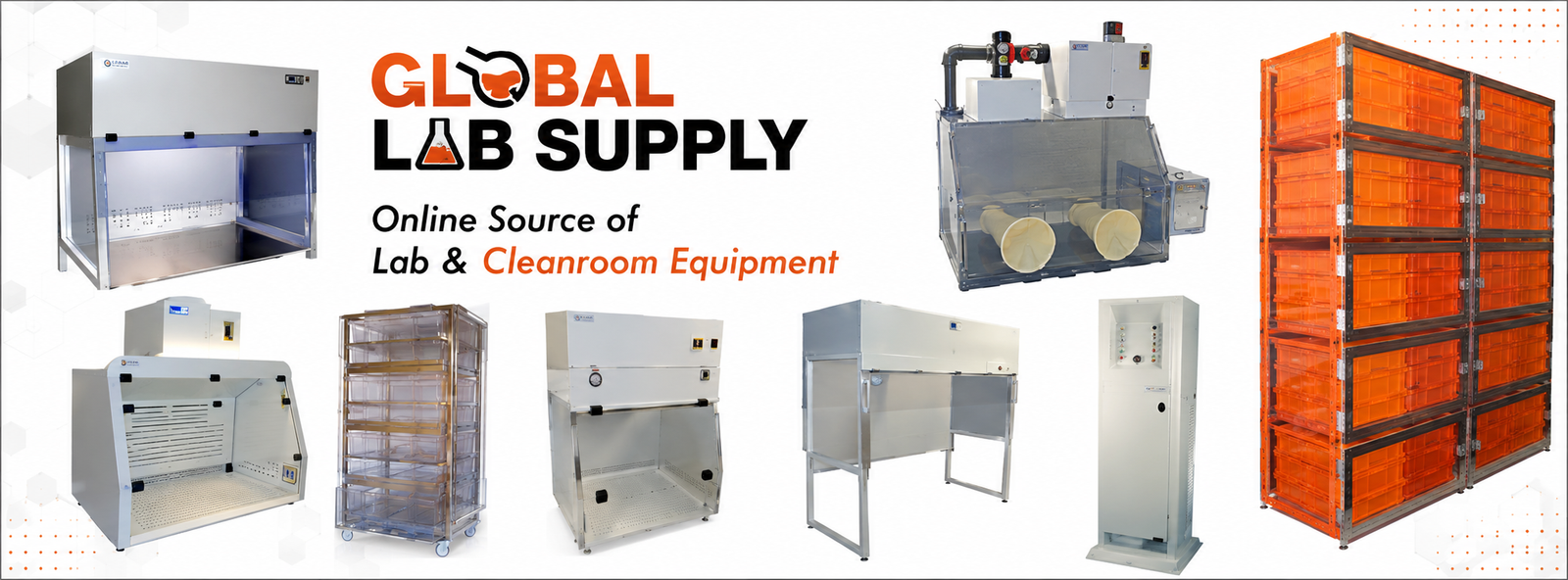
Refrigerated Incubator: Benefits for Laboratory Applications
A refrigerated incubator gives you precise temperature control when your laboratory work requires conditions below normal room temperature. Unlike a standard incubator, it combines controlled incubation with active cooling, allowing you to maintain stable environments for temperature-sensitive samples, cultures, reagents, and biological materials.
When you choose the right refrigerated incubator, you can improve experimental consistency, protect valuable samples, and create repeatable testing conditions. You can also use these systems for applications where environmental temperature changes could affect results.
What Is a Refrigerated Incubator?
A refrigerated incubator is laboratory equipment designed to maintain a controlled temperature range using both heating and refrigeration. You can set the desired temperature through a digital controller, while the cooling and heating systems work together to maintain stable conditions.
This type of incubator is particularly useful when you need temperatures below ambient conditions. Depending on the model, you may also have access to programmable temperature settings, alarms, circulation systems, adjustable shelving, and data monitoring features.
Before selecting a unit, you should identify the temperature range, chamber capacity, sample type, and operating conditions required for your application.
How Does a Refrigerated Incubator Work?
A refrigerated incubator uses a temperature-control system to regulate the chamber environment. When the chamber temperature rises above your selected setpoint, the refrigeration system removes heat. When additional warmth is required, the heating element increases the temperature.
A controller continuously monitors chamber conditions and adjusts the system as necessary. Internal air circulation helps distribute temperature throughout the chamber, reducing unwanted temperature differences between shelves.
You should avoid overcrowding the chamber because excessive loading can restrict airflow and make temperature control less uniform. Proper spacing between samples allows the circulation system to work effectively.
Key Benefits of a Refrigerated Incubator
1. Precise Temperature Control
One of the most important benefits is your ability to maintain a controlled temperature for sensitive laboratory procedures. Stable temperature conditions can reduce environmental variation and support more consistent results.
This is particularly important when even small temperature changes could influence microbial growth, biochemical reactions, sample stability, or other experimental outcomes.
2. Low-Temperature Incubation
A refrigerated incubator allows you to perform incubation at temperatures that conventional heated incubators cannot achieve.
You can use controlled low-temperature conditions for applications such as microbiological testing, enzyme studies, pharmaceutical research, plant science, and sample preservation.
Before starting your work, verify that the incubator's specified temperature range matches your actual process requirements.
3. Better Sample Protection
Temperature-sensitive materials can deteriorate when exposed to unsuitable environmental conditions. By maintaining the required temperature, you can reduce the risk of unwanted changes caused by temperature fluctuations.
You should still follow the storage and handling requirements associated with your particular samples. A refrigerated incubator provides environmental control, but it does not replace appropriate laboratory procedures.
4. Improved Experimental Repeatability
When you maintain consistent environmental conditions, you can make your laboratory procedures easier to reproduce.
For example, if you perform the same incubation procedure repeatedly, maintaining a stable temperature helps minimize one potential source of variation. This can be especially useful in quality control, research, testing, and development environments.
5. Versatile Laboratory Applications
You can use refrigerated incubators across many laboratory disciplines. Their ability to provide both cooling and heating makes them suitable for applications requiring controlled temperatures over extended periods.
Common applications include microbiology, biotechnology, pharmaceutical research, food testing, environmental studies, plant research, and general scientific investigations.
6. Automated Temperature Management
Modern refrigerated incubators commonly use digital controls and sensors to manage chamber temperature automatically. Once you establish the required setpoint, the system can regulate conditions without requiring constant manual adjustment.
You should still monitor the equipment according to your laboratory's quality procedures. Regular checks can help you identify unexpected temperature changes before they affect your samples.
Common Laboratory Applications
Microbiological Testing
You can use refrigerated incubators for controlled growth studies involving microorganisms that require temperatures below standard incubation conditions. Stable temperature control supports more predictable testing and observation.
Pharmaceutical Research
Temperature-controlled incubation can be useful when you need to evaluate formulations, biological materials, or other temperature-sensitive substances. Maintaining a defined environment helps you conduct controlled laboratory studies.
Food and Environmental Testing
You may use refrigerated incubators for testing procedures involving food samples, water samples, environmental specimens, or microorganisms. Controlled temperatures can support standardized testing conditions.
Plant and Biological Research
Some biological studies require controlled temperatures to investigate growth, development, or physiological responses. A refrigerated incubator gives you greater flexibility when room temperature is unsuitable for the experiment.
Sample Conditioning
You can also use controlled-temperature chambers to condition samples before testing. Maintaining a defined temperature helps bring samples to consistent conditions before you begin measurements or analysis.
Features You Should Consider
Choosing the right refrigerated incubator requires more than checking the temperature range. You should evaluate several practical features.
Temperature range: Confirm that the unit can reach and maintain the temperatures required by your procedures.
Temperature uniformity: Look for effective air circulation and chamber design that help maintain consistent conditions throughout the workspace.
Capacity: Select a chamber large enough for your current workload while leaving sufficient room for airflow.
Digital controller: A clear controller makes it easier for you to establish and monitor operating conditions.
Alarm system: Temperature alarms can alert you when conditions move outside acceptable limits.
Shelving: Adjustable shelves allow you to organize samples according to container size and workflow.
Data monitoring: If your application requires documentation, consider models with monitoring or recording capabilities.
Construction: Choose materials that can withstand your laboratory environment and routine cleaning procedures.
If your laboratory also requires controlled heating and drying rather than refrigerated incubation, you can explore a suitable Forced Convection Oven for applications that require heated, circulated air.
How to Use a Refrigerated Incubator Effectively
You can improve performance by following a consistent operating routine.
Start by reviewing the manufacturer's operating instructions and your laboratory's procedures. Set the temperature before placing sensitive materials inside whenever practical. Allow the chamber to stabilize before beginning an experiment.
Arrange samples so air can circulate freely around containers. Avoid placing materials directly against chamber walls or blocking circulation openings.
Keep the door closed as much as possible. Frequent opening allows conditioned air to escape and can cause temporary temperature fluctuations.
You should also label samples clearly and maintain an organized chamber. Good organization reduces handling time and helps you locate materials without unnecessarily disturbing other samples.
Maintenance Tips for Reliable Performance
Regular maintenance helps you keep your refrigerated incubator operating effectively.
Clean the chamber according to the manufacturer's recommendations. Remove spills promptly and use cleaning products compatible with the chamber's interior materials.
Inspect door seals regularly. A damaged or poorly sealing gasket can allow conditioned air to escape and make temperature control less efficient.
Keep ventilation areas unobstructed. The refrigeration system needs adequate airflow to operate properly, so you should follow the required clearance around the equipment.
Check temperature performance at scheduled intervals. Calibration or verification procedures should follow your laboratory's quality requirements and the manufacturer's recommendations.
You should also document cleaning, inspections, calibration, and service activities when your laboratory requires maintenance records.
Safety and Operational Considerations
You should never assume that a refrigerated incubator is suitable for every material. Check chemical compatibility, biological safety requirements, container suitability, and operating limitations before use.
Avoid placing flammable, volatile, or otherwise hazardous substances inside equipment unless the manufacturer specifically states that the unit is designed for that application.
Do not overload the chamber. Excessive loading can interfere with airflow and affect temperature uniformity.
If you notice unusual noise, excessive condensation, temperature instability, or an alarm condition, investigate the issue according to your laboratory's procedures. When necessary, discontinue use and obtain qualified service.
Choosing the Right Refrigerated Incubator
To select an appropriate unit, begin with your application rather than the equipment's features. Determine the required temperature range, chamber volume, sample quantity, operating duration, and monitoring requirements.
Next, consider the laboratory environment. Available floor space, electrical requirements, ventilation, access, and cleaning procedures can influence which configuration works best for you.
You should also consider future requirements. A slightly larger chamber or more flexible temperature range may provide useful capacity as your laboratory workload changes.
If you need help evaluating laboratory equipment for your application, you can Contact Us to discuss your requirements and identify an appropriate solution.
Why Choose the Right Laboratory Supplier?
Your equipment choice can influence laboratory efficiency, sample protection, and long-term operating costs. Working with an experienced supplier can help you compare specifications and select equipment that fits your procedures.
Global Lab Supply provides access to laboratory equipment and supplies for different scientific and controlled-environment applications. You can review equipment specifications carefully and compare features before making a purchasing decision.
Final Thoughts
A refrigerated incubator gives you greater control when your laboratory procedures require stable temperatures below ambient conditions. By combining heating and refrigeration, it provides flexibility for research, testing, sample conditioning, microbiology, pharmaceutical work, and other scientific applications.
You can get better performance by selecting the correct temperature range and chamber capacity, organizing samples properly, limiting unnecessary door openings, and following a consistent maintenance schedule.
Before purchasing, define your application requirements and compare temperature control, uniformity, capacity, alarms, monitoring, construction, and service considerations. A carefully selected refrigerated incubator can help you maintain dependable laboratory conditions and support more consistent results.
Frequently Asked Questions
1. What is a refrigerated incubator used for?
You can use a refrigerated incubator for laboratory applications that require controlled temperatures below ambient conditions. Common uses include microbiological studies, pharmaceutical research, environmental testing, food testing, plant research, and temperature-sensitive sample conditioning.
2. How is a refrigerated incubator different from a standard incubator?
A standard incubator generally provides controlled heating, while a refrigerated incubator provides both heating and active cooling. This allows you to maintain lower temperatures when your laboratory application requires conditions below room temperature.
3. How do you maintain temperature uniformity?
You can support temperature uniformity by avoiding overcrowding, leaving space around samples, keeping circulation openings clear, and minimizing unnecessary door openings. Regular temperature verification and proper equipment maintenance can also help maintain reliable performance.
4. Can you use a refrigerated incubator for microbiology?
Yes. You can use refrigerated incubators for microbiological applications that require controlled temperatures, including certain growth and testing procedures. Always verify the required temperature range and follow the specific protocol for your microorganism and application.
5. What should you consider before buying a refrigerated incubator?
You should consider temperature range, chamber capacity, temperature uniformity, airflow, controls, alarms, monitoring capabilities, shelving, construction, energy requirements, maintenance needs, and available laboratory space. Matching these features to your application helps you select an appropriate system.








0 Comments