
Network Automation Technology: Transforming Modern IT Infrastructure
In today’s digital world, businesses rely heavily on fast, secure, and scalable networks. Managing these complex networks manually is no longer practical. This is where network automation technology becomes essential. It helps organizations automate repetitive networking tasks, improve efficiency, reduce errors, and strengthen security.
According to PyNet Labs, network automation is becoming one of the most important technologies for modern IT infrastructure because it simplifies network operations and improves overall performance.
What is Network Automation Technology?
Network automation technology refers to the use of software, scripts, APIs, and automation tools to manage, configure, monitor, and optimize network devices without manual intervention. It automates routine networking tasks such as device configuration, traffic management, security updates, monitoring, and troubleshooting.
Traditional network management often requires engineers to manually configure routers, switches, and firewalls. With automation, these processes can be completed automatically using predefined workflows and scripts. This helps businesses save time and minimize operational complexity.
Why Network Automation Technology is Important
Modern networks are growing rapidly due to cloud computing, remote work, IoT devices, and data-intensive applications. Managing these large-scale environments manually increases the chances of downtime and configuration errors.
Network automation technology helps organizations by:
- Reducing human errors
- Improving operational efficiency
- Increasing network scalability
- Enhancing security management
- Simplifying troubleshooting
- Accelerating deployment processes
Businesses that adopt automation can manage large infrastructures more efficiently while reducing operational costs.
How Network Automation Technology Works
Network automation works through automation platforms, scripts, and APIs that communicate with networking devices. Engineers create workflows that define specific actions and responses.
The process usually includes:
- Identifying repetitive network tasks
- Creating automation workflows
- Using tools like Python, Ansible, and Terraform
- Deploying scripts across network devices
- Monitoring automated operations
Automation platforms continuously monitor network conditions and can automatically apply changes when required. This creates a more responsive and reliable network environment.
Popular Tools Used in Network Automation Technology
Several technologies and tools are commonly used in network automation:
Python
Python is one of the most widely used programming languages in network automation because of its simplicity and powerful networking libraries.
Ansible
Ansible is an open-source automation tool used for configuration management and device provisioning.
Terraform
Terraform helps automate infrastructure deployment and cloud networking environments.
Netmiko and NAPALM
These Python libraries simplify communication with network devices from multiple vendors.
REST APIs
Modern networking devices support REST APIs that allow automated interaction and configuration management.
Benefits of Network Automation Technology
Improved Efficiency
Automation reduces the time spent on repetitive tasks and allows engineers to focus on strategic projects.
Better Network Security
Automated security updates and compliance checks help organizations maintain secure network environments.
Faster Troubleshooting
Automation tools can detect network issues in real time and respond faster than manual processes.
Scalability
Organizations can manage growing networks more effectively without increasing operational workload.
Reduced Downtime
Automated monitoring and configuration management reduce the chances of network outages caused by human mistakes.
Future of Network Automation Technology
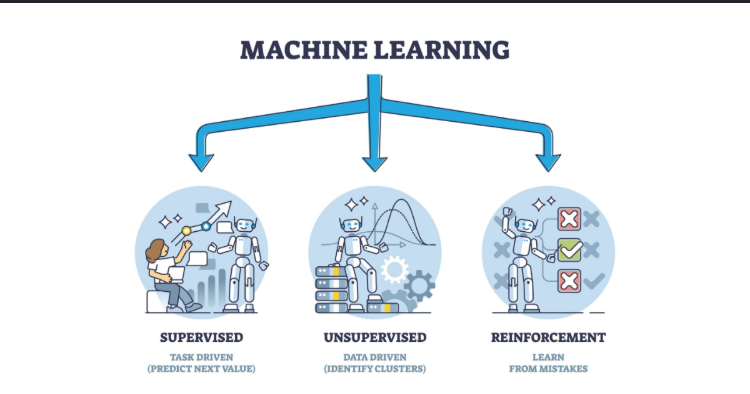
The future of network automation technology is closely connected with Artificial Intelligence (AI) and Machine Learning (ML). AI-driven automation systems can analyze network behavior, predict failures, and optimize performance automatically.
Technologies such as cloud-native networking, SDN (Software Defined Networking), 5G, and edge computing are also increasing the demand for intelligent network automation solutions. AI-powered automation is expected to become a major part of enterprise networking in the coming years.
Conclusion
Network automation technology is changing how organizations manage their IT infrastructure. By automating repetitive tasks, businesses can improve efficiency, reduce operational costs, strengthen security, and build scalable networks for future growth.








0 Comments