
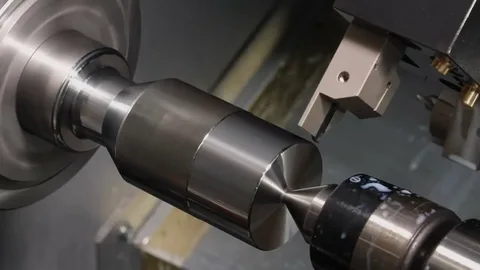
Key Applications of CNC Turning Machining in Various Industries
CNC turning machining has become a cornerstone of modern manufacturing, offering unmatched precision, efficiency, and versatility. By using computer-controlled lathes, manufacturers can produce complex cylindrical components with high accuracy and repeatability. This technology has transformed production processes across multiple industries, enabling both small-scale customization and large-scale mass production.
From automotive to medical sectors, CNC turning machining plays a critical role in shaping the components that drive innovation. Its ability to work with a wide range of materials—including metals, plastics, and composites—makes it indispensable in today’s competitive industrial landscape. Below, we explore the key applications of CNC turning machining across various industries.
CNC Turning Machining in the Automotive Industry
The automotive industry heavily relies on CNC turning machining for producing precise and durable components. Parts such as engine shafts, brake components, and transmission elements require tight tolerances and consistent quality, which CNC technology can deliver efficiently.
In addition, CNC turning machining allows automotive manufacturers to maintain high production volumes without compromising on accuracy. This ensures that every component meets safety and performance standards, which are crucial in vehicle manufacturing.
Key applications include:
- Engine components like pistons and crankshafts
- Transmission shafts and gear blanks
- Brake system parts
- Suspension components
The flexibility of CNC turning machining also supports rapid prototyping, allowing automotive companies to test new designs and innovations quickly.
Aerospace Industry Applications
In the aerospace sector, precision is not just important—it is critical. CNC turning machining is widely used to manufacture components that must withstand extreme conditions, including high pressure and temperature variations.
Aircraft components often require complex geometries and lightweight materials such as titanium and aluminum. CNC turning machining ensures these parts are produced with exact specifications, reducing the risk of failure and enhancing overall safety.
Key applications include:
- Aircraft engine components
- Landing gear parts
- Hydraulic system elements
- Fasteners and connectors
Furthermore, CNC turning machining supports strict quality control standards, which are essential in aerospace manufacturing.
Medical and Healthcare Equipment Manufacturing
The medical industry benefits significantly from CNC turning machining due to its ability to produce highly precise and sterile components. Medical devices often require intricate designs and biocompatible materials, which CNC machines can handle effectively.
From surgical instruments to implantable devices, CNC turning machining ensures that each component meets stringent medical standards. The precision offered by this process is essential for patient safety and successful medical procedures.
Key applications include:
- Surgical tools and instruments
- Orthopedic implants such as screws and rods
- Dental components
- Diagnostic equipment parts
Additionally, CNC turning machining enables customization, allowing manufacturers to create patient-specific medical devices with high accuracy.
Electronics and Technology Sector
The electronics industry demands small, intricate components that require exceptional precision. CNC turning machining is ideal for producing these parts, as it can achieve tight tolerances and smooth finishes.
With the rise of advanced technologies such as smartphones, computers, and IoT devices, the need for high-quality components has increased. CNC turning machining helps meet this demand by ensuring consistency and reliability in production.
Key applications include:
- Connectors and pins
- Heat sinks and housings
- Precision shafts
- Micro-components for devices
Moreover, CNC turning machining supports rapid production cycles, enabling tech companies to keep up with fast-paced innovation and market demands.
Oil, Gas, and Energy Industry Uses
The oil, gas, and energy sectors require robust and durable components that can withstand harsh environments. CNC turning machining is widely used to manufacture parts that operate under extreme pressure, temperature, and corrosion conditions.
These industries depend on high-performance components to ensure operational efficiency and safety. CNC turning machining provides the strength and precision needed for such demanding applications.
Key applications include:
- Valves and fittings
- Drilling equipment components
- Pump shafts
- Pipeline connectors
In addition, CNC turning machining allows for the production of custom parts tailored to specific operational requirements, improving overall system performance.
Conclusion
CNC turning machining has revolutionized manufacturing across a wide range of industries by delivering precision, efficiency, and adaptability. Whether it is producing high-performance automotive parts, critical aerospace components, or delicate medical devices, this technology plays an essential role in modern production.
Its ability to handle diverse materials, maintain tight tolerances, and support both mass production and customization makes CNC turning machining a valuable asset in today’s industrial world. As industries continue to evolve and demand higher levels of precision and innovation, CNC turning machining will remain at the forefront of advanced manufacturing solutions.









0 Comments