
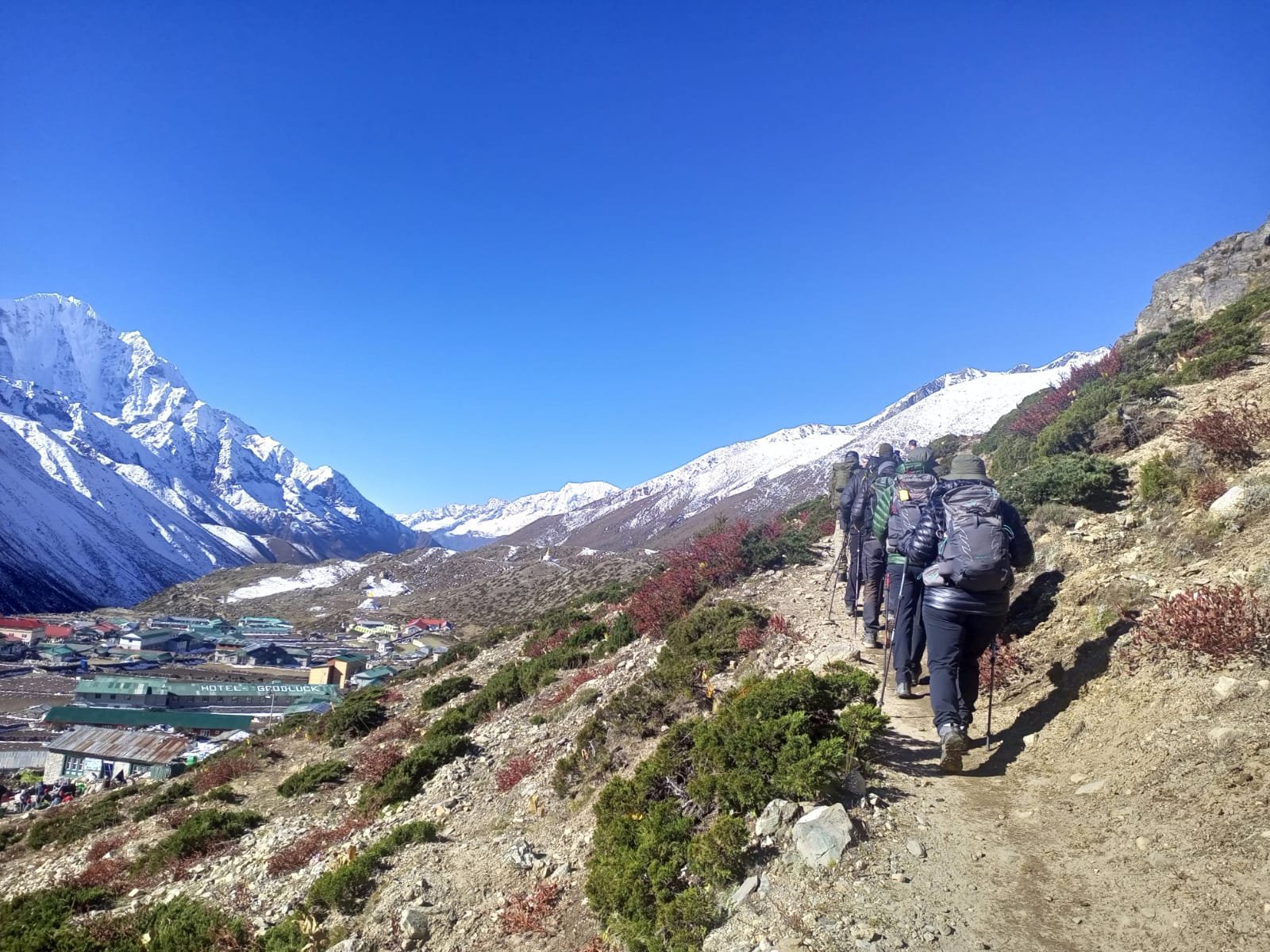
How to Trek Near Tibetan Border Zones in the Manaslu Region
Close to the Tibetan boundary within Manaslu, footsteps meet jagged peaks, age-old customs drifting down from Tibet, rugged land stretched across high altitudes. Heading north along the path, the route slips into zones where Nepal brushes against China's Tibetan region - settlements such as Samdo and spots further into Nubri occupy these remote patches. Because oversight stays tight near borders, moving through here demands careful planning, valid permits secured ahead of time, and strict respect for government regulations at every turn.
Manaslu Border Area Has Restricted Access
High up where Nepal meets Tibet lies Manaslu, a place held tight by rules. Sitting across such a border means eyes stay fixed - protection isn’t only about people but customs, land too. Going here doesn’t mean showing up; routes are set, solo trips turned away. Paperwork comes first, then walking beside trained guides raised near these slopes. Watching every step ensures calm trails, fewer dangers, less weight on quiet towns and thick woods.
Mandatory Permits Required for Trekking in Border Zones
Close to Tibet along the Manaslu trail, travelers must hold a Restricted Area Permit beyond regular conservation forms. Managed by authorized trekking agencies, the permit does not allow independent access. Approved paths are listed exactly as allowed - no deviations show up. Each journey follows a fixed schedule, tied strictly to set dates. Because details count when moving close to delicate areas. Clearance becomes necessary ahead of entry into northern communities.
Guided Tours Need a License
Every path near Manaslu needs a guide - that’s what the rules say. Instead of simply moving forward, they’re tracking your papers, making sure nothing slips. Tough areas call for quick thinking; these helpers spot trouble long before it shows up. When guards show up out of nowhere, calm talk gets everyone through.
Following the right trail lines? Out there, ground truth holds weight where borders blur into rough terrain close to Tibet. It is they who handle that task as well. The ones who go know what charts leave out, spotting clues in dirt and law just like shifts in wind. Only those who have crossed before earn trust at that boundary.
Border Villages Along the Trek Path
Perched close to the Tibetan border lies Samdo, one of the last notable villages in the area. Beyond it, wilderness begins - few places remain accessible. Tradition runs strong here, fed by customs carried over high passes. Exchange thrives too, nudged forward by cross-mountain contact. Travelers start their trek from these parts, aiming for crestlines that open into tightly controlled land. Cross-specific markers? That will stop you. Lines drawn long ago stay fixed.
High Altitude Near the Border
Up close to Tibet’s rim, the ground thins out, littered with rock, gusts tearing across without pause. Little manages to take root since the atmosphere lacks breath compared to lower hollows where warmth gathers. Shifts in sky mood strike without warning - chill seeping through wide-open emptiness like a slow leak. Adjusting to shallow air demands patience; muscles demand it before pressing upward. Bypassing this wait opens a risk most never see coming.
Cultural Influence of Tibetan Traditions
Stone houses huddle close at the edge of the map, walls built fat to block biting gusts off the peaks. Above them, strips of cloth dance on invisible strings, their prayers lifted, not sung. In villages like Samdo, time follows old patterns - monks counting stars, flames flickering in yak-butter bowls. Each cluster of homes holds a monastery, silent as a pulse behind timbers cracked by weather.
Out here, stone prayers rise along footpaths, chiseled deep by quiet fingers keeping rhythm with steady breathing. Not the work put in, but the miles from roads that guard traditions best. Moving across this land feels like stepping into loops older than clocks - built by doing the same thing again, then again. What sticks is not spectacle, but the way someone still halts, just briefly, at a threshold. Near Tibetan ground, routines slip past frontiers faster than rules catch up.
Trekking Routes and Permitted Zones
Some trails are open for walkers in the Manaslu zone. Straying near the frontier is out of bounds - approved lanes must be followed. Starting at Samagaun, the path heads to Samdo, then pushes forward to Dharamsala, eventually nearing Larke La Pass. Moving beyond designated zones? Forbidden; checkpoints monitor passage.
Border checkpoints manage movement across boundaries.
Just beyond the high mountain crossings, checkpoints appear along the path winding through Manaslu. To go further, travelers must clear every station - each manned by officers reviewing papers closely. Groups of them pop up together, logging everyone stepping into restricted areas. The farther north you get, near the Tibetan border, the tighter the watch becomes. Every time you head out, that permit needs to be on you. Forget it, expect things to slow down fast. When law enforcement gets close, staying calm matters just as much as doing what comes next right.
Adjusting Before Moving Across Boundaries
Most people do not realize how much elevation affects movement until they reach border regions. Samagaun and Samdo serve as rest points - bodies adjust better when steps are taken gradually. Because oxygen thins up there, pauses help balance breathing patterns over days. One breath at a time, lungs learn new rhythms before steep routes appear ahead. Without such breaks, strain increases sharply on narrow trails leading to passes like Larke La. Slower pacing here means fewer problems later, even if the path seems endless. These villages exist for that reason - recovery hides in plain sight.
Safety in Remote Border Areas
Far out, safety leans on foresight, reading cloud changes, following whoever knows the trail best. If aid takes hours just to reach you, surprise weather can freeze rescue plans fast. Going slow beats rushing - pay attention to what your leader says rather than testing yourself solo. Proper shoes, water within arm's reach, understanding how altitude affects people unevenly - these quietly build better climbs beyond the trees.
Trekking near the Tibetan border, Manaslu
Close to the Tibetan border in Manaslu, old ways meet a sharp ridge, opening eyes to raw scenery untouched by time. Yet paperwork comes first - permits must be held, a licensed guide hired, fixed routes followed with care. Once prepared, mindful, honoring local habits, travelers step into silence, uncovering meaning slowly, one moment at a time.









0 Comments