
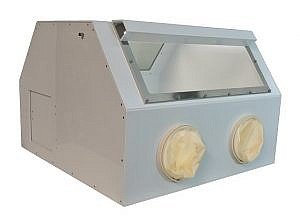
How to Maintain a Lab Glove Box for Long-Term Performance?
A lab glove box plays a critical role in creating controlled environments where sensitive materials, chemicals, and research samples require protection from moisture, oxygen, contamination, or external exposure. Whether you work in pharmaceutical research, battery development, semiconductor processing, or advanced material testing, proper maintenance helps your equipment deliver consistent performance. By following the right care practices, you can extend the service life of your glove box, reduce downtime, and maintain a reliable controlled atmosphere for your laboratory operations.
Choosing the right equipment from a trusted manufacturer such as CleaTech LLC ensures you have access to high-quality solutions designed for demanding laboratory applications. However, even the most advanced systems require regular inspection, cleaning, and monitoring to maintain efficiency over time.
Why Regular Lab Glove Box Maintenance Matters
A glove box depends on precise environmental control to protect experiments and materials. Small issues such as damaged gloves, poor sealing, contaminated surfaces, or improper pressure levels can affect performance and compromise research results.
Routine maintenance helps you:
- Maintain stable oxygen and moisture levels
- Prevent contamination during sensitive procedures
- Improve equipment reliability
- Reduce unexpected repairs
- Protect valuable samples and materials
- Increase the lifespan of your laboratory equipment
A well-maintained glove box provides a safer and more productive workspace for researchers and technicians.
Inspect Gloves and Sealing Components Regularly
The gloves and sealing system are among the most important components of a glove box. Any damage, cracks, or wear can allow outside air or contaminants to enter the controlled environment.
You should regularly check:
- Glove ports for proper attachment
- Glove surfaces for tears or deterioration
- O-rings and seals for damage
- Chamber doors for proper closing and alignment
Replace worn components immediately to prevent air leakage and maintain system integrity. Regular inspection is especially important when your laboratory handles reactive materials or moisture-sensitive compounds.
Keep the Interior Workspace Clean
Maintaining a clean internal environment is essential for preventing contamination. Before placing materials inside the chamber, make sure they are properly prepared and free from unnecessary particles.
Follow these cleaning practices:
- Remove waste materials after each procedure
- Use compatible cleaning solutions
- Avoid introducing contaminated tools
- Clean work surfaces regularly
- Keep storage areas organized
Avoid harsh chemicals that may damage internal surfaces or interfere with the glove box atmosphere. Always follow manufacturer recommendations when selecting cleaning products.
Monitor Oxygen and Moisture Levels
A primary function of a glove box is maintaining a controlled atmosphere. Regular monitoring of oxygen and moisture levels helps you identify problems before they affect your processes.
Pay attention to:
- Oxygen analyzer readings
- Moisture sensor performance
- Purification system efficiency
- Gas circulation performance
If readings become unstable, investigate possible causes such as leaks, exhausted filters, improper regeneration cycles, or damaged seals.
Maintain the Purification System
The purification system is responsible for removing unwanted gases and maintaining the required atmosphere inside the chamber. Over time, filters and purification materials may lose effectiveness.
To maintain performance:
- Check purifier status regularly
- Follow recommended regeneration schedules
- Replace filters when necessary
- Monitor system alerts and indicators
Proper purifier maintenance ensures your glove box continues providing a clean and controlled working environment for sensitive applications.
Inspect Vacuum and Gas Supply Connections
Gas flow and pressure control directly impact glove box operation. Loose connections, damaged tubing, or incorrect pressure settings can reduce performance.
Regularly inspect:
- Gas inlet connections
- Vacuum lines
- Valves and regulators
- Pressure control systems
Make sure all connections remain secure and free from leaks. Proper gas management improves efficiency and helps maintain stable operating conditions.
Follow Proper Operating Procedures
Maintenance is not only about cleaning and repairs. Daily operating habits also influence equipment performance. Train all users on correct procedures to prevent unnecessary stress on the system.
Best practices include:
- Avoid forcing chamber doors or ports
- Use proper material transfer procedures
- Do not overload the workspace
- Allow adequate purge cycles
- Follow safety guidelines during operation
Consistent handling reduces wear and helps your glove box operate efficiently for many years.
Schedule Preventive Maintenance
Waiting until a problem occurs can lead to expensive repairs and laboratory interruptions. A preventive maintenance schedule allows you to identify minor issues before they become major failures.
Create a maintenance plan that includes:
- Weekly visual inspections
- Monthly cleaning procedures
- Periodic performance testing
- Professional servicing when required
Working with experienced professionals helps ensure your equipment continues meeting laboratory requirements.
Choose Reliable Glove Box Solutions for Long-Term Results
Investing in a high-quality system is the first step toward reliable laboratory performance. Advanced equipment combined with proper maintenance provides better protection for sensitive experiments and improves operational efficiency.
CleaTech LLC provides reliable controlled environment solutions designed for research facilities, industrial laboratories, and specialized applications. You can explore advanced laboratory glove box systems for controlled atmosphere research and contamination-sensitive applications to find solutions that match your operational needs.
Whether you need guidance on equipment selection, maintenance support, or customized laboratory solutions, you can Contact us today for expert assistance with your laboratory glove box requirements.
Conclusion
Maintaining your lab glove box properly is essential for achieving long-term performance, accuracy, and reliability. Regular inspections, cleaning, atmosphere monitoring, purification maintenance, and proper operation practices help prevent failures and protect your valuable research materials.
By following a proactive maintenance approach and investing in dependable equipment, you can create a stable controlled environment that supports successful laboratory operations for years.
Frequently Asked Questions
How often should you maintain a lab glove box?
You should perform routine inspections regularly and schedule preventive maintenance based on usage, application requirements, and manufacturer recommendations.
What is the most important part of glove box maintenance?
Maintaining proper sealing, monitoring atmosphere conditions, and keeping purification systems functional are key factors for reliable performance.
How do you prevent contamination inside a glove box?
Clean materials before transfer, maintain proper procedures, and regularly clean internal surfaces to reduce contamination risks.
Why are oxygen and moisture levels important in a glove box?
Stable oxygen and moisture levels protect sensitive materials and ensure experiments are performed under controlled atmospheric conditions.
When should glove box components be replaced?
Replace damaged gloves, worn seals, filters, or malfunctioning components immediately to prevent performance issues and contamination.






0 Comments