
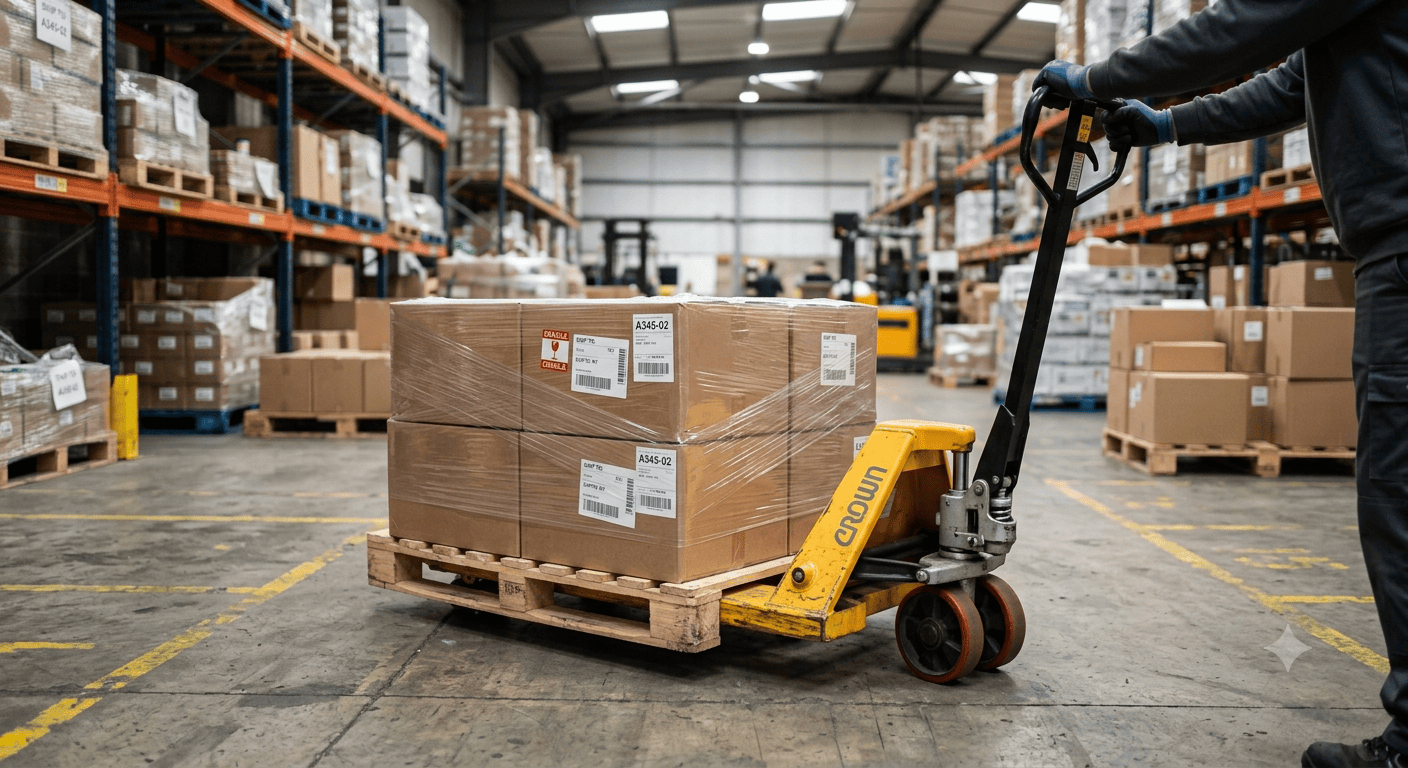
How to Correctly Load a Hand Pallet Truck to Avoid Overloading and Tipping
Warehouse workers move heavy items every day using standard material handling tools. Proper use of a hand pallet truck prevents workplace injuries and equipment damage. Operators must follow specific loading procedures to maintain balance during transport. Clear rules keep warehouse zones running efficiently without major delays.
Understanding Load Capacity Limits
Factory Weight Ratings
Every manual transport tool possesses a specific weight rating from the manufacturer. This weight rating appears on a metal plate near the hydraulic pump handle. Workers must check the weight of the cargo before lifting the load. Checking weight numbers protects the mechanical parts from stress fractures.
Pump Mechanism Failures
Too much weight breaks the hydraulic pump inside the handle. Broken hydraulic valves prevent the machine from raising goods off the floor surface. Operators test pump resistance by moving the steering handle up and down. Sudden drops in pressure mean the system carries a heavy weight mismatch.
Steel Frame Damage
Heavy loads put extra stress on the steel frame of the tool. Bent forks reduce the balance of the machine during transport. Users maintain equipment condition by staying below the maximum weight limits. Damaged steel requires expensive welding repairs that stop warehouse work.
Centering the Cargo on the Forks
Symmetric Pallet Placement
Even weight stops the machine from tilting during a turn. Workers push the steel forks completely under the wooden pallet structure. The cargo must sit evenly across both metal prongs. Misaligned positions bend the metal frames over long travel distances.
Tip Management
Placing items on the tips of the forks creates an uneven balance point. Uneven placement puts too much pressure on one side of the machine. The tool can tip sideways when turning sharp corners in narrow warehouse aisles. Centered cargo stays stable on rough or uneven warehouse floors.
Load Support Alignment
Heavy items must rest flat against the thick rear base of the forks. The thickest part of the metal frame supports the highest load forces. Fork tips only provide light guidance for the edges of a shipping crate. Keeping goods close to the wheels balances total machine weight.
Securing Loose Items on the Pallet
Stacking Box Patterns
Loose boxes can shift or fall during warehouse transport operations. Workers stack rectangular boxes in interlocking patterns to create a solid structure. Straight vertical lines create weak columns that collapse during floor vibrations. Interlocking rows lock the package units together like strong building bricks.
Base Weight Balance
Heavy items belong at the very bottom of the pallet stack. Top-heavy loads tilt easily when the vehicle stops moving suddenly. Placing light packages at ground level creates a high center of gravity. Workers place the dense objects first to anchor the shipping assembly.
Plastic Wrap Support
Plastic stretch wrap holds multiple cardboard boxes together securely. Workers apply plastic wrapping around the entire pallet base to prevent shifting. Secure stacks do not drop items into common walking paths. Tight plastic bindings keep separate containers working as a single solid block.
Checking Floor Conditions and Path Obstacles
Wheel Friction Blocks
Floor surfaces change how a manual transport tool handles heavy cargo weights. Small pebbles or cracks on concrete floors can stop the wheels instantly. Sudden wheel stops cause the loaded pallet to slide forward off the forks. Workers inspect the path before moving heavy materials across the building.
Liquid Floor Spillages
Wet spots on the floor reduce tire grip during stopping maneuvers. Clean paths allow the small wheels to roll smoothly without sudden jerks. Smooth movement prevents the cargo from tilting during transport. Dry concrete offers the maximum traction for heavy polyurethane wheels.
Managing Ramps and Slopes Safely
Uphill Handling Angles
Sloped floors require workers to change their body positions. Operators pull the loaded tool behind them when walking up a ramp. This position keeps the heavy load from sliding toward the worker. Forward walking positions let users use their full leg power on slopes.
Downhill Steering Mechanics
Operators push the tool in front of them when walking down a ramp. The forks must point uphill during both upward and downward travel. This technique keeps the center of gravity stable on steep angles. Stable positioning prevents the machine from runaway rolling on slopes.
Pulling Instead of Pushing on Flat Ground
Steer Wheel Control
Body mechanics change the amount of control an operator has over the machine. Pulling the handle provides better steering control on flat concrete surfaces. The operator guides the steer wheels smoothly by walking ahead of the frame. Leading the machine lets workers navigate corners without hitting storage walls.
Strain Avoidance
Pushing the frame reduces forward vision and increases physical strain. Workers use two hands on the handle to steer the heavy load. Good steering paths avoid sudden changes in direction. Steady paths keep the cargo balanced on the steel forks.
Checking Hydraulic Lift Height Limits
High Elevation Danger
The hydraulic pump raises the wooden pallet off the concrete floor surface. Workers pump the handle until the pallet clears the ground by one inch. Lifting the cargo too high reduces the stability of the machine. High loads sway back and forth during quick warehouse movements.
Low Ground Clearance
Low clearance keeps the center of gravity near the floor surface. A load falls only a short distance if a tip occurs. Proper height limits protect both the goods and the floor. Low positioning reduces the kinetic energy during accidental warehouse impacts.
Key Takeaway
Safe material handling requires strict obedience to equipment weight ratings. Proper operation of a hand pallet truck keeps warehouse environments smooth and productive. Workers balance cargo, clear pathways, and manage ramp angles to prevent tipping. Regular safety checks stop warehouse accidents before they happen. Trained handlers keep materials secure by checking load details before travel.


0 Comments