
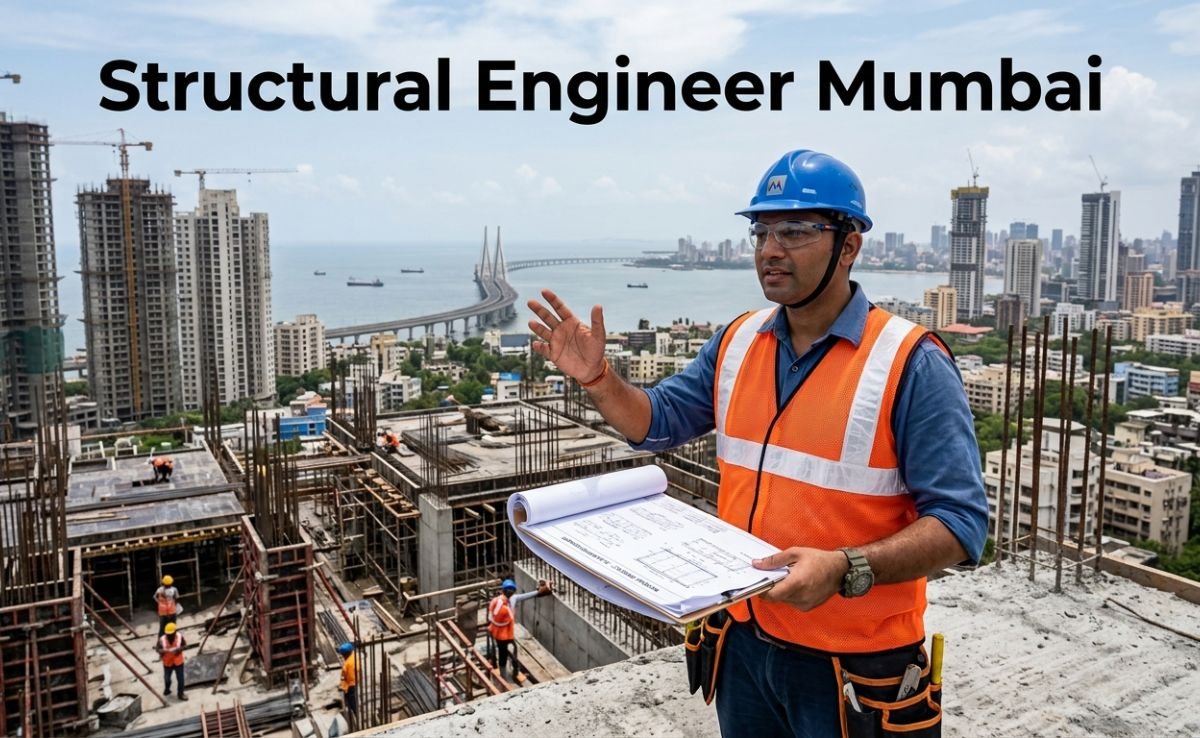
How to Choose the Right Structural Engineer Mumbai for Your Project
Choosing the right professional for a construction, renovation, inspection, or repair project is an important decision. A qualified Structural Engineer Mumbai can assess the strength and stability of a structure, identify potential risks, and recommend technically appropriate solutions. Whether you are developing a new property, renovating an existing building, or investigating structural damage, selecting the right expert can help protect your investment and improve long-term safety.
With numerous professionals offering engineering services, property owners should evaluate experience, qualifications, technical expertise, communication, and service scope before making a decision. This guide explains the key factors to consider when selecting a structural engineering professional for your project.
Understand Your Project Requirements
Before approaching an engineer, clearly define the type of assistance you need. Different projects require different areas of structural expertise.
You may require professional support for:
- New building structural design
- Structural inspection and assessment
- Structural audits
- Building repairs and rehabilitation
- Concrete and reinforcement assessment
- Crack and defect investigation
- Renovation or redevelopment projects
- Structural stability evaluation
- Non-destructive testing coordination
- Project management and technical consultancy
Understanding your requirements helps you identify professionals with relevant experience. For example, an engineer experienced in structural audits may be particularly suitable for an aging residential building, while a new construction project may require expertise in structural design and analysis.
Check Qualifications and Professional Experience
Qualifications should be one of the first factors you evaluate. Structural engineering requires technical knowledge of materials, loads, construction practices, design principles, and applicable standards.
Ask potential professionals about their educational background, professional experience, registrations, and previous projects. Experience is particularly valuable when dealing with older buildings, complex defects, major alterations, or rehabilitation work.
A professional with extensive practical exposure may be better equipped to recognize issues that are not immediately visible during a basic inspection.
Evaluate Relevant Project Experience
Every building presents different structural challenges. Therefore, general experience is useful, but relevant experience is even more important.
When comparing professionals, consider whether they have worked on projects similar to yours. For example, if you own an old apartment building requiring structural assessment, choosing a Structural Engineer Mumbai with experience in aging structures, deterioration, repairs, and rehabilitation can help ensure a thorough and reliable evaluation.
For commercial or industrial properties, experience with larger structural systems, specialized materials, and project coordination may be important.
Ask for examples of previous work that demonstrate familiarity with your project's size, building type, and technical requirements.
Review the Range of Services Offered
A reliable engineering professional should be able to clearly explain the services included in the assignment. Depending on your requirements, the scope may include site inspection, structural analysis, testing, documentation, repair recommendations, and follow-up supervision.
Nambiar Associates provides structural engineering-related services including structural audits, NDT testing, consultancy, repairs, rehabilitation, and project management support.
Understanding the complete service scope before appointment helps prevent confusion later. Ask whether the quoted service includes site visits, technical reports, drawings, testing coordination, recommendations, and implementation support where applicable.
Assess Their Inspection and Reporting Process
A professional assessment should follow a systematic process rather than relying only on a quick visual inspection.
Depending on the building and the purpose of the assessment, the process may involve:
- Reviewing available structural and building documents.
- Conducting a detailed site inspection.
- Identifying visible cracks, deterioration, deformation, or other defects.
- Assessing relevant structural components.
- Recommending appropriate testing where necessary.
- Evaluating the collected technical information.
- Preparing a clear engineering report.
- Suggesting suitable repair, strengthening, or maintenance measures.
Ask how the professional approaches inspections and what information will be included in the final report. A well-prepared report should explain observations and recommendations clearly enough for property owners and other stakeholders to understand the next steps.
Consider Knowledge of Local Building Conditions
Mumbai has a diverse range of residential, commercial, and industrial structures, including older buildings exposed to years of environmental and usage-related stresses. Coastal conditions, moisture exposure, corrosion, inadequate maintenance, and aging construction materials can contribute to deterioration.
For this reason, choosing a professional familiar with local building conditions can be beneficial. Local experience can help an engineer understand common construction practices, typical deterioration patterns, regulatory considerations, and practical challenges associated with building maintenance and rehabilitation.
Ask About Technical Testing Capabilities
Visual inspection can provide valuable information, but certain structural conditions may require additional investigation. Depending on the situation, engineers may recommend non-destructive testing or other technical assessments.
NDT methods can help evaluate properties and conditions without causing significant damage to structural components. Depending on the project, testing may assist in assessing concrete quality, reinforcement conditions, or other structural characteristics.
When selecting an engineer, ask whether they can recommend appropriate testing methods and interpret the results as part of the overall structural assessment.
Compare Communication and Professional Approach
Technical expertise is important, but communication also matters. A good professional should be willing to explain the condition of the structure, the significance of identified issues, and the recommended course of action.
Avoid choosing a professional solely because they offer the lowest quotation. Instead, compare the quality of the proposed scope, experience, technical approach, reporting standards, and communication.
You should feel comfortable asking questions about the inspection process, findings, costs, timelines, and recommendations.
Review the Proposed Scope and Fees
Before starting the project, request a written proposal that clearly explains the scope of work and associated fees.
The proposal should ideally specify:
- Services included
- Number of site visits
- Testing requirements
- Deliverables and reports
- Estimated project timeline
- Professional fees
- Additional charges, if applicable
- Payment terms
A transparent proposal makes it easier to compare different professionals on a like-for-like basis.
Check References and Previous Work
References can provide useful insight into a professional's reliability and working style. Where possible, ask for examples of comparable projects or client references.
Look beyond testimonials and consider the actual nature of previous assignments. A professional who has successfully handled projects similar to yours may be better positioned to understand your requirements.
You can also review the firm's website, service information, professional credentials, and project experience before making a final decision.
Consider Long-Term Value, Not Just Cost
Structural engineering is an investment in safety and informed decision-making. Selecting a professional based only on price can sometimes result in incomplete assessments or unsuitable recommendations.
The right expert can help identify problems early, establish appropriate repair strategies, and reduce the possibility of unnecessary or poorly planned work.
Nambiar Associates focuses on professional structural consultancy and assessment services designed to support informed decisions for different types of properties and structural requirements.
When comparing quotations, consider the overall value provided rather than simply selecting the lowest fee.
Red Flags to Watch For
Property owners should be cautious when a professional:
- Promises results without inspecting the property
- Provides a quotation without understanding the project
- Cannot clearly explain the proposed methodology
- Avoids providing a written scope of work
- Gives vague or unsupported technical recommendations
- Has no relevant experience with similar projects
- Cannot explain the contents of the final report
- Focuses exclusively on price rather than technical quality
A professional approach should involve proper inspection, documentation, transparent communication, and technically justified recommendations.
Final Checklist for Selecting an Engineer
Before appointing a professional, ask yourself:
- Does the engineer have appropriate qualifications?
- Do they have experience with similar projects?
- Can they clearly explain the inspection methodology?
- Is the scope of work documented?
- Are testing requirements explained?
- Will you receive a detailed technical report?
- Are fees and additional costs transparent?
- Can they communicate technical findings clearly?
- Do they understand local building conditions?
- Can they provide practical recommendations?
If the answers are satisfactory, you are more likely to make an informed selection.
Conclusion
Choosing the right Structural Engineer Mumbai requires more than comparing prices. Property owners should evaluate qualifications, relevant experience, technical capabilities, inspection procedures, reporting quality, communication, and overall service scope.
Whether your project involves new construction, structural auditing, renovation, building repairs, or rehabilitation, the right professional can provide valuable technical guidance and help you make informed decisions. Taking time to assess credentials and project experience before an appointment can contribute significantly to the safety, durability, and long-term performance of your property.
FAQs
Q1. When should I hire a structural engineer?
You should consider hiring one for new construction, major renovations, structural cracks, building deterioration, structural audits, rehabilitation, or when you have concerns about a property's stability.
Q2. How do I choose the right structural engineer?
Evaluate qualifications, relevant experience, technical expertise, service scope, reporting standards, communication, references, and transparent pricing before making your decision.
Q3. Is a structural audit necessary for an old building?
A structural audit can help identify deterioration, defects, and potential structural concerns in aging buildings. The need and frequency depend on the building's condition and applicable requirements.
Q4. What does a structural inspection include?
It may include document review, site inspection, assessment of structural components, identification of visible defects, technical testing where required, analysis, and preparation of an engineering report.
Q5. Why is experience important when selecting an engineer?
Experienced professionals are more likely to have encountered a wide range of structural conditions and project challenges, allowing them to provide practical recommendations based on the specific requirements of the property.








0 Comments