
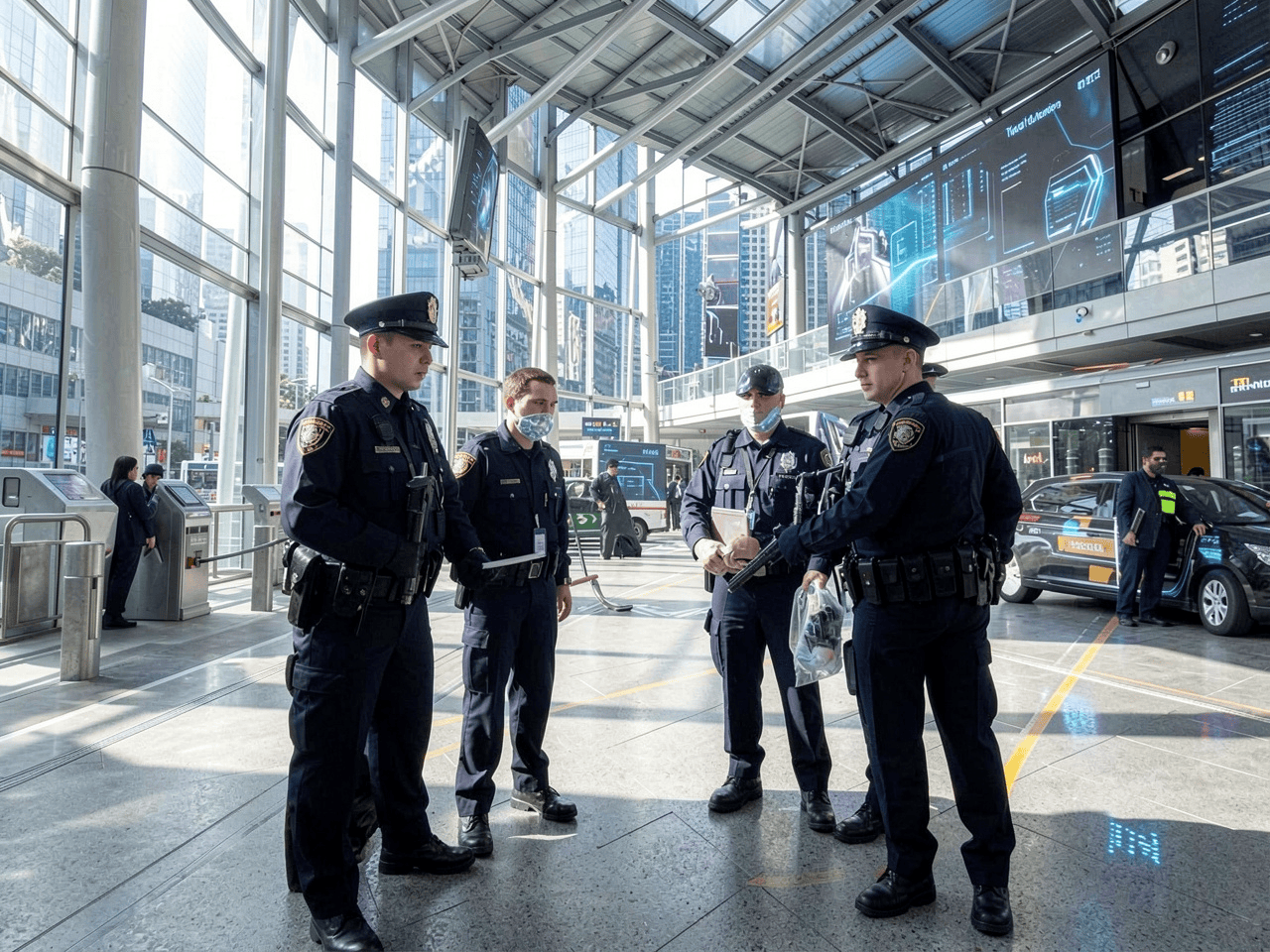
How Security Agencies Can Upgrade to Modern Less Lethal Systems
Security agencies today face a more complex operational environment than ever before. Public venues, private facilities, transportation hubs, commercial properties, and event spaces all require security teams to respond to potential threats while maintaining a strong focus on public safety. This has increased interest in modern less lethal systems that provide security professionals with additional response options beyond traditional methods.
For agencies considering an upgrade, the goal should not simply be purchasing newer equipment. A modern less lethal strategy combines appropriate equipment, professional training, clear policies, accountability, and ongoing evaluation.
What Are Modern Less Lethal Systems?
Less lethal systems are designed to provide security personnel with options intended to reduce the likelihood of fatal outcomes compared with conventional lethal force. Depending on the jurisdiction, agency role, and approved equipment, these systems may include specialized launchers, impact-based options, chemical irritant delivery systems, conducted-energy devices, and other technologies.
The important consideration in 2026 is not simply having access to a less lethal tool. Agencies need to determine whether their equipment, policies, and training work together as part of a comprehensive response framework.
Why Security Agencies Are Reviewing Their Current Equipment
Older equipment can create challenges when agencies operate across changing environments and increasingly demanding security requirements. Equipment may become difficult to maintain, training standards may become outdated, and personnel may not have enough options for different levels of incidents.
A modern review can help agencies identify gaps in areas such as equipment availability, training consistency, maintenance, documentation, and policy compliance.
Security leaders should begin with a structured assessment rather than selecting equipment based solely on popularity or specifications.
1. Start With a Security Needs Assessment
Every agency has different responsibilities. A private security company protecting a warehouse has different requirements from a team responsible for an entertainment venue or large public event.
Before upgrading, agencies should document:
The types of incidents personnel are expected to manage
The environments where security teams operate
Existing equipment and its condition
Current training and certification requirements
Applicable laws and regulations
Internal use-of-force policies
Storage, maintenance, and accountability procedures
This assessment creates a practical foundation for evaluating potential less lethal solutions.
2. Prioritize Training Over Equipment
Modern equipment is only effective when personnel understand the legal, ethical, and organizational requirements surrounding its use.
Training programs should cover areas such as decision-making, de-escalation, communication, equipment safety, policy requirements, scenario awareness, reporting, and post-incident procedures. Agencies should also maintain appropriate refresher training instead of treating certification as a one-time event.
The objective is to build professional judgment rather than encourage unnecessary reliance on equipment.
3. Evaluate Equipment From a System Perspective
When evaluating a new less lethal platform, agencies should consider more than the product itself. Important factors can include reliability, durability, ergonomics, maintenance requirements, training requirements, availability of authorized components, documentation, and compatibility with organizational policies.
For organizations researching options from a less lethal company canada, it is also important to evaluate supplier support, regulatory considerations, training resources, and long-term serviceability rather than making a purchasing decision based solely on price.
A system that is difficult to maintain or support may create greater costs over its operational life.
4. Strengthen De-Escalation and Communication
A modern less lethal strategy should complement de-escalation rather than replace it.
Security personnel should understand how communication, distance, time, environmental awareness, and coordinated team responses can contribute to safer outcomes. Agencies can incorporate scenario-based training that teaches personnel to recognize changing circumstances and follow established policies.
This approach supports a broader security philosophy: prevent escalation whenever reasonably possible and maintain appropriate response options when prevention is unsuccessful.
5. Improve Documentation and Accountability
Modern security operations increasingly depend on accurate documentation. Agencies should establish procedures for recording training, equipment inspections, incidents, maintenance, and other relevant information.
Clear documentation can help organizations identify recurring problems and demonstrate that equipment is being managed responsibly.
After an incident, structured reviews can also help leadership determine whether policies, training, equipment, or communication procedures require improvement.
6. Consider Specialized Equipment for Specific Roles
Not every security professional needs the same equipment. Agencies should consider the responsibilities of different teams before standardizing equipment across an entire organization.
For example, a specialized security unit may have different requirements from personnel assigned to routine facility protection. Products such as the LLD 20 Gauge Defender should therefore be evaluated within the agency's specific legal, operational, training, and policy framework rather than treated as a universal solution.
The right approach is to match approved equipment to clearly defined responsibilities.
7. Build a Continuous Improvement Program
Upgrading less lethal capabilities should be viewed as an ongoing process. Security agencies should periodically review incident data, training performance, equipment condition, policy effectiveness, and feedback from personnel.
Technology also continues to evolve. Newer systems may offer improvements in reliability, ergonomics, documentation, or training integration. However, agencies should avoid adopting technology simply because it is new.
The better question is whether an upgrade creates a meaningful improvement in safety, accountability, usability, and organizational readiness.
The Future of Less Lethal Security
Modern security is moving toward a more integrated approach in which technology, training, communication, policy, and accountability work together. Less lethal systems can form an important part of this approach when they are selected responsibly and supported by appropriate training and governance.
For security agencies planning an upgrade in 2026, the strongest strategy is therefore not simply to purchase modern equipment. It is to build a complete system around it—one that emphasizes prevention, professional decision-making, preparedness, accountability, and continuous improvement.
By taking this broader approach, security organizations can modernize their capabilities while keeping safety, responsibility, and operational effectiveness at the center of their planning.









0 Comments