
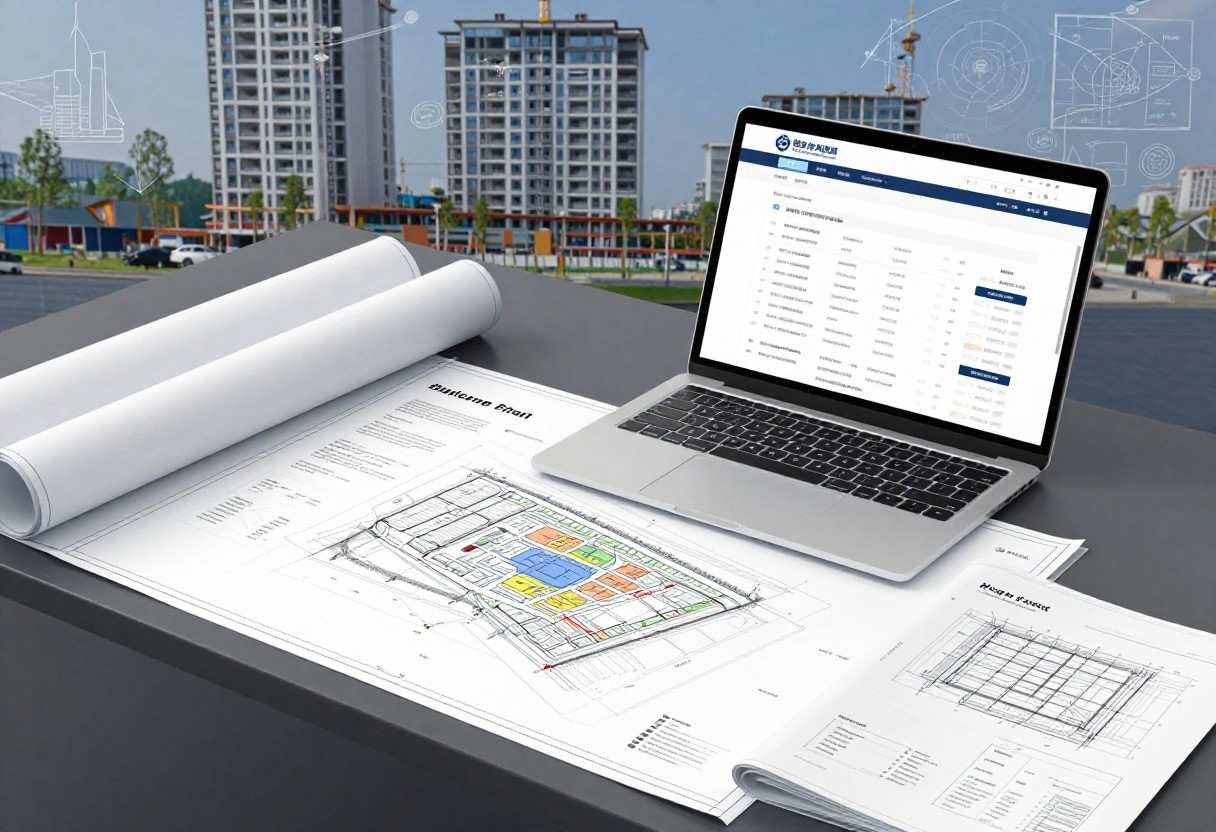
How Online Permit Services Simplify Subdivision Planning
Subdivision planning has become more complex than ever. From zoning compliance and environmental regulations to infrastructure coordination and permit approvals, developers must manage multiple moving parts before construction can even begin. Traditional paper-based permit systems often create delays, confusion, and unnecessary expenses. Today, however, online permit services are transforming the way subdivision projects are planned and approved.
Digital permitting platforms streamline communication, improve document management, and accelerate approvals for developers, engineers, and property owners alike. Combined with professional subdivision design services, these tools help projects move forward with greater efficiency and fewer administrative hurdles.
In this article, we’ll explore how online permit services simplify subdivision planning and why they have become an essential part of modern land development.
The Growing Complexity of Subdivision Planning
Subdivision planning involves dividing a large parcel of land into smaller lots for residential, commercial, or mixed-use development. This process requires careful coordination between planners, surveyors, architects, engineers, and local government agencies.
Before a project receives approval, developers often need to submit:
- Site plans
- Drainage and utility layouts
- Road access designs
- Environmental assessments
- Zoning compliance reports
- Construction documents
Obtaining a Permit For Site Plan approval can be especially time-consuming when handled through outdated manual systems. Missing paperwork, unclear requirements, and lengthy review cycles can delay projects for weeks or even months.
This is where online permit services provide a major advantage.
Faster Permit Approvals Through Digital Systems
One of the biggest benefits of online permit services is speed. Traditional permitting processes usually involve physical document submissions, in-person visits, and repeated revisions. Digital platforms simplify the entire workflow by allowing applicants to upload, track, and manage documents online.
Developers can submit plans electronically, receive automated notifications, and monitor application status in real time. Many municipalities now use online systems that allow multiple departments to review applications simultaneously instead of sequentially.
As a result, subdivision planning becomes much more efficient. Faster approvals mean developers can begin construction sooner, reduce holding costs, and avoid project delays.
Professional subdivision design services also benefit from these digital systems because they can quickly update plans and resubmit revised documents without starting the process from scratch.
Improved Accuracy and Reduced Errors
Errors in permit applications are one of the most common reasons for approval delays. Missing information, outdated forms, or incorrect formatting can force applicants to resubmit documents multiple times.
Online permit services reduce these issues by using standardized submission requirements and automated validation tools. Many systems automatically flag incomplete applications before submission, helping applicants correct mistakes early in the process.
This creates a smoother experience for both developers and municipal reviewers. When paired with experienced subdivision design services, online permitting platforms ensure that plans meet technical and regulatory standards from the beginning.
Digital systems also improve version control. Instead of dealing with multiple paper copies and confusing revisions, all project stakeholders can access the latest approved documents online.
Better Collaboration Between Stakeholders
Subdivision planning requires coordination between many different parties. Engineers, architects, land surveyors, utility providers, environmental consultants, and local authorities all need access to accurate project information.
Online permit services improve communication by centralizing documents and updates in one digital location. Stakeholders can review comments, share revisions, and track progress without relying on endless email chains or physical paperwork.
This collaborative approach significantly improves project management. Developers can respond quickly to feedback from planning departments, while consultants can make real-time updates to drawings and reports.
For example, if changes are needed to obtain a Permit For Site Plan approval, the design team can revise the plans immediately and upload the corrected version to the platform. This reduces downtime and keeps the project moving forward.
Enhanced Transparency and Compliance
Transparency is another important advantage of online permit systems. In traditional permitting environments, applicants often struggle to understand where their application stands or why delays occur.
Digital platforms provide real-time tracking and status updates, making the process more transparent and predictable. Developers can see which department is reviewing the application, what comments have been issued, and what actions are still required.
This visibility helps reduce uncertainty and improves planning decisions.
Online systems also support better regulatory compliance. Municipalities frequently update zoning rules, environmental standards, and building codes. Online permit services often include updated guidelines and checklists that help applicants stay compliant with current regulations.
When combined with expert subdivision design services, these tools reduce the risk of costly compliance issues later in the development process.
Cost Savings for Developers and Municipalities
Time delays in subdivision projects can lead to major financial losses. Holding undeveloped land, paying consultant fees, and waiting for approvals all increase project costs.
Online permit services help reduce expenses in several ways:
- Faster review cycles
- Lower printing and document handling costs
- Reduced administrative workload
- Fewer resubmissions due to errors
- Improved project scheduling
Municipalities also benefit from digital systems because staff can process applications more efficiently. Automated workflows reduce manual data entry and improve record management.
For developers managing multiple projects, the ability to track permits digitally across different locations is especially valuable. Instead of spending hours coordinating paperwork, teams can focus on project planning and execution.
This improved efficiency creates long-term savings for everyone involved in subdivision development.
Supporting Smarter Future Development
As cities continue to grow, the demand for efficient land development processes will only increase. Online permit services are becoming a critical tool for modern urban planning because they support smarter, faster, and more sustainable development practices.
Digital permitting systems can integrate with mapping software, GIS platforms, and planning databases to improve decision-making. This allows planners and developers to better analyze land use, infrastructure capacity, and environmental impacts before construction begins.
At the same time, high-quality subdivision design services ensure that developments are functional, compliant, and aligned with community goals.
Together, digital permit platforms and professional planning expertise create a more streamlined development process that benefits developers, municipalities, and future residents alike.
Final Thoughts
Subdivision planning involves many technical, regulatory, and administrative challenges. Traditional permit systems often slow down projects with paperwork, communication gaps, and approval delays. Online permit services solve many of these problems by creating a faster, more transparent, and more organized process.
From improving collaboration to reducing errors and accelerating approvals, digital permitting platforms play a major role in modern land development. When combined with expert subdivision design services, they help developers secure a Permit For Site Plan more efficiently while ensuring compliance with local regulations.
As the construction and development industry continues to evolve, online permitting technology will remain an essential part of successful subdivision planning.


0 Comments