
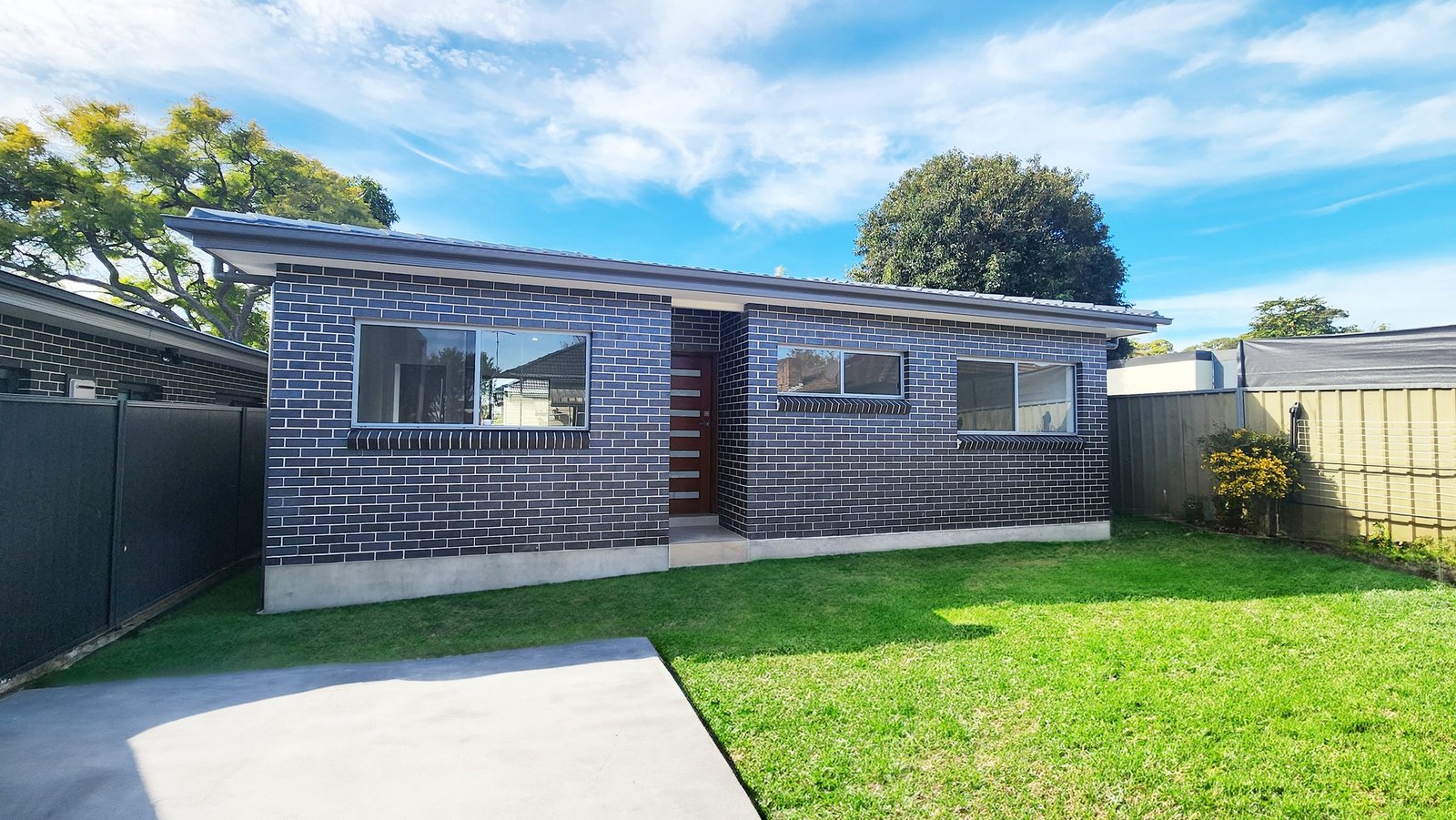
How Granny Flats Solve Sydney's Housing Shortage in 2026
Sydney’s housing shortage in 2026 has reached critical levels, leaving many residents struggling to find affordable, convenient housing. Rising property prices, limited land availability, and population growth have intensified the need for innovative housing solutions. Granny flats—self-contained secondary dwellings built on existing residential lots—offer a practical way to address this challenge, providing both short-term relief and long-term flexibility.
Understanding Granny Flats and Their Benefits
Granny flats are compact, fully functional dwellings that can be constructed in backyards or as extensions to existing homes. They typically include a bedroom, bathroom, kitchen, and living area, allowing residents to live independently while remaining close to family. In Sydney, these dwellings can range from 20 to 60 square metres, depending on council regulations.
The benefits of granny flats extend beyond simply adding living space. They provide a cost-effective solution for homeowners and renters, offering lower construction costs compared to standalone homes. They also increase property value and can generate rental income for owners. Moreover, granny flats promote multi-generational living, enabling families to accommodate aging relatives without compromising privacy.
How Granny Flats Alleviate Housing Shortages
Granny flats directly contribute to easing Sydney’s housing shortage by increasing the city’s housing supply without requiring large land acquisitions. With land scarcity driving up real estate prices, adding secondary dwellings allows more people to live in established neighborhoods.
According to the NSW Government, councils have relaxed planning regulations to encourage the construction of granny flats. This includes streamlining approval processes, increasing maximum floor areas, and allowing dual occupancy on more properties. These policy changes make it easier for homeowners to build additional dwellings, effectively increasing housing availability.
Additionally, granny flats help reduce rental pressure. With Sydney’s median rent rising to over $600 per week for a one-bedroom apartment in 2026, affordable secondary dwellings provide a lower-cost alternative for renters. Small, well-designed flats can offer comparable comfort to apartments while remaining more accessible financially.
Example: A family living in a 4-bedroom house can construct a granny flat in their backyard. Renting it out provides extra income while helping another household secure affordable housing close to essential services, schools, and public transport.
Planning and Building Granny Flats in Sydney
To build granny flats in Sydney, homeowners must consider local council requirements, zoning laws, and design standards. Each council sets specific rules regarding size, height, setbacks, and parking. Understanding these regulations ensures compliance and smooth approval processes.
Construction options include modular units, prefabricated designs, and traditional on-site builds. Modular units are manufactured off-site and installed quickly, reducing construction time to 6–8 weeks. Traditional builds take longer but offer complete customization and flexibility. Homeowners can also choose between single-story and split-level designs depending on land size and site conditions.
When planning a granny flat, it is important to balance functionality and aesthetics. Proper insulation, energy-efficient appliances, and smart storage solutions enhance comfort without increasing costs. Additionally, incorporating natural light and outdoor space improves livability, making small dwellings feel more spacious.
Homeowners looking for a seamless process often work with experienced companies like Master Granny Flats, which provide end-to-end services from design to construction. By opting for professional guidance, homeowners can ensure compliance with council regulations while creating practical, stylish living spaces that add value to their property.
Financial Considerations and Investment Potential
Building a granny flat can be a strategic financial investment. Construction costs in Sydney typically range from $120,000 to $250,000, depending on size, materials, and design complexity. While upfront costs are significant, rental income can offset expenses over time.
For example, a 40-square-metre granny flat renting for $400 per week generates approximately $20,800 annually. After accounting for maintenance and rates, owners may recover initial construction costs in 6–10 years, depending on location and demand.
Granny flats also enhance property resale value. Homes with approved secondary dwellings are more attractive to buyers seeking flexible accommodation options. This dual benefit of rental income and increased resale potential positions granny flats as a financially sensible solution amid Sydney’s housing shortage.
Custom Built Granny Flats and Design Flexibility
One of the key advantages of granny flats is the ability to create custom built granny flats tailored to specific needs. Whether designed for elderly relatives, students, or short-term renters, these homes can be adapted in layout, materials, and finishes.
Customisation also allows homeowners to integrate modern conveniences, such as open-plan living, energy-efficient lighting, and accessible design features. By planning carefully, residents can achieve a balance between privacy, comfort, and style, ensuring the flat meets long-term needs.
Companies like Master Granny Flats specialise in delivering both standard and custom-built designs. Their approach combines local expertise with practical design solutions, ensuring every dwelling complies with Sydney council regulations while maximising livable space. By choosing professional services, homeowners avoid common pitfalls and achieve functional, attractive, and compliant secondary dwellings.
Environmental and Social Impacts
Granny flats contribute positively to both environmental sustainability and social well-being. By utilising existing land, they reduce urban sprawl and preserve green spaces. Smaller dwellings also require fewer construction materials, lower energy consumption, and create less waste than full-scale homes.
Socially, granny flats support multi-generational households, providing housing for older people, young professionals, and students within established communities. This fosters stronger family connections, reduces commuting time, and improves access to local services.
Moreover, affordable secondary dwellings help alleviate homelessness and rental stress by providing cost-effective alternatives to traditional apartments. In doing so, granny flats serve as a practical, sustainable solution for Sydney’s housing challenges.
Choosing the Right Builder for Your Granny Flat
Selecting a reliable builder ensures the project meets budget, timeline, and quality expectations. Homeowners should consider experience, portfolio, council approval knowledge, and client reviews when evaluating providers.
Master Granny Flats stands out in Sydney for its comprehensive service, covering design, approvals, construction, and post-build support. Their experience with both standard and custom built granny flats ensures each project aligns with local regulations while delivering functional, attractive living spaces. Collaborating with an experienced provider reduces stress and ensures that homeowners achieve maximum value from their investment.
By opting for professional construction services, homeowners secure peace of mind, compliance, and long-term usability for their secondary dwelling.
Conclusion
Granny flats offer an effective, flexible, and financially viable solution to Sydney’s housing shortage in 2026. By adding secondary dwellings, homeowners increase housing supply, generate rental income, and enhance property value. Coupled with customisation options and sustainable design, granny flats provide both short-term relief and long-term benefits for residents.







0 Comments