
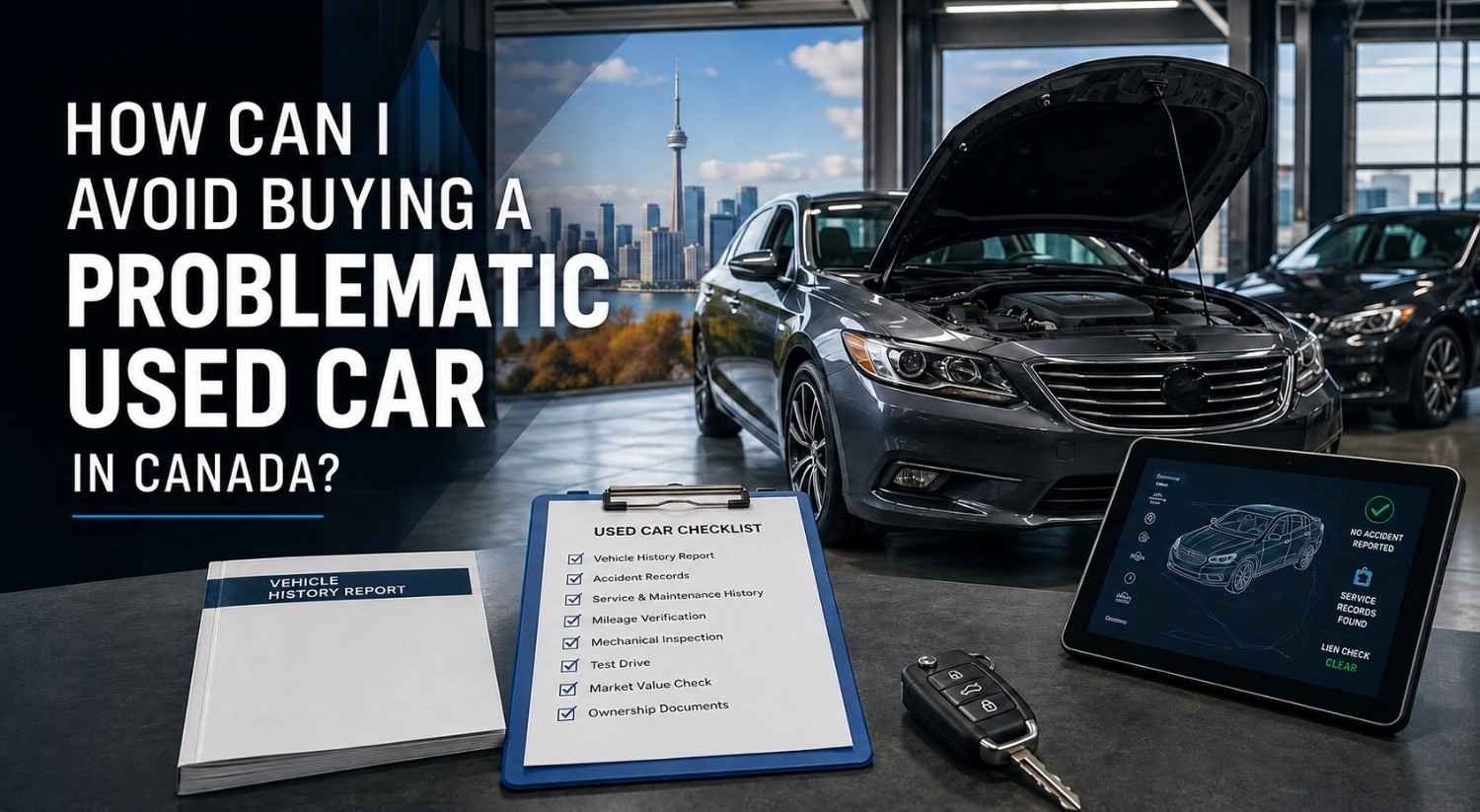
How Can I Avoid Buying A Problematic Used Car In Canada?
Quick Highlights
- Check the vehicle history before meeting the seller.
- Always inspect the car inside and outside carefully.
- Take a full test drive on different roads.
- Hire an independent mechanic before buying.
- Verify all ownership and registration documents.
- Compare similar cars before agreeing on the price.
- Never rush your decision under seller pressure.
Do you want to buy a used car in Canada without wasting your money? A careful approach can help you avoid expensive repairs, hidden damage, and legal problems.
If you know what to check before you buy used vehicles for sale in Surrey, you can find a clean vehicle that fits your budget and gives you peace of mind.
Many used cars are in good condition. Some cars, however, have hidden issues that sellers may not mention. A little research and a proper inspection can save you from future trouble.
Why Is It Important to Check a Used Car Before Buying?
Yes, checking a used car before buying is one of the smartest steps you can take.
A used car may look clean from the outside. It may still have accident damage, unpaid loans, flood damage, or serious mechanical problems. These issues can cost thousands of dollars after the purchase.
Canada has different weather conditions across the country. Snow, road salt, and long winters can increase rust and wear on many vehicles. This makes a detailed inspection even more important.
Buying carefully also helps you:
- Save money on future repairs.
- Avoid unsafe vehicles.
- Get better resale value.
- Feel confident about your purchase.
What Should You Check Before Buying a Used Car?
Start with the vehicle's condition and history.
A complete inspection gives you a better idea of the car's value and reliability.
Check the Vehicle History Report
A vehicle history report tells you important details about the car.
Look for information such as:
- Previous accidents
- Insurance claims
- Odometer records
- Previous owners
- Registration history
- Outstanding liens, if available
Inspect the Exterior
Walk around the car slowly.
Check for:
- Rust around doors and wheel arches
- Uneven paint
- Large dents
- Cracks in the windshield
- Poor body repairs
- Different gaps between body panels
Inspect the Interior
Sit inside the vehicle.
Check:
- Seat condition
- Dashboard warning lights
- Air conditioning
- Heater
- Windows
- Door locks
- Mirrors
- Radio
- Backup camera
How Can You Check the Mechanical Condition?
A professional inspection is the safest choice.
Even if the car looks perfect, hidden mechanical problems may still exist.
Listen During the Engine Start
Start the engine when it is cold.
Listen for:
- Knocking sounds
- Loud ticking
- Heavy smoke
- Rough idle
Test the Brakes
Drive the car safely.
The brakes should stop the vehicle smoothly.
Watch for:
- Grinding sounds
- Vibrations
- Pulling to one side
Check the Suspension
Drive over small bumps.
The ride should feel stable and comfortable.
Too much bouncing or clunking sounds may point to worn suspension parts.
Look Under the Vehicle
Check for leaks under the car.
Look for:
- Engine oil leaks
- Coolant leaks
- Transmission fluid leaks
Why Should You Take a Test Drive?
A test drive helps you find problems that you cannot see while the car is parked.
Drive on city roads and highways if possible.
Pay attention to:
- Steering response
- Brake performance
- Engine power
- Gear shifting
- Suspension comfort
- Strange noises
Should You Get an Independent Inspection?
Yes. An independent mechanic can find problems that most buyers miss.
Many sellers agree to a pre-purchase inspection.
A qualified mechanic can inspect:
- Engine
- Transmission
- Brakes
- Suspension
- Tires
- Battery
- Exhaust system
- Frame damage
What Documents Should You Verify?
Always check the paperwork before paying.
The documents should match the vehicle information.
Verify:
- Vehicle Identification Number (VIN)
- Ownership papers
- Registration documents
- Service records
- Maintenance history
What Are the Common Warning Signs?
Some warning signs should make you think twice before buying.
Be careful if you notice:
- Very low price compared to similar cars
- Seller refuses inspection
- Missing ownership documents
- Odometer readings that seem unusual
- Fresh paint on only one section
- Heavy rust underneath
- Warning lights stay on
- Poor maintenance records
- Strong mould smell inside the car
- Pressure to complete the sale quickly
How Can You Compare Prices Before Buying?
Research the market before meeting the seller.
Check listings from dealerships and private sellers.
A fair market price helps you negotiate with confidence.
Do not focus only on the lowest price. A well-maintained car often offers better value over time.
Compare similar vehicles based on:
- Model year
- Mileage
- Trim level
- Features
- Condition
- Location
Is It Better to Buy From a Dealer or a Private Seller?
Both options have advantages.
A private seller may offer lower prices.
Private sales usually require more careful inspection because warranties are often not available.
Always complete your own checks before making the final decision.
A licensed dealer may offer:
- Vehicle inspections
- Limited warranty
- Financing options
- Consumer protection under provincial rules
What Questions Should You Ask the Seller?
Ask clear and direct questions.
Useful questions include:
- Why are you selling the car?
- Has the car been in an accident?
- How long have you owned it?
- Has it received regular maintenance?
- Are there any known mechanical issues?
- Has any major repair been completed?
- Can I see the service records?
- Can I take it for an independent inspection?
What Final Steps Should You Take Before Buying?
Take your time before making the payment.
Follow these steps:
- Review the vehicle history report.
- Inspect the vehicle carefully.
- Take a complete test drive.
- Get an independent mechanical inspection.
- Verify ownership documents.
- Compare market prices.
- Read the sales agreement carefully.
- Complete the ownership transfer according to your province's rules.
The Bottom Line
Buying a used car from used car dealers in Edmonton becomes much safer when you inspect the vehicle carefully, review its history, verify all documents, and arrange an independent inspection. A careful process helps you avoid costly problems, choose a reliable vehicle, and enjoy your purchase with greater confidence for many years.
FAQS
How can I tell if a used car has hidden problems?
Check the vehicle history report, inspect the car carefully, take a test drive, and ask a trusted mechanic to inspect it before you buy. These steps help you find accident damage, mechanical issues, and other hidden problems.
Should I get a vehicle history report before buying a used car in Canada?
Yes. A vehicle history report shows important details such as accident history, previous owners, mileage records, and possible liens. It helps you make a safer buying decision.
Is a pre purchase inspection worth the cost?
Yes. A pre purchase inspection can identify engine, brake, suspension, and transmission problems before you buy. The inspection fee is usually much lower than the cost of major repairs later.
What documents should I check before buying a used car?
Check the ownership papers, registration documents, Vehicle Identification Number (VIN), and service records. Make sure all details match before you complete the purchase.
What are the biggest warning signs when buying a used car?
Be careful if the seller refuses an inspection, the price seems unusually low, the vehicle has missing documents, warning lights stay on, or the car shows signs of poor maintenance or heavy rust. These signs may point to serious problems.








0 Comments