
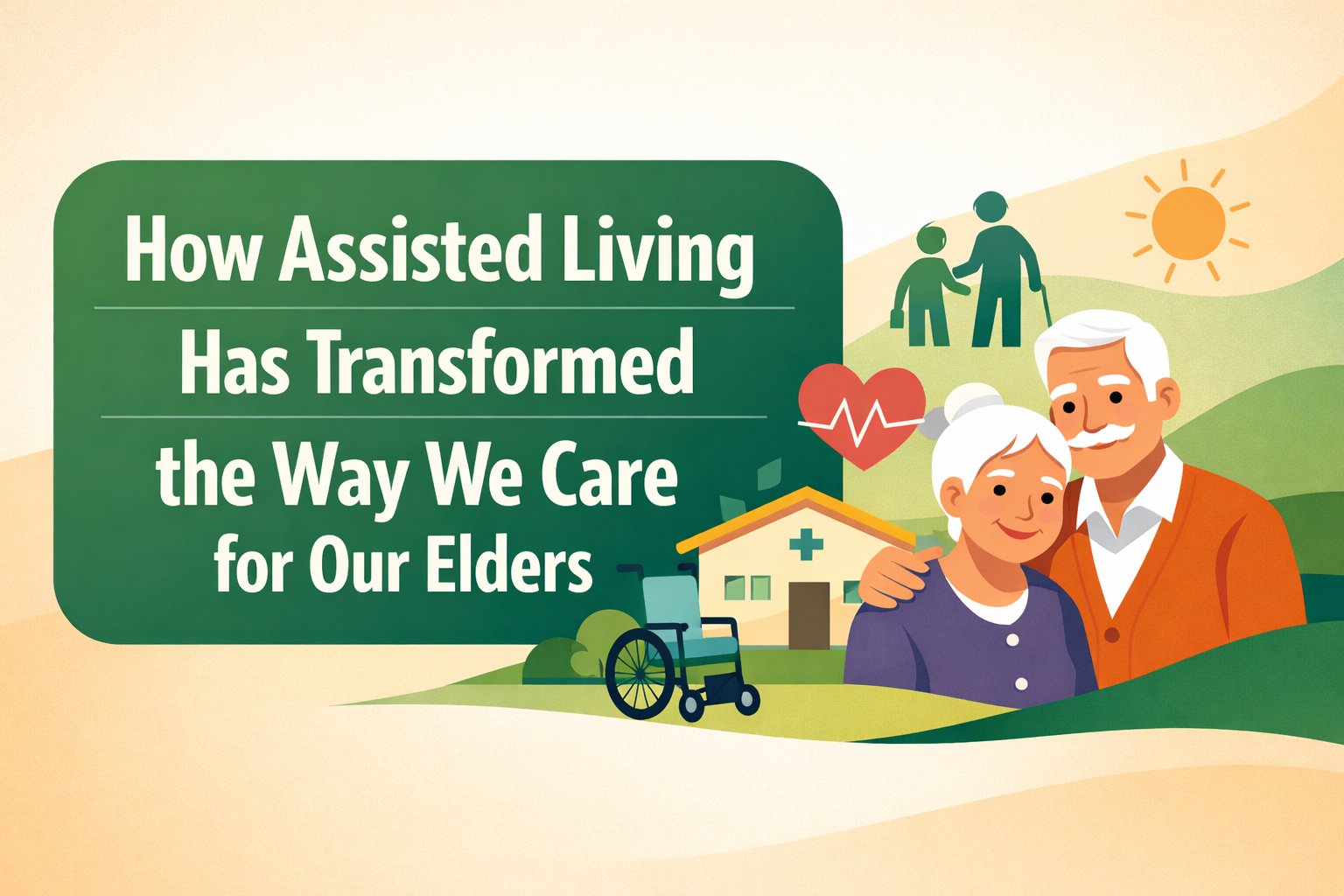
How Assisted Living Has Transformed the Way We Care for Our Elders
Today, the conversation around caring for our aging population has shifted dramatically. Rather than confining seniors to hospitals or nursing homes, many families now seek assisted living facility in Chennai that blend independence with support. This model offers a more holistic approach, prioritizing dignity, community, and personalized care. As technology advances and societal attitudes evolve, assisted living has become a cornerstone of modern elder care, redefining expectations for both residents and their loved ones. The transformation is evident in the growing number of facilities that focus on wellness, safety, and meaningful engagement, setting new standards for quality of life in later years.
From Institutional Care to Community Living
Historically, elder care was dominated by large, institutional settings that often overlooked individual preferences. Families were left with limited options, and residents frequently experienced isolation and a lack of autonomy. Over the past few decades, there has been a gradual shift toward community-based solutions that respect seniors' choices. Assisted living emerged as a middle ground between independent living and full-time nursing care, offering a supportive environment that encourages self-sufficiency. This evolution reflects a broader societal recognition that aging should not equate to losing one's sense of identity or belonging.
Social Connection as a Cornerstone
One of the most significant advantages of assisted living is the emphasis on social interaction. Residents are encouraged to participate in group activities, from art classes to fitness sessions, fostering friendships and reducing feelings of loneliness. These social programs are designed to stimulate cognitive function and emotional well-being, creating a vibrant community atmosphere. By providing structured opportunities for connection, assisted living facilities help seniors maintain a sense of purpose and belonging, which is often missing in more isolated care settings.
Personalized Care Plans that Adapt to Change
Unlike traditional nursing homes, assisted living centers prioritize individualized care plans that evolve with each resident's needs. Staff collaborate with families to tailor services such as medication management, mobility assistance, and dietary preferences. This flexibility ensures that seniors receive the right level of support without feeling institutionalized. The focus on personal autonomy allows residents to make daily choices,what to wear, what to eat, and when to exercise,while still having access to professional help when required.
Technology Enhancing Safety and Convenience
Modern assisted living facilities leverage technology to improve safety and convenience. Smart home devices monitor vital signs, detect falls, and enable quick communication with caregivers. Virtual health consultations reduce the need for frequent hospital visits, making healthcare more accessible. Additionally, digital platforms allow families to stay connected with their loved ones through video calls and shared calendars, bridging the distance between home and facility. These innovations not only enhance the quality of care but also provide peace of mind to both residents and their families.
Economic Considerations and Accessibility
While assisted living may seem pricey at first glance, many facilities offer a range of financial options, including sliding scale fees, insurance coverage, and government subsidies. Compared to the costs of long-term hospitalization or private home care, assisted living often presents a more affordable alternative that still delivers comprehensive support. Moreover, the communal living model reduces overhead for residents, as shared resources and staff help keep expenses manageable. As affordability becomes a key factor, more families are exploring assisted living as a viable, cost-effective choice.
Family Perspectives: A Shared Journey
Families play a crucial role in the assisted living experience. The open communication channels established by many facilities allow relatives to stay informed about their loved one's health and daily activities. This transparency builds trust and reduces the anxiety often associated with elder care decisions. Additionally, many assisted living centers offer family counseling and support groups, acknowledging that caring for an aging parent can be emotionally taxing. By fostering a collaborative environment, these facilities help families navigate the transition with confidence and compassion.
Looking Ahead: The Future of Assisted Living
As demographics shift and technology continues to evolve, the assisted living model is poised for further innovation. Future trends include integrating artificial intelligence for predictive health monitoring, expanding telemedicine capabilities, and designing more inclusive spaces that cater to diverse cultural backgrounds. There is also a growing emphasis on environmental sustainability, with many facilities adopting green building practices and renewable energy sources. These advancements promise to make assisted living not only more responsive to individual needs but also more resilient and adaptable to the challenges of tomorrow.
Conclusion: Choosing the Right Path for Your Loved One
When it comes to caring for seniors, the choice of environment can profoundly impact their quality of life. Assisted living offers a balanced approach that respects autonomy while ensuring safety and support. By embracing community, personalized care, and technological innovation, these facilities have reshaped elder care into a more dignified, engaging, and accessible experience. As families weigh their options, it is essential to consider how these values align with the needs and preferences of their loved ones. Ultimately, exploring retirement homes in Chennai can provide a path that honors both the independence and well-being of seniors, ensuring they thrive in the golden years of their lives.








0 Comments