

Healthcare BPO and the Strategic Role of Outsourcing in a Transforming Industry
The healthcare industry stands at a perpetual crossroads, grappling with an intricate web of escalating costs, evolving regulatory landscapes, technological disruption, and an ever-increasing demand for patient-centric care. Against this complex backdrop, a powerful ally has emerged, silently yet profoundly reshaping operational paradigms: Healthcare Business Process Outsourcing (BPO). Far from merely a cost-cutting measure, healthcare BPO has become a strategic imperative, enabling providers to navigate complexities, enhance efficiency, and, crucially, elevate the patient experience.
At its core, healthcare BPO involves delegating non-core, yet critical, administrative and operational functions to external service providers. This encompasses a vast spectrum of services, ranging from intricate billing and coding to advanced data analytics, and perhaps most visibly, the pivotal role played by the healthcare call center in delivering exceptional customer services. Understanding its multifaceted role is key to appreciating its transformative impact.
The Driving Forces Behind Healthcare Outsourcing
Several compelling factors have propelled the healthcare industry towards embracing outsourcing:
Cost Containment and Financial Efficiency: Healthcare costs continue to spiral, putting immense pressure on providers. Outsourcing offers a pathway to reduce operational expenses by leveraging economies of scale, lower labor costs in certain regions, and specialized technology without significant upfront investment. This allows healthcare organizations to reallocate crucial funds towards direct patient care, innovative treatments, and facility upgrades.
Focus on Core Competencies: The primary mission of hospitals, clinics, and individual practitioners is to provide healing and care. Administrative burdens, while essential, divert valuable time and resources from this core mission. By outsourcing functions like revenue cycle management or appointment scheduling, medical professionals can dedicate their full attention and expertise to diagnosing, treating, and comforting patients.
Access to Specialized Expertise and Technology: The healthcare landscape is riddled with intricate regulations (like HIPAA in the US), complex coding systems (ICD-10, CPT), and rapidly advancing technologies. BPO providers specialize in these areas, offering expertise that might be costly or difficult to maintain in-house. They invest in cutting-edge software, robust security infrastructure, and continuous training, ensuring compliance and efficiency that individual providers might struggle to achieve independently.
Scalability and Flexibility: Healthcare demand often fluctuates, influenced by seasonal illnesses, public health crises, or demographic shifts. Outsourcing offers unparalleled flexibility, allowing organizations to scale operations up or down quickly without the overhead of hiring and training permanent staff. This agility is crucial for responding effectively to dynamic market conditions.
Improved Efficiency and Quality: BPO providers are process-driven, constantly optimizing workflows and leveraging best practices. This often leads to faster turnaround times, reduced errors in billing and coding, and more consistent service delivery, ultimately enhancing the overall quality of operations.
A Spectrum of Services: Where Healthcare BPO Shines
The reach of healthcare BPO extends across virtually every non-clinical touchpoint within a medical organization:
Revenue Cycle Management (RCM): This is arguably one of the most critical and widely outsourced functions. It includes patient registration, insurance verification, medical coding, claims submission, denial management, accounts receivable follow-up, and payment posting. Efficient RCM is the lifeblood of any healthcare provider, ensuring financial stability and reducing administrative overheads. BPO firms, with their specialized coders and billers, can significantly improve claims accuracy and speed, reducing revenue leakage.
Patient Engagement and Customer Services: This is where the healthcare call center plays an indispensable role. Beyond simply answering phones, modern healthcare call center operations provide comprehensive customer services that are integral to the patient experience. This includes:
Appointment Scheduling and Reminders: Streamlining access to care and reducing no-show rates.
Pre-authorization and Eligibility Verification: Helping patients navigate complex insurance requirements.
Patient Inquiries and Information: Answering questions about services, hours, or general medical information (within defined parameters).
Telehealth Support: Assisting patients with technical issues related to virtual consultations.
Post-Discharge Follow-ups: Ensuring continuity of care and preventing readmissions.
Billing Inquiries: Explaining complex medical bills and payment options. These centers are often the first point of contact for patients, and their empathy, efficiency, and accuracy directly impact patient satisfaction and loyalty.
Medical Transcription and Documentation: Converting physician dictations into accurate, comprehensive medical records, ensuring compliance and aiding in proper billing.
Data Entry and Records Management: Digitizing and organizing vast amounts of patient data, supporting electronic health record (EHR) systems, and ensuring data integrity.
IT and Technical Support: Managing network infrastructure, providing helpdesk support for internal staff, ensuring cybersecurity, and developing bespoke healthcare applications. Given the sensitivity of patient data, stringent HIPAA-compliant security measures are paramount here.
Clinical Support (Non-Diagnostic): Functions like remote patient monitoring setup, patient data analysis for population health management, or scheduling for clinical trials can also fall under the BPO umbrella, provided they are non-diagnostic and adhere to strict protocols.
The Healthcare Call Center: A Linchpin for Patient Experience
The evolution of the healthcare call center epitomizes the shift in healthcare BPO from purely transactional to highly relational. No longer just a room full of agents answering basic queries, it is a sophisticated operation equipped with advanced CRM systems, omnichannel communication capabilities (phone, email, chat, SMS), and highly trained professionals.
Agents in a healthcare call center are often required to understand medical terminology, navigate complex insurance policies, and, most importantly, possess exceptional empathy and communication skills. They are the human voice of the healthcare provider, tasked with managing patient expectations, resolving issues, and providing comfort during often stressful times. In a world increasingly focused on value-based care and patient satisfaction, the quality of customer services delivered through these centers directly influences patient retention and an organization's reputation.
Navigating the Challenges: Data Security and Quality
While the benefits are compelling, healthcare BPO is not without its challenges. The most significant concern, by far, is data security and patient privacy, particularly concerning sensitive protected health information (PHI) under regulations like HIPAA. Outsourcing partners must demonstrate ironclad security protocols, robust compliance frameworks, regular audits, and comprehensive data encryption. Any breach can have catastrophic consequences, both legally and reputationally.
Other considerations include:
Quality Control: Ensuring outsourced services consistently meet or exceed internal standards.
Integration Complexity: Seamlessly integrating external processes with internal systems.
Communication Gaps: Maintaining clear and consistent communication between the provider and the BPO partner.
Cultural Alignment: Ensuring the BPO team embodies the values and patient-centric approach of the healthcare organization.
The Future of Healthcare BPO: AI, Automation, and Hyper-Personalization
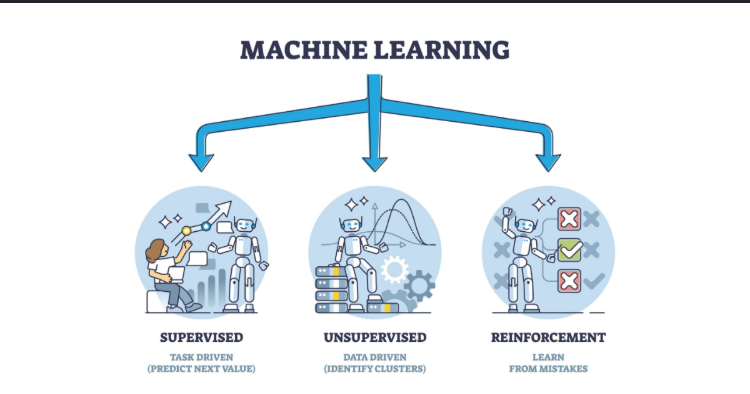
The trajectory of healthcare BPO is undeniably forward-looking, poised for even greater integration with emerging technologies. Artificial intelligence (AI), machine learning (ML), and robotic process automation (RPA) are already beginning to automate routine tasks, such as initial patient inquiries, appointment confirmations, and even some aspects of claims processing. Chatbots and virtual assistants can handle common queries, freeing up human agents in the healthcare call center for more complex or empathetic interactions.
The future will also see an increased focus on hyper-personalization of customer services, leveraging data analytics to offer tailored experiences and proactive engagement. As healthcare moves further into value-based care models, BPO providers will play an even greater role in analyzing patient outcomes, managing population health data, and supporting preventative care initiatives.
Conclusion
Healthcare BPO is no longer a peripheral operational choice; it has evolved into a strategic partner essential for the sustainability and success of modern healthcare systems. By offloading administrative burdens, reducing costs, and providing access to specialized expertise, it empowers healthcare providers to redirect their focus to what truly matters: delivering exceptional patient care. The healthcare call center, as a crucial component of this ecosystem, stands as the empathetic frontline, ensuring that the human element of customer services remains paramount. As the industry continues to transform, outsourcing will undoubtedly continue to evolve, integrating advanced technologies and sophisticated strategies to ensure that the pulse of progress beats strongly in the service of health and healing.







0 Comments