
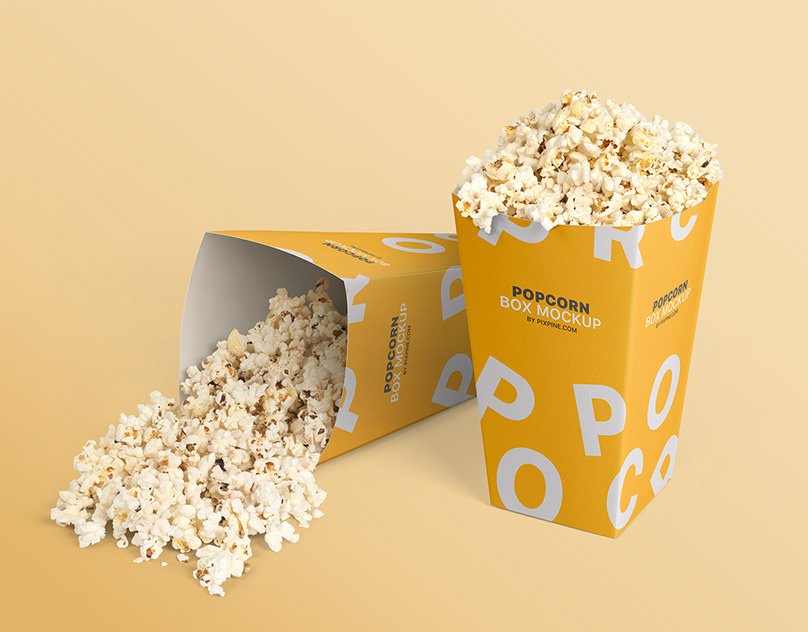
Engineering Popcorn Boxes for the Meal-Replacement Economy
The way people eat is changing. Busy lifestyles demand quick, portable, and convenient food options. Meal-replacement solutions have grown popular, and packaging plays a key role in their success. Innovative containers are being designed to keep food fresh, safe, and easy to consume.
Creating Containers for Busy Lives
People rarely sit down for a full meal anymore. Food packaging must adapt to this lifestyle. Containers need to be light, easy to carry, and simple to open. Engineers study how hands hold and move food packages. They create shapes that fit naturally in hands or bags. Foldable designs and resealable tops make eating on the go easier.
Portion control is another important factor. Containers are sized to match single servings or customizable portions. This helps consumers follow meal plans and avoid waste. Designers also think about stacking and storage. Efficient shapes reduce shipping costs and shelf space. The goal is to combine convenience with practicality, so the container serves multiple purposes without sacrificing comfort or usability.
Using Smart and Sustainable Materials
Sustainability has become a top priority in food packaging. Engineers now prefer recyclable, biodegradable, or renewable materials. Paper-based materials are popular for their lightness and ease of printing. Special coatings prevent oils or moisture from seeping through while maintaining strength.
Advanced materials include plant-based plastics and water-based inks. These reduce environmental impact without compromising performance. Thermal resistance is also key. Containers must hold hot or cold meals safely. By choosing innovative materials, engineers balance eco-friendliness with durability. This ensures containers remain useful, safe, and responsible for the planet.
Adapting Packaging for Full Meals
Packaging is no longer just for snacks. Meal-replacement containers must hold a variety of foods. Engineers design compartments to separate sauces, grains, and proteins. This prevents soggy textures and keeps flavors distinct. Portion sizing is carefully calculated to meet nutritional requirements.
Some designs include built-in utensils or lids that double as plates. Observing consumer behavior helps designers predict how containers are used. They test different angles, folds, and openings to optimize functionality. Good packaging makes meal replacement seamless, enjoyable, and practical for busy lifestyles.
Enhancing Visual and Functional Appeal
Consumers eat with their eyes first. Packaging design must attract attention and communicate quality. Engineers collaborate with designers to integrate shape, texture, and color. Simple, clear labeling highlights ingredients and nutritional facts.
Durability is important for visual appeal too. Printing and finishes must withstand shipping, stacking, and handling. Ergonomic design ensures the container feels good in hand while still looking attractive. A well-designed package enhances the overall experience, supporting both functionality and brand recognition.
Controlling Temperature and Freshness
Maintaining food quality is critical. Engineers design containers with heat-insulating layers and ventilated structures. These features keep meals at the right temperature while preventing condensation. Moisture barriers protect against spills and soggy textures.
Testing ensures that containers balance insulation with airflow. Too much ventilation can cool food too fast, while too little can trap moisture. Specialized coatings repel grease and liquids. Proper thermal and moisture management guarantees meals remain tasty, safe, and appealing from storage to consumption.
Reducing Costs Without Sacrificing Quality
Efficient production is essential for meal-replacement packaging. Engineers optimize manufacturing processes to reduce waste and improve speed. Automated folding, cutting, and assembly techniques lower labor costs.
Materials are carefully chosen for cost-effectiveness without compromising strength. Packaging designs must also be compatible with machines used for filling and stacking. Slight adjustments in shape or fold patterns can save money in transportation and storage. Efficient, high-quality design ensures containers are affordable, functional, and consistent.
Ensuring Safety and Compliance
Food safety is non-negotiable. Engineers make sure containers meet regulatory standards for materials and production. Barrier layers protect against contamination, while surfaces are tested for chemical safety. Labels clearly communicate ingredients, allergens, and expiration dates.
Structural tests verify that containers withstand pressure, stacking, and drops. Thermal resistance is tested for hot meals, while puncture and leak tests prevent accidents. By meeting safety and regulatory requirements, containers protect consumers and maintain brand credibility.
Innovations Shaping the Future
The next generation of packaging focuses on adaptability and intelligence. Smart containers may track freshness, temperature, or portion sizes. Modular designs allow users to combine meals in one convenient package.
Materials continue to evolve, with biodegradable and compostable options leading the way. Technology may integrate QR codes or apps for nutritional tracking. Future designs will balance convenience, sustainability, and digital integration, meeting the demands of a changing food culture. Engineers will continue improving portability, usability, and environmental responsibility to match evolving consumer habits.
Conclusion
Meal-replacement solutions are transforming modern eating. Engineering containers to be portable, safe, sustainable, and visually appealing is essential. Thoughtful designs enhance convenience while protecting food quality. A prime example of this innovation is popcorn boxes, which are being reimagined for full meals on the go. As lifestyles evolve, engineering and design will continue to create practical, eco-friendly, and enjoyable food packaging for everyone.






0 Comments