
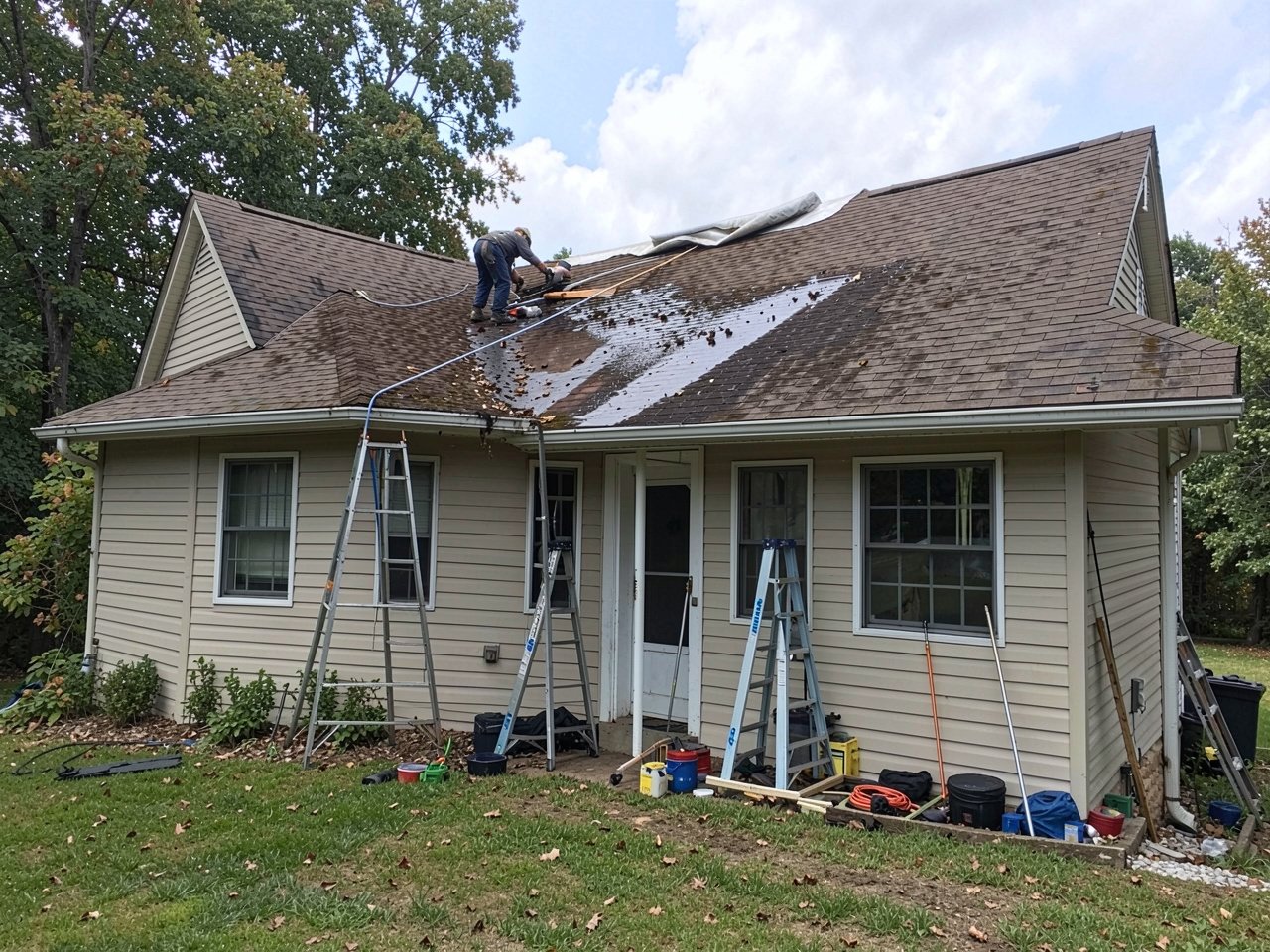
Emergency Roof Leak Repairs: What to Do Before the Roofer Arrives
Roof leaks? Yeah, they rarely rock up when it’s convenient. Usually, it’s right when a massive storm is hammering down, throwing a massive spanner in the works.
Suddenly, your living room is getting an unwanted indoor shower. You can't just cross your fingers and wait days for an expert to arrive. Jumping in and taking action immediately is the only way to prevent the structural breakdown, avoid a serious damp issue and save your skin an immense amount of money. This way, if you're still frantically looking for roof leak repair in Melbourne at the moment, just let out a deep sigh. We've already made all your worries vanish. Here is exactly how you can lock down your home and get everything sorted before the cavalry arrives.
- Get Your Gear Out of the Firing Line
Combining electricity with water means the danger is at its peak level. If there is even the slightest possibility of water reaching nearby downlight fittings or power points, then it will be safer to switch off the power to the room from the mains. Once the risk of sparks has been eliminated, go through your belongings and safeguard them:
- Shift the heavy stuff: Move couches, tellies, and expensive rugs well away from the drip zone.
- Cover what you can't budge: Chuck a thick tarp or plastic sheeting right over the top of heavy, immovable furniture.
- Catch the drips: Grab every bucket or tub you can find. Here’s a cracker of a trick: hang a piece of string from the damp ceiling spot straight down into your bucket. The water will run down the string, putting an end to that maddening splashing sound.
- Pop the blister: When you see that your plasterboard has swollen up as if filled with water, don't just keep looking at it. Take a screwdriver and pierce a very small hole at the centre of the bulge. It is something very strange, I admit. But just by draining the water into a container, you prevent your whole ceiling from falling down on you.
- Play Detective (Safely!)
Finding the actual hole isn't as straightforward as looking straight up. The water often makes different paths through rafters and roof decks before it falls as droplets onto the ceiling. That means, what to do when your roof springs a leak begins getting into the room through the roof will involve doing a few investigations on the indoors.
- Grab a torch: If you have the option of doing so, crawl into the attic or roof space and check for any dark wood stains, wet insulation, or water marks that are very clearly visible.
- Hold your horses: Never, under any circumstances, climb onto a wet roof during a storm. Slipping up there is a genuine fatal risk, so keep your feet firmly indoors and let the pros handle the dangerous outdoor inspections.
- Slap Together a Stopgap Fix
Found the gap from inside the roof space? You can whip up a quick patch to buy yourself some precious time.
- Smear some roofing cement: Apply it generously over the hole from the underside of the roof deck.
- Use heavy-duty tape: Slap some roofing tape over the gap if it is a minor crack.
- Staple up plastic sheeting: This is a brilliant, cheap move to plug the gap from the inside.
- Tarp it (only when the sun is out): Covering the damaged tiles with a tarp is a very effective way of temporarily fixing the damage if the storm is already gone and the outside is 100% safe for the work. The only precaution you ought to take is to make sure it extends beyond the affected area by at least four feet and that the tarp edges are fixed by anchoring the tarp with sandbags or screwing it to timber boards.
- Don't Dilly-Dally on the Paperwork
Your insurance company is going to want hard proof that a specific weather event caused this mess. Do not delay this step!
- Snap photos immediately: Capture the indoor puddles, ruined belongings, and the leak source up in the ceiling. Leave the dangerous high-level roof photography to your contractor.
- Timestamp everything: Save local weather reports or news screenshots to back up your claim, proving a wild storm actually hit your suburb on that specific date.
- Stash your receipts: Keep a paper trail for every single tarp, roll of tape, or bucket you had to buy for temporary fixes.
- Roll Out the Red Carpet for the Experts
First, you have to make sure that everything is ready for the tradesmen. Write down when the leak started, what the weather was and whether there have been roof repairs at one time or another.
Ensure there is a big, straight way through your corridor so the people can have their equipment moved around without being disturbed by the dog. After fixing the water, use fans to dry the damp areas so that the mould will not form.
Conclusion:
Remember, buckets and duct tape won't hold the fort forever. They are strictly temporary band-aids. You need to call in professional roofing contractors in Melbourne as soon as possible. They’ll get up there, find the real culprit, and make sure your home is watertight for the long haul.










0 Comments