
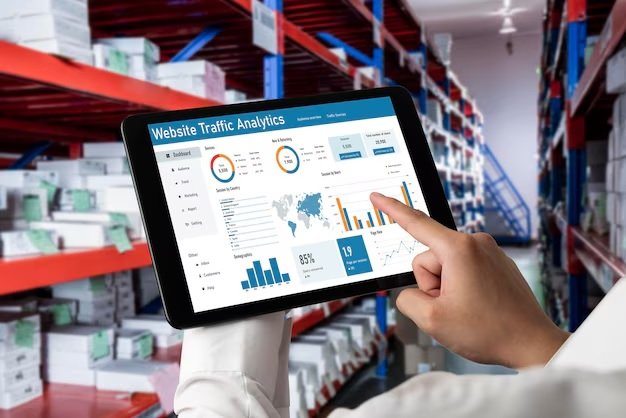
Digital Shelf Analytics Software for E-Commerce & Marketplaces
The appearance, competition, and performance of products in online marketplaces and e-commerce platforms are referred to as the "digital shelf." In contrast to actual shelves, algorithms, search relevancy, pricing dynamics, and consumer feedback all influence exposure. Product quality is no longer the only factor in brand competition. Based on data, response time, and consistency, they compete. As a result, decision-making in online retail environments increasingly relies heavily on digital shelf analytics software.
Why Digital Shelf Analytics Matters
There are many different and dynamic e-commerce platforms. Competitors change their prices every day, product rankings fluctuate, and consumer tastes change rapidly. Brands risk losing market share without knowing why if they are not immediately visible. Digital shelf analytics makes it easier to keep an eye on product display, platform compliance, and performance in comparison to rival products.
Businesses can respond to little problems before they become significant losses because of this understanding. By finding recurrent performance trends across marketplaces, it also aids in long-term planning.
Key Capabilities of Digital Shelf Analytics Software
Digital shelf analytics software mainly keeps an eye on performance metrics that impact discoverability and conversion. These include keyword ranks, share of search, pricing compliance, supply availability, and customer attitude. When combined, these signals show how successfully a product competes in a market.
Advanced platforms, in contrast to simple reporting dashboards, combine several data analytics tools to provide a cohesive view. This guarantees that judgements are founded on consistent, trustworthy facts rather than conjecture and minimises manual tracking.
Improving Product Visibility and Discoverability
One of the main factors influencing online sales is search visibility. Seldom do products that don't show up on the top few result pages become popular. Digital shelf analytics shows gaps in keyword alignment and pinpoints areas where listings decline in ranks.
Brands may improve titles, descriptions, and visuals to better match consumer search behaviour by studying this information. This enhances discoverability over time without unduly depending on sponsored advertisements.
Pricing, Availability, and Competitive Positioning
A key component of any firm is still pricing. Small differences can have an effect on conversion and trust. Digital shelf analytics keeps brands profitable and competitive by tracking pricing patterns across vendors and regions.
Just as important is the availability of stock. Out-of-stock issues can be detected early and resolved with analytics technologies before they have an impact on rankings. This combination of availability and pricing data keeps the product viable and visible throughout the sales cycle.
Role of Reviews and Ratings
Purchase decisions are directly impacted by customer feedback. Negative evaluations can weaken aggressive promotion, while positive ratings can counteract higher prices. Digital shelf analytics keeps track of sentiment shifts and review patterns on many platforms.
This gives brands the ability to recognise recurring problems and take preventative action. Improved review management eventually boosts conversion rates as well as trust.
Marketplace-Specific Challenges
Each marketplace has a different approach. Algorithms, content standards, and customer expectations are all very different. By offering platform-specific insights rather than general averages, digital shelf analytics aids in modifying strategy to handle subtleties.
For brands that simultaneously operate in multiple markets or regions, this flexibility is especially important.
Paxcom and Data-Led Digital Shelf Visibility
Platforms like Kinator by Paxcom provide a targeted method of digital shelf monitoring for businesses looking for organised visibility into online performance. Paxcom's analytics infrastructure allows marketers to monitor rival benchmarking, pricing changes, visibility, and keyword performance all in one location.
These technologies facilitate well-informed decisions instead of reactive modifications by combining complex marketplace data. This method uses a common source of insight to assist teams in coordinating operations, sales, and marketing.
Conclusion
E-commerce success is increasingly determined by how well firms comprehend and control their digital shelf. Relying solely on intuition is no longer practical due to the rapid evolution of marketplaces. With the help of strong data analytics tools, digital shelf analytics software offers the clarity required to remain relevant, competitive, and responsive. Companies that make data-driven visibility investments are better equipped to adjust, maximise, and expand in dynamic online marketplaces.









0 Comments