
Cyber Threat Intelligence and Zero-Day Attacks: How Businesses Can Prepare for Unknown Threats
Cybersecurity teams are facing a difficult challenge: attackers are increasingly exploiting vulnerabilities before organizations have enough time to understand or patch them. These attacks, commonly associated with zero-day vulnerabilities, can create serious risks for businesses across finance, healthcare, manufacturing, technology, and other industries.
As cyber threats become more sophisticated, organizations need more than traditional security tools. They need timely information that helps them understand emerging attack patterns and respond quickly. This is where cyber threat intelligence can become a powerful part of a modern security strategy.
What Makes Zero-Day Threats So Dangerous?
A zero-day vulnerability is a security weakness that is unknown, unpatched, or not yet adequately addressed by the affected organization or vendor. When attackers discover and exploit such weaknesses, defenders may have limited information available at the beginning of an attack.
This creates a difficult situation for security teams. They may need to identify unusual behavior, determine whether systems are being targeted, and protect critical assets before a traditional security update becomes available.
Threat intelligence can help by providing additional context about attack campaigns, threat actors, exploitation techniques, and indicators associated with emerging threats.
Moving Beyond Traditional Security
Firewalls, endpoint protection, vulnerability scanners, and access controls remain important. However, these tools primarily protect against known or identifiable risks.
A modern threat intelligence strategy adds another perspective. Instead of asking only, “Is our system secure?”, security teams can ask:
- Which vulnerabilities are attackers actively targeting?
- Are threat actors discussing our industry?
- Are our digital assets appearing in suspicious activities?
- What techniques are being used in current attack campaigns?
- Which security weaknesses should receive immediate attention?
These questions help organizations move toward a proactive approach to cybersecurity.
How Threat Intelligence Helps During Emerging Attacks
When a new vulnerability becomes a potential target, security teams can use intelligence to understand its relevance. Information about affected technologies, exploitation techniques, malicious infrastructure, and associated threat actors can help organizations prioritize their response.
For example, if intelligence indicates that attackers are actively targeting a particular technology used by a business, the security team can increase monitoring around that technology and investigate unusual activity.
This approach can be especially useful when security teams are dealing with limited time and large volumes of alerts.
The Importance of Continuous Monitoring
Cyber threats do not operate on a fixed schedule. Attack campaigns can develop rapidly, while compromised credentials, malicious domains, and attack infrastructure can change frequently.
Continuous monitoring helps organizations identify new signals and update their understanding of potential risks. Instead of relying on a one-time security assessment, businesses can maintain an ongoing view of the threat environment.
This can also help security teams identify relationships between seemingly unrelated indicators, making it easier to recognize broader attack campaigns.
Combining Intelligence With Incident Response
Threat intelligence becomes significantly more useful when it is integrated into an organization's incident response process.
If suspicious activity is detected, analysts can use intelligence to investigate related indicators, identify potential attack methods, and determine whether the activity is connected to a known campaign. This can support faster containment and investigation.
Organizations with limited internal resources may also use cybersecurity incident response services to strengthen their ability to investigate sophisticated attacks and manage critical security incidents.
AI and the Future of Threat Intelligence
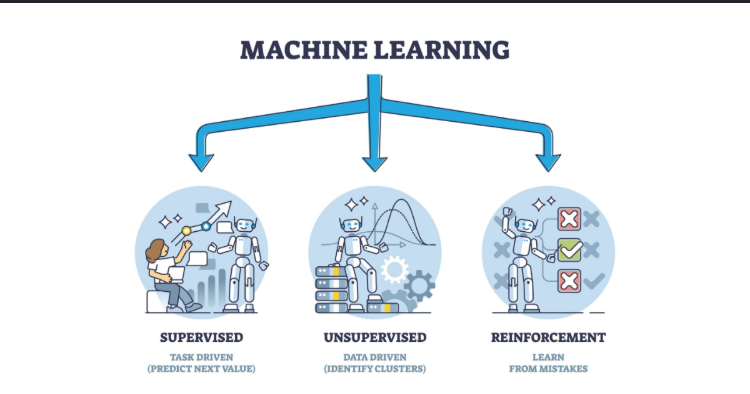
Artificial intelligence is changing how cybersecurity teams process information. Modern systems can analyze huge volumes of data, identify patterns, correlate indicators, and help analysts prioritize suspicious activity.
AI can be particularly valuable when organizations receive intelligence from multiple sources. Instead of manually reviewing every piece of information, automated systems can help identify connections and highlight potentially important threats.
However, human expertise remains essential. Security professionals need to validate intelligence, understand business risks, and determine which defensive actions should be taken.
Preparing for the Unknown
No organization can predict every cyberattack. However, businesses can improve their readiness by developing a strong intelligence-driven security program.
A practical strategy should include continuous monitoring, vulnerability prioritization, employee awareness, strong authentication, network visibility, incident response planning, and regular security assessments. Organizations should also ensure that threat intelligence reaches the people responsible for making security decisions.
Platforms such as falconfeeds can be part of this broader approach by helping organizations gain greater awareness of changing cyber risks.
Conclusion
Zero-day attacks demonstrate why cybersecurity cannot depend entirely on known vulnerabilities and traditional defensive methods. Organizations need the ability to understand emerging threats and adapt quickly as the threat landscape change







0 Comments