
Composite Teeth Filling: Benefits, Cost, Procedure & Long-Term Care Guide
A composite teeth filling is a modern dental restoration made from tooth-colored composite resin that repairs cavities, chipped teeth, worn enamel, and minor fractures. Unlike traditional silver amalgam fillings, composite fillings closely match the natural shade of your teeth, providing both strength and aesthetics. They bond directly to the tooth structure, helping preserve more healthy enamel while delivering a durable and attractive restoration. With proper oral hygiene and regular dental checkups, composite fillings can last many years and maintain a healthy, confident smile.
What Is a Composite Teeth Filling?
A composite teeth filling is a restorative dental treatment designed to repair teeth affected by decay, cracks, chips, or small gaps. The filling material consists of a blend of fine glass particles and high-quality resin that creates a strong bond with the natural tooth.
Because the material can be color-matched to surrounding teeth, composite fillings are virtually invisible once placed. This makes them one of the most popular choices for treating both front and back teeth while maintaining a natural appearance.
Modern dentistry increasingly recommends composite fillings because they combine cosmetic appeal with excellent functionality, allowing patients to smile, eat, and speak with confidence.
When Is a Composite Teeth Filling Recommended?
Dentists may recommend a composite filling for several dental conditions, including:
- Small to medium-sized cavities
- Chipped or cracked teeth
- Worn tooth surfaces
- Replacing old metal fillings
- Closing minor spaces between teeth
- Cosmetic reshaping of teeth
- Repairing teeth damaged by grinding
Since composite resin bonds directly to the tooth, less drilling is often required compared to traditional filling materials, helping preserve healthy tooth structure.
Benefits of Composite Teeth Filling
Composite fillings have become increasingly popular because they offer numerous advantages over conventional restorations.
Natural Appearance
One of the biggest advantages is aesthetics. Composite resin is carefully matched to the natural shade of your teeth, making the restoration almost invisible.
Strong Bonding
The material chemically bonds with the tooth, creating additional support and reducing the risk of fractures.
Conservative Treatment
Because the resin adheres directly to the tooth, dentists usually remove less healthy enamel during treatment.
Mercury-Free
Composite fillings contain no mercury, making them an attractive option for patients seeking metal-free dental restorations.
Immediate Results
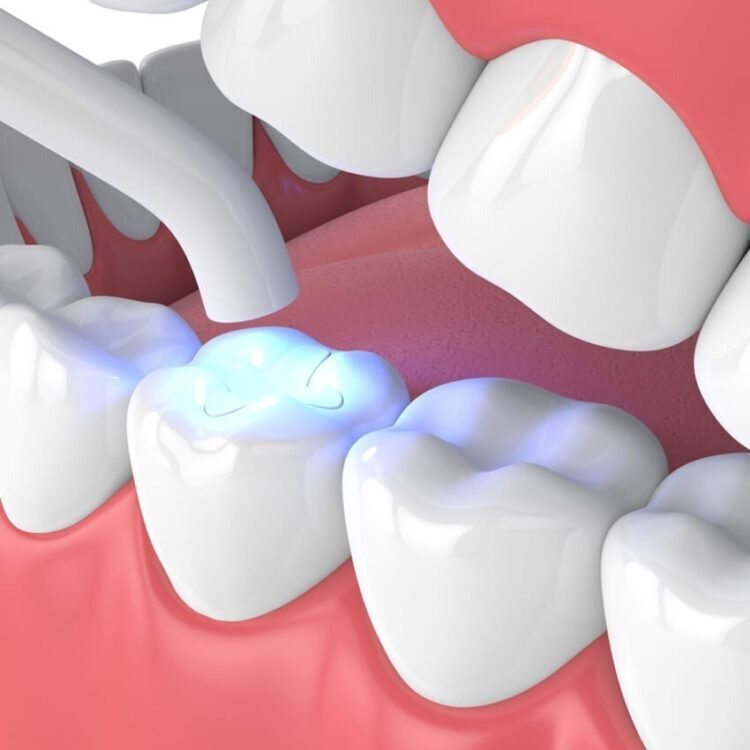
The filling is hardened instantly using a special curing light, allowing patients to resume normal daily activities shortly after the procedure.
The Composite Teeth Filling Procedure
The procedure is straightforward and usually completed within a single dental appointment.
Step 1: Examination
The dentist evaluates the affected tooth using a clinical examination and dental X-rays if necessary.
Step 2: Local Anesthesia
A local anesthetic may be administered to ensure maximum comfort throughout the treatment.
Step 3: Removing Decay
The damaged or decayed portion of the tooth is carefully removed while preserving as much healthy tooth structure as possible.
Step 4: Tooth Preparation
The cleaned cavity is prepared, and an adhesive bonding agent is applied.
Step 5: Layering the Composite Resin
The composite material is placed in multiple thin layers. Each layer is hardened using a specialized blue curing light.
Step 6: Shaping and Polishing
Finally, the dentist shapes, adjusts, and polishes the filling so it blends naturally with surrounding teeth and provides a comfortable bite.
Most appointments last between 30 and 60 minutes depending on the size and complexity of the restoration.
How Long Does a Composite Teeth Filling Last?
The lifespan of a composite filling depends on several factors, including oral hygiene, dietary habits, and the location of the filling.
On average, composite fillings last:
- 5–10 years for moderate restorations
- Up to 12 years or longer with excellent care
- Even longer for small fillings located in low-pressure areas
Routine dental examinations help detect minor wear before larger problems develop.
Composite Filling vs. Amalgam Filling
Both composite and amalgam fillings restore damaged teeth, but they differ significantly.
| Feature | Composite Filling | Amalgam Filling |
|---|---|---|
| Appearance | Tooth-colored | Silver |
| Bonding | Bonds directly to tooth | Mechanical retention |
| Mercury | No | Contains mercury alloy |
| Tooth Preservation | Removes less enamel | Often requires more drilling |
| Cosmetic Appeal | Excellent | Limited |
| Popularity | Very high | Declining |
Many patients now choose composite fillings because they provide superior aesthetics while effectively restoring tooth function.
Caring for Your Composite Filling
Proper maintenance significantly extends the life of your restoration.
Helpful tips include:
- Brush twice daily using fluoride toothpaste.
- Floss every day.
- Limit sugary foods and acidic drinks.
- Avoid chewing hard objects like ice or pens.
- Wear a night guard if you grind your teeth.
- Visit your dentist every six months for professional cleanings and examinations.
Good oral hygiene helps protect both your filling and your natural teeth.
Are Composite Teeth Fillings Safe?
Yes. Composite fillings are considered safe and are widely used by dental professionals worldwide.
Modern composite materials have undergone extensive clinical testing and continue to improve in durability, aesthetics, and wear resistance. For most patients, they provide a reliable long-term solution for treating cavities and minor tooth damage.
If you have allergies or unique dental conditions, your dentist can recommend the most appropriate restorative material for your needs.
Choosing the Right Dental Clinic
Successful composite filling treatment depends not only on the material but also on the expertise of the dental professional.
When selecting a clinic, consider:
- Experienced restorative dentists
- Modern digital diagnostic technology
- High-quality composite materials
- Transparent treatment planning
- Positive patient reviews
- Strong infection control standards
- Comprehensive aftercare support
Patients considering dental care abroad should also evaluate clinic accreditation, treatment quality, communication, and follow-up services before making a decision.
Conclusion
A composite teeth filling is one of the most effective and aesthetically pleasing ways to restore damaged teeth while preserving your natural smile. Whether you have a cavity, chipped tooth, or wish to replace an older metal filling, composite resin offers an attractive, durable, and minimally invasive solution.
With advances in modern dentistry, composite fillings continue to deliver excellent functional and cosmetic outcomes for patients of all ages. Maintaining good oral hygiene, scheduling regular dental visits, and choosing an experienced dental provider will help ensure your restoration lasts for many years.
If you're exploring restorative or cosmetic dental treatment, a composite teeth filling can be an excellent investment in both your oral health and your confidence.








0 Comments