
Common Symptoms That May Point to an Acoustic Neuroma
Many people brush off hearing changes, dizziness, or ringing in the ears as stress, aging, or simple fatigue. While those explanations are often true, some symptoms deserve a closer look. In certain cases, these changes may be linked to an Acoustic Neuroma, a rare noncancerous tumor that develops on the nerve connecting the inner ear to the brain.
Although an acoustic neuroma is not cancerous, it can affect hearing, balance, and facial nerve function as it grows. Because the symptoms often develop slowly, many people do not realize something more serious may be happening until the condition begins to interfere with daily life.
Understanding the warning signs can help you seek medical attention sooner and improve treatment outcomes.
What Is an Acoustic Neuroma?
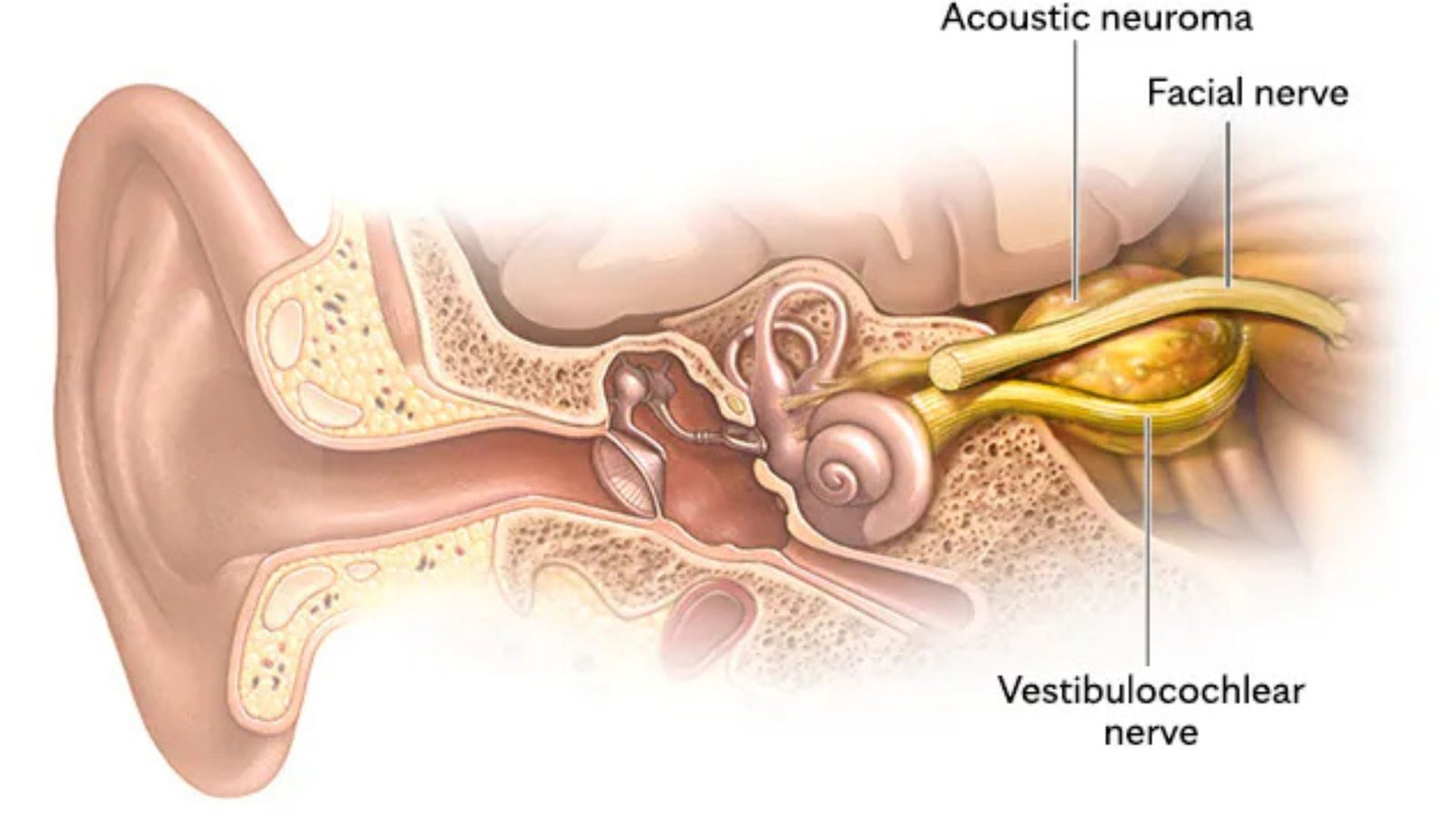
An acoustic neuroma, also called vestibular schwannoma, is a benign tumor that develops on the vestibulocochlear nerve. This nerve plays an important role in hearing and balance. As the tumor grows, it can press against nearby nerves and brain structures, leading to a range of symptoms.
These tumors usually grow slowly, which is why early symptoms can be subtle or easy to ignore.
1. Hearing Loss in One Ear
One of the earliest and most common symptoms is hearing loss that affects only one ear.
Many people first notice this while talking on the phone, watching television, or having conversations in crowded places. Sounds may seem muffled, distant, or unclear on one side.
In some cases, hearing loss develops gradually over months or years. In others, it can appear suddenly.
If one sided hearing loss continues or worsens, it should be evaluated by an ear specialist.
2. Ringing in the Ear
Persistent ringing, buzzing, humming, or hissing in one ear can be another early sign.
This condition is commonly known as tinnitus. While tinnitus can happen for many reasons, including loud noise exposure or ear infections, it can also be associated with an acoustic neuroma.
When tinnitus occurs with hearing loss or balance problems, further testing may be recommended.
3. Problems With Balance
The nerve affected by an acoustic neuroma helps control balance. Because of this, some people feel unsteady when walking, standing, or changing direction.
You may notice:
• Feeling off balance while walking
• Difficulty walking in the dark
• A sensation that the ground feels uneven
• Trouble with coordination during daily activities
These balance issues may develop slowly, making them easy to overlook at first.
4. Dizziness or Vertigo
Some individuals experience dizziness or episodes of spinning sensations. This can feel similar to motion sickness or a sudden loss of orientation.
Not everyone with an acoustic neuroma experiences vertigo, but when it does occur, it may affect work, driving, or normal movement.
Recurring dizziness without a clear cause should be discussed with a healthcare professional.
5. Facial Numbness or Tingling
As the tumor grows, it may put pressure on nearby facial nerves.
This can cause:
• Tingling in the face
• Numbness around the cheek or jaw
• A strange crawling sensation on one side of the face
• Mild facial weakness
Facial nerve symptoms usually appear in larger tumors, but they should never be ignored.
6. Headaches or Pressure Sensations
In some cases, people report ongoing headaches or a feeling of pressure in the head.
This usually happens when the tumor becomes large enough to affect surrounding structures. Headaches alone do not necessarily mean an acoustic neuroma is present, but combined with hearing or balance changes, they may require further evaluation.
When Should You See a Doctor?
If you experience one or more of these symptoms, especially one sided hearing loss, persistent ringing in one ear, or unexplained balance problems, it is worth getting checked.
Doctors often use hearing tests and imaging scans such as an MRI to confirm the diagnosis.
Early detection can make treatment simpler and may help preserve hearing and nerve function.
Final Thoughts
An Acoustic Neuroma may be rare, but its symptoms can have a major impact on quality of life. The challenge is that the warning signs often appear slowly and may seem harmless at first.
Pay attention to changes in hearing, balance, or facial sensation. Recognizing these symptoms early can lead to faster diagnosis and better treatment decisions.
If you or someone you know has noticed these signs, speaking with a medical specialist could be an important next step.
Frequently Asked Questions
Can an acoustic neuroma cause sudden hearing loss?
Yes. Although hearing loss often develops gradually, some people experience sudden hearing loss in one ear.
Is an acoustic neuroma cancerous?
No. An Acoustic Neuroma is a benign tumor, which means it is not cancerous.
Can acoustic neuroma symptoms come and go?
Yes. Symptoms like dizziness, ringing in the ear, or balance changes may appear occasionally in early stages.
How is an acoustic neuroma diagnosed?
Doctors usually diagnose it through hearing tests and imaging studies such as an MRI scan.
Can an acoustic neuroma be treated without surgery?
Yes. Depending on tumor size, symptoms, and growth rate, treatment may include observation, radiation, or surgery.


0 Comments