
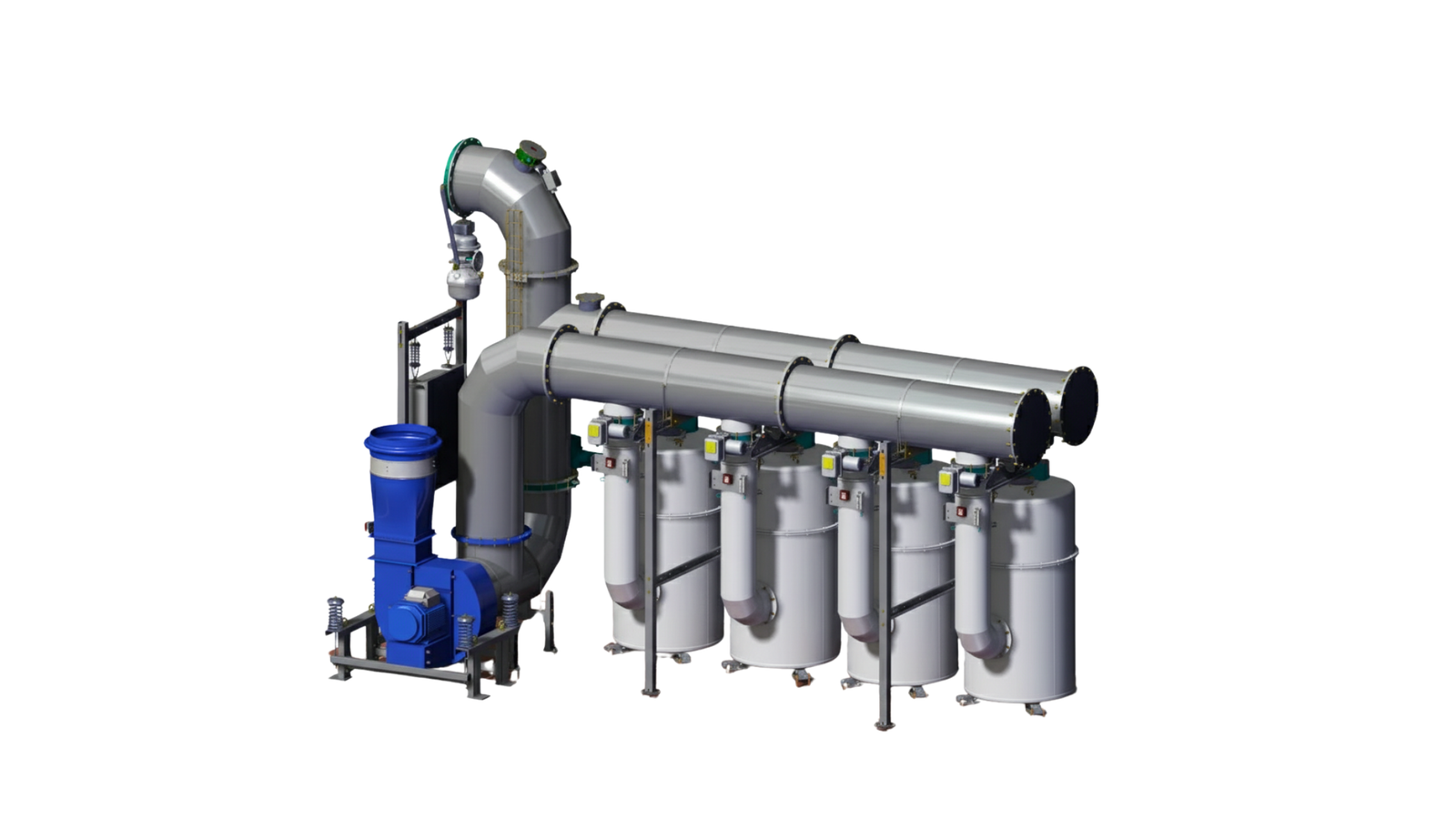
CBRN Filtration System Essentials
An underground emergency operations centre is activated after reports of hazardous airborne contaminants following an industrial chemical release. Within moments, external ventilation is isolated, and the facility transitions to protected air mode. Every decision made during the system's design phase—from filter selection to airflow balancing—now determines whether the occupants remain safe. This is precisely why understanding the fundamentals before investing in a filtration solution is essential.
A CBRN Filtration System is not simply another ventilation component. It is a specialized life-safety system engineered to protect military facilities, government shelters, nuclear installations, and critical industrial infrastructure from nuclear, biological, and chemical threats. Before making an investment, facility owners, defence planners, and industrial engineers should evaluate far more than product specifications. The following seven considerations can help ensure reliable long-term protection and operational resilience.
1. Understand What a CBRN Filtration System Actually Does
A CBRN Filtration System is designed to remove hazardous airborne contaminants while maintaining a safe indoor environment during contamination events.
Unlike conventional HVAC filtration, these systems combine multiple filtration stages with controlled airflow and positive pressurization. Their primary objective is to prevent radioactive particles, biological aerosols, toxic industrial chemicals, and chemical warfare agents from entering protected spaces.
For readers interested in the engineering principles behind modern CBRN Filtration System solutions, understanding multi-stage filtration and contamination control provides valuable technical context before evaluating equipment.
Why Multi-Stage Filtration Matters
Effective protection depends on combining several technologies rather than relying on a single filter.
Typical systems include:
- Pre-filters for coarse particles
- HEPA filtration for microscopic radioactive and biological contaminants
- Activated carbon filtration for toxic gas adsorption
- Positive pressure systems that prevent contaminated air infiltration
Each stage contributes to maintaining breathable air during emergency operations.
2. Every Facility Requires a Different Threat Assessment
No two facilities face identical risks.
A military bunker located near a border installation requires different protection than a petrochemical refinery or a nuclear power plant. Engineers must identify likely airborne hazards before selecting filtration capacity, filter media, and system configuration.
Purchasing an NBC filter system without a formal threat assessment often results in either inadequate protection or unnecessary oversizing.
3. Airflow Engineering Is Just as Important as Filtration
Many buyers focus exclusively on filter efficiency while overlooking ventilation design.
A properly engineered system balances airflow rates, pressure differentials, and occupancy requirements to maintain positive internal pressure. Even highly efficient filters cannot perform effectively if airflow distribution is poorly designed.
Shelter size, emergency occupancy, leakage characteristics, and ventilation demand all influence overall system performance.
4. Modern Systems Combine Protection with Operational Efficiency
Today's filtration technology extends well beyond contaminant removal.
Advanced systems typically include:
- HEPA filtration integration
- Activated carbon adsorption
- Radioactive particle removal
- Biological contaminant protection
- Positive pressure operation
- Corrosion-resistant construction
- Continuous air monitoring compatibility
- Modular expansion capability
- Low maintenance requirements
- Long operational service life
- Energy-efficient fan systems
- Reliable emergency operating modes
These features improve both safety and long-term operational reliability.
5. Choose Equipment Based on Engineering Value, Not Initial Cost
Searches for NBC air filtration system price or Nbc filtration system in Faridabad price are common during project planning. However, acquisition cost alone provides very little insight into overall system value.
Decision-makers should instead evaluate:
- Filtration efficiency standards
- Airflow capacity requirements
- Compliance with defence specifications
- Environmental operating conditions
- Monitoring and control systems
- Installation complexity
- Maintenance accessibility
- Lifecycle operating costs
An engineered solution that performs reliably over decades often delivers greater value than equipment selected primarily for lower upfront expenditure.
6. Evaluate the Manufacturer's Technical Capabilities
Selecting the right supplier is equally important as selecting the equipment itself.
When comparing the Top CBRN filtration system manufacturers in India or the Top NBC filtration system manufacturers in India, buyers should examine technical competence rather than marketing claims.
Key evaluation criteria include:
- Defence and industrial engineering experience
- Manufacturing infrastructure
- Product testing and validation procedures
- Compliance certifications
- Custom design capability
- Technical documentation
- Installation support
- Maintenance services
- Spare parts availability
- Proven long-term reliability
Manufacturers with established expertise are generally better equipped to address complex contamination control requirements.
7. Plan for Maintenance Before Installation Begins
A filtration system remains effective only when it receives proper maintenance throughout its operational life.
Maintenance planning should include scheduled inspection of HEPA filters, activated carbon media replacement, pressure monitoring, airflow verification, sensor calibration, and routine performance testing.
Facilities should also establish clear replacement intervals and maintain sufficient inventory of critical spare components to support emergency readiness.
Where These Systems Are Commonly Used
CBRN protection systems support numerous high-security and industrial environments, including:
- Military shelters
- Underground bunkers
- Defence command centres
- Ammunition storage facilities
- Nuclear power plants
- Chemical processing plants
- Petrochemical facilities
- Government security buildings
- Emergency operation centres
- Strategic infrastructure
- Data centres
- Critical industrial facilities
Although operating environments differ, the engineering objective remains the same: maintaining clean, breathable air during hazardous contamination events.
Common Investment Mistakes to Avoid
Several avoidable mistakes reduce system effectiveness and increase long-term operating risk.
Common issues include:
- Selecting equipment without a detailed threat assessment
- Ignoring airflow calculations
- Underestimating required filtration efficiency
- Choosing equipment based solely on purchase cost
- Neglecting maintenance planning
- Overlooking regulatory compliance
- Failing to maintain positive shelter pressurization
- Ignoring future facility expansion
- Delaying filter replacement
- Skipping commissioning and performance validation
Avoiding these errors significantly improves operational readiness and system longevity.
Conclusion
Investing in a CBRN Filtration System requires careful evaluation of engineering performance, contamination risks, airflow design, maintenance requirements, and manufacturer expertise. A properly selected system should provide dependable protection against nuclear, biological, and chemical hazards while supporting uninterrupted operation of critical facilities.
Whether protecting an NBC filter for bunker, a defence installation, a nuclear facility, or a strategic industrial asset, successful implementation depends on technical planning rather than short-term purchasing decisions. By prioritizing validated engineering, regulatory compliance, lifecycle reliability, and operational resilience, organizations can strengthen infrastructure protection, improve emergency preparedness, and ensure occupant safety when airborne threats become a reality.









0 Comments