
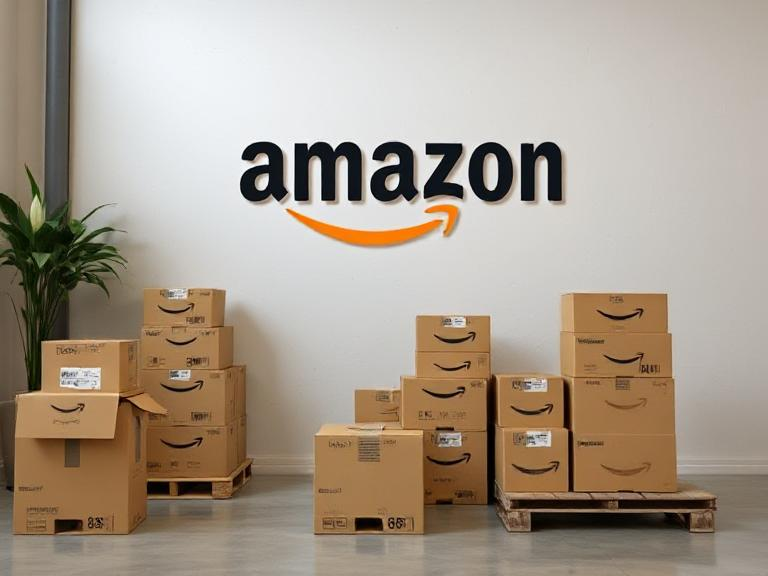
Beginner’s Guide to Amazon FBA Prep and Retail Compliance
Avoiding FBA Penalties: The Ultimate Guide to Amazon Prep & Compliance
Selling on Amazon is one of the fastest ways to reach millions of shoppers worldwide. Through the Fulfillment by Amazon (FBA) program, Amazon manages storage, shipping, customer service, and returns on your behalf. While the process seems straightforward, sellers must follow strict packaging and shipping requirements before inventory reaches Amazon's fulfillment centers.
If your products do not comply with Amazon's guidelines, you may face inventory rejection, unexpected preparation fees, chargebacks, or even suspension of your seller account. Understanding FBA prep requirements is essential for protecting your business and maintaining a healthy seller account.
Important: Amazon has detailed requirements for packaging, labeling, and shipping inventory. Even small compliance mistakes can result in costly penalties and shipping delays.
What Is Amazon FBA Prep?
Amazon FBA Prep refers to preparing products before they are shipped to Amazon fulfillment centers. This process includes inspecting inventory, applying FNSKU labels, protective packaging, poly-bagging, bundling products, and ensuring every shipment follows Amazon's current requirements.
Because Amazon regularly updates its fulfillment standards, many growing sellers trust Keach Fullfillent to prepare shipments accurately and help reduce costly compliance issues.
The Core Pillars of Amazon FBA Prep
1. FNSKU Labeling
Every item shipped to Amazon requires an FNSKU (Fulfillment Network Stock Keeping Unit) barcode that identifies the product with your seller account. Missing or unreadable labels often result in Amazon charging additional labeling fees or rejecting the shipment.
Always verify that every barcode is correctly printed, securely attached, and easily scannable before inventory leaves your warehouse.
2. Poly-Bagging and Suffocation Warnings
Products made from fabric, plush materials, or items that could leak should be sealed inside clear poly bags. If the bag opening measures five inches or more, Amazon requires a visible suffocation warning printed directly on the bag. Proper sealing also protects inventory during transportation and storage.
3. Bubble Wrapping Fragile Products
Fragile products such as glass containers, ceramics, electronics, and liquids should be wrapped securely using bubble wrap. Packaging must be strong enough to withstand Amazon's drop-test requirements, reducing the risk of damaged inventory during handling.
4. Sold as Set Labeling
Products sold as bundles or multi-packs should remain packaged together throughout the fulfillment process. Every bundle should display a clear label stating "Sold as Set – Do Not Separate" to prevent warehouse staff from separating individual items.
The Risks of Non-Compliance
Ignoring Amazon's preparation standards can create immediate operational problems and long-term damage to your seller account.
| Violation | Immediate Consequence | Long-Term Impact |
|---|---|---|
| Missing Barcode | Additional prep fees | Lower account health score |
| Improper Packaging | Shipment rejection | Higher return shipping costs |
| Incorrect Palletizing | Chargebacks and fines | Shipping restrictions |
| Oversized or Overweight Boxes | Shipment delays | Potential account suspension |
Why Work with a Professional 3PL?
Preparing Amazon shipments becomes increasingly difficult as order volumes grow. Managing labeling, packaging, inspections, and freight coordination can consume valuable time that could be spent growing your business.
Partnering with experienced 3pl services allows sellers to outsource these complex fulfillment tasks to professionals. Experienced providers understand Amazon's latest requirements, inspect inventory before shipment, prepare products according to compliance standards, and coordinate deliveries directly to Amazon fulfillment centers.
Professional FBA preparation reduces costly mistakes, improves shipment acceptance rates, and helps sellers maintain strong Amazon account health.
Final Thoughts
Amazon FBA offers tremendous opportunities for e-commerce growth, but success depends on following every compliance requirement correctly. Proper labeling, protective packaging, bundle preparation, and shipment verification help reduce penalties while improving operational efficiency.
By making retail compliance a priority and using reliable fulfillment processes, sellers can protect their inventory, avoid unnecessary fees, and build a scalable Amazon business with confidence.









0 Comments