
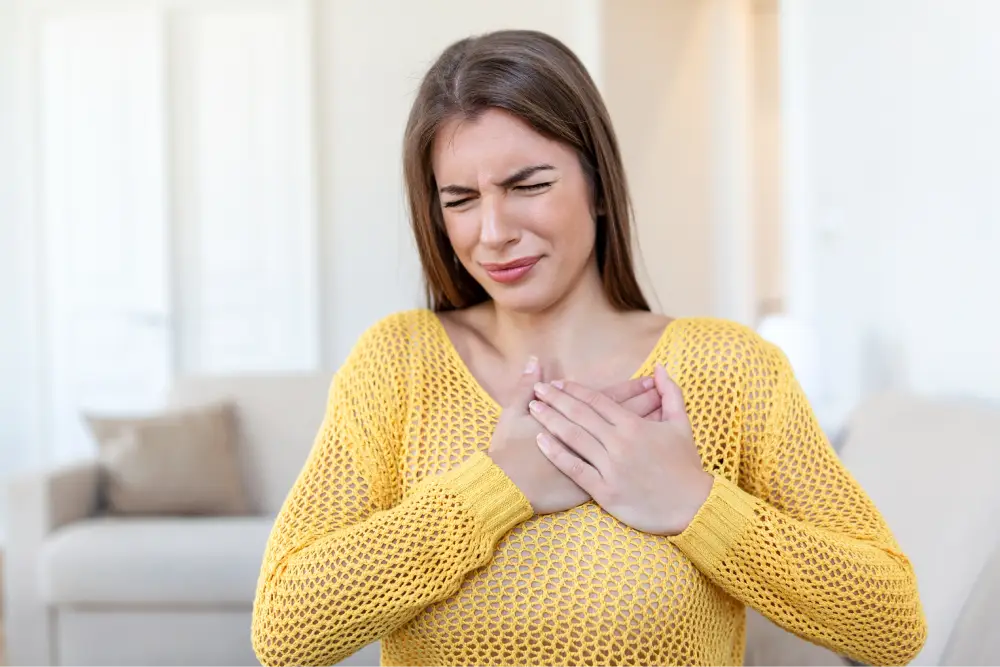
Anxiety and Heart Palpitations: Why It Happens and How to Stop It
If you've ever felt your heart suddenly pound, flutter, or race for no clear reason, you're not alone. Anxiety and heart palpitations are two of the most commonly linked experiences people search for online and for good reason. That racing, thumping sensation in your chest can be frightening, especially when it strikes out of nowhere. The good news is that in most cases, palpitations caused by anxiety are not dangerous, and there are proven ways to calm them down. This article breaks down why anxiety causes your heart to race, what it feels like, how to tell it apart from a real cardiac issue, and what you can do to stop it.
What Are Heart Palpitations?
Heart palpitations are the sensation of your heart beating too hard, too fast, or irregularly. Some people describe it as a fluttering feeling, a pounding in the chest, or a sense that their heart "skipped a beat." Palpitations can last a few seconds or continue for several minutes, and they can happen while you're active, resting, or even trying to fall asleep.
While palpitations can stem from various causes caffeine, dehydration, hormonal shifts, or underlying heart conditions one of the most frequent triggers is anxiety.
Can Anxiety Cause Heart Palpitations?
Yes. Anxiety is one of the most well-documented causes of heart palpitations. When you feel anxious or stressed, your body activates its "fight-or-flight" response. This triggers a surge of adrenaline and cortisol, hormones designed to prepare you for danger even when no real threat exists.
This hormonal surge causes your heart rate to increase, your blood pressure to rise, and your breathing to quicken. For many people, this physical response feels alarming on its own, which can create a feedback loop: the racing heart increases anxiety, and the increased anxiety intensifies the racing heart. This cycle is a major reason palpitations from anxiety can feel like they're spiraling out of control, even though the body is simply reacting to stress hormones.
What Anxiety-Related Heart Palpitations Feel Like
Anxiety heart palpitations symptoms can vary from person to person, but common experiences include:
- A pounding or racing heartbeat
- A fluttering sensation in the chest
- Feeling like your heart "skipped" or added a beat
- Chest tightness or pressure
- Shortness of breath
- Lightheadedness or dizziness
- A sense of doom or panic accompanying the physical symptoms
These symptoms often appear suddenly and can last anywhere from a few seconds to 20–30 minutes, particularly during a panic attack.
Why Palpitations Happen at Night or During Panic Attacks
Many people notice anxiety heart palpitations at night, right as they're trying to relax or fall asleep. This happens because nighttime is often when the mind finally slows down enough to notice built-up stress from the day. With fewer distractions, your body may still be running on leftover adrenaline, making palpitations more noticeable in a quiet, still environment.
During a full panic attack, palpitations tend to be more intense. Panic attack heart racing is caused by an extreme, rapid release of stress hormones, sometimes triggered without an obvious cause. This can result in a heart rate spike, chest tightness, sweating, trembling, and a strong urge to escape the situation even when there's no real danger present.
Anxiety Palpitations vs. Heart Problems — How to Tell the Difference
While anxiety-related palpitations are common and usually harmless, it's important to know when heart palpitations vs anxiety attack symptoms might signal something more serious.
Seek immediate medical attention if palpitations are accompanied by:
- Chest pain or pressure lasting more than a few minutes
- Fainting or near-fainting
- Severe shortness of breath
- Palpitations triggered by physical exertion
- A family history of heart disease combined with new symptoms
- Palpitations that don't resolve and keep escalating
If your palpitations happen mostly during moments of stress, worry, or panic and resolve once you calm down, anxiety is the more likely cause. However, only a healthcare provider can properly rule out cardiac conditions, so it's worth getting checked if palpitations are new, frequent, or concerning.
How Long Do Anxiety-Related Palpitations Last?
A common question is how long do anxiety heart palpitations last. In most cases, they last anywhere from a few seconds to a few minutes. During an intense panic attack, symptoms typically peak within 10 minutes and begin to subside within 20–30 minutes as adrenaline levels drop.
If palpitations persist for hours or occur multiple times daily without any clear anxiety trigger, it's a good idea to consult a doctor to rule out other causes.
How to Stop Heart Palpitations Caused by Anxiety
If you're looking for anxiety heart palpitations treatment or fast relief, these strategies can help:
1. Practice slow, controlled breathing Try box breathing (inhale for 4 seconds, hold for 4, exhale for 4, hold for 4) or the 4-7-8 technique. Slowing your breath signals your nervous system to calm down.
2. Use grounding techniques The 5-4-3-2-1 method (naming things you can see, hear, touch, smell, and taste) can interrupt the anxiety spiral and bring your focus back to the present.
3. Reduce stimulants Caffeine, nicotine, and energy drinks can worsen palpitations by further increasing heart rate. Cutting back can significantly reduce symptom frequency.
4. Move your body Light physical activity, like walking, can help metabolize stress hormones and reset your nervous system.
5. Address the root cause with therapy Cognitive Behavioral Therapy (CBT) is highly effective for anxiety and panic disorders, helping you reframe anxious thoughts before they trigger a physical response.
6. Talk to a doctor about medication if needed For persistent or severe anxiety, a healthcare provider may recommend short-term or long-term medication options alongside therapy.
When to See a Doctor
If palpitations are frequent, worsening, or accompanied by any red-flag symptoms mentioned earlier, don't self-diagnose see a doctor. An EKG, blood tests, or a Holter monitor can help rule out arrhythmias or other cardiac issues and give you peace of mind.
Final Thoughts
Anxiety and heart palpitations are closely connected, and understanding the "why" behind the sensation can make it far less frightening. With the right breathing techniques, lifestyle adjustments, and support from a healthcare provider or therapist, you can reduce how often palpitations occur and feel more in control when they do. If your palpitations are frequent, severe, or you simply want peace of mind, you can consult a cardiologist in Lahore to get a proper evaluation and rule out any underlying heart conditions.
FAQs
Can anxiety cause a fast heart rate all day?
Yes, chronic or generalized anxiety can keep your body in a low-level stress response for extended periods, leading to an elevated heart rate throughout the day.
Are heart palpitations from anxiety dangerous?
In most healthy individuals, anxiety-induced palpitations are not dangerous, though they can feel alarming. Persistent or severe symptoms should always be evaluated by a doctor.
Can anxiety mimic a heart attack?
Yes. Panic attacks can closely resemble heart attack symptoms, including chest pain, racing heart, and shortness of breath. If you're ever unsure, seek emergency care to rule out a cardiac event.









0 Comments