
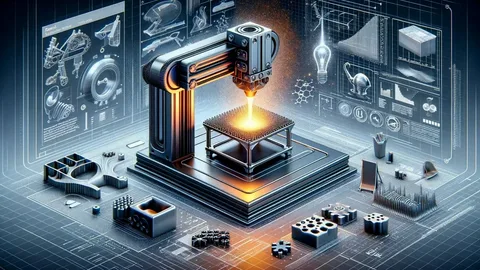
AI and CNC Machining Trends Fueling the Next Industrial Revolution
The manufacturing industry is undergoing a major transformation as advanced technologies reshape traditional production processes. Among the most influential developments are AI and CNC machining trends, which are driving unprecedented levels of efficiency, precision, and automation. Manufacturers worldwide are embracing artificial intelligence and smart machining systems to remain competitive in an increasingly digital marketplace.
The combination of AI and CNC machining is creating a new era of industrial innovation. From predictive maintenance and automated quality control to intelligent production planning, these technologies are revolutionizing how products are designed and manufactured. As businesses seek to improve productivity while reducing costs, AI-powered CNC machining is becoming a cornerstone of the next industrial revolution.
Smart Automation Enhancing CNC Machining Efficiency
Artificial intelligence is transforming CNC machining by introducing smarter automation capabilities. Traditional CNC machines rely heavily on programmed instructions, but AI-enabled systems can analyze data, optimize cutting paths, and adjust machining parameters in real time. This level of intelligence significantly improves operational efficiency while reducing material waste.
Manufacturers can now use machine learning algorithms to identify patterns in production data and make informed decisions automatically. These systems continuously learn from previous operations, allowing them to enhance productivity over time. As a result, AI and CNC machining trends are helping companies achieve higher output levels without sacrificing quality.
Key Benefits of Smart Automation:
- Reduced machine downtime
- Faster production cycles
- Improved machining accuracy
- Lower operational costs
- Enhanced resource utilization
Predictive Maintenance Reducing Unexpected Downtime
One of the most impactful AI and CNC machining trends is predictive maintenance. Unexpected equipment failures can cause costly production delays and significant financial losses. AI-powered monitoring systems analyze machine performance data to detect potential issues before they become major problems.
By using sensors and advanced analytics, manufacturers can predict when components require maintenance or replacement. This proactive approach minimizes unplanned downtime and extends machine lifespan. Predictive maintenance also improves workplace safety by identifying mechanical risks before they lead to accidents or equipment damage.
Advantages of Predictive Maintenance:
- Increased equipment reliability
- Lower repair expenses
- Extended machine life
- Reduced production interruptions
- Better maintenance scheduling
AI-Powered Quality Control Improving Precision
Quality control has always been a critical aspect of CNC machining. However, traditional inspection methods can be time-consuming and prone to human error. AI-powered quality control systems are changing this by providing real-time monitoring and automated defect detection throughout the manufacturing process.
Advanced computer vision technologies can inspect parts with exceptional accuracy. These systems compare manufactured components against digital specifications and immediately identify deviations. As AI and CNC machining trends continue to evolve, manufacturers can maintain stricter quality standards while reducing inspection costs and minimizing defective products.
Benefits of AI-Driven Quality Control:
- Faster inspection processes
- Improved product consistency
- Reduced human errors
- Lower rejection rates
- Enhanced customer satisfaction
Digital Twins Revolutionizing Manufacturing Operations
Digital twin technology is becoming a major driver behind modern AI and CNC machining trends. A digital twin is a virtual representation of a physical machine or manufacturing process. By combining AI with digital twin technology, manufacturers can simulate operations, test scenarios, and optimize workflows before implementing changes on the production floor.
These virtual models provide valuable insights into machine performance and production efficiency. Engineers can identify bottlenecks, evaluate design modifications, and predict outcomes without disrupting actual operations. This capability enables businesses to make smarter decisions while reducing risks associated with production changes.
Applications of Digital Twins:
- Process optimization
- Performance simulation
- Production planning
- Equipment monitoring
- Risk reduction
Intelligent Manufacturing and Industry 4.0 Integration
The rise of Industry 4.0 has accelerated the adoption of AI-driven CNC machining technologies. Smart factories are integrating AI, IoT devices, cloud computing, and advanced analytics to create highly connected production environments. These systems allow machines, software, and operators to communicate seamlessly and share real-time data.
AI plays a crucial role in analyzing massive amounts of manufacturing data and generating actionable insights. Intelligent manufacturing systems can automatically adjust production schedules, optimize inventory management, and improve overall operational performance. As AI and CNC machining trends continue to advance, businesses are moving closer to fully autonomous manufacturing environments.
Industry 4.0 Benefits:
- Real-time production monitoring
- Improved decision-making
- Enhanced supply chain visibility
- Greater operational flexibility
- Increased productivity and profitability
Conclusion
The future of manufacturing is being shaped by powerful AI and CNC machining trends that are redefining efficiency, precision, and innovation. From predictive maintenance and automated quality control to digital twins and smart factory integration, artificial intelligence is helping manufacturers overcome traditional challenges while unlocking new opportunities for growth.
As the next industrial revolution gains momentum, organizations that embrace AI-powered CNC machining technologies will be better positioned to compete in a rapidly evolving global market. By investing in intelligent automation and data-driven manufacturing strategies, businesses can improve productivity, reduce costs, and create a more resilient and sustainable future for industrial production.







0 Comments