
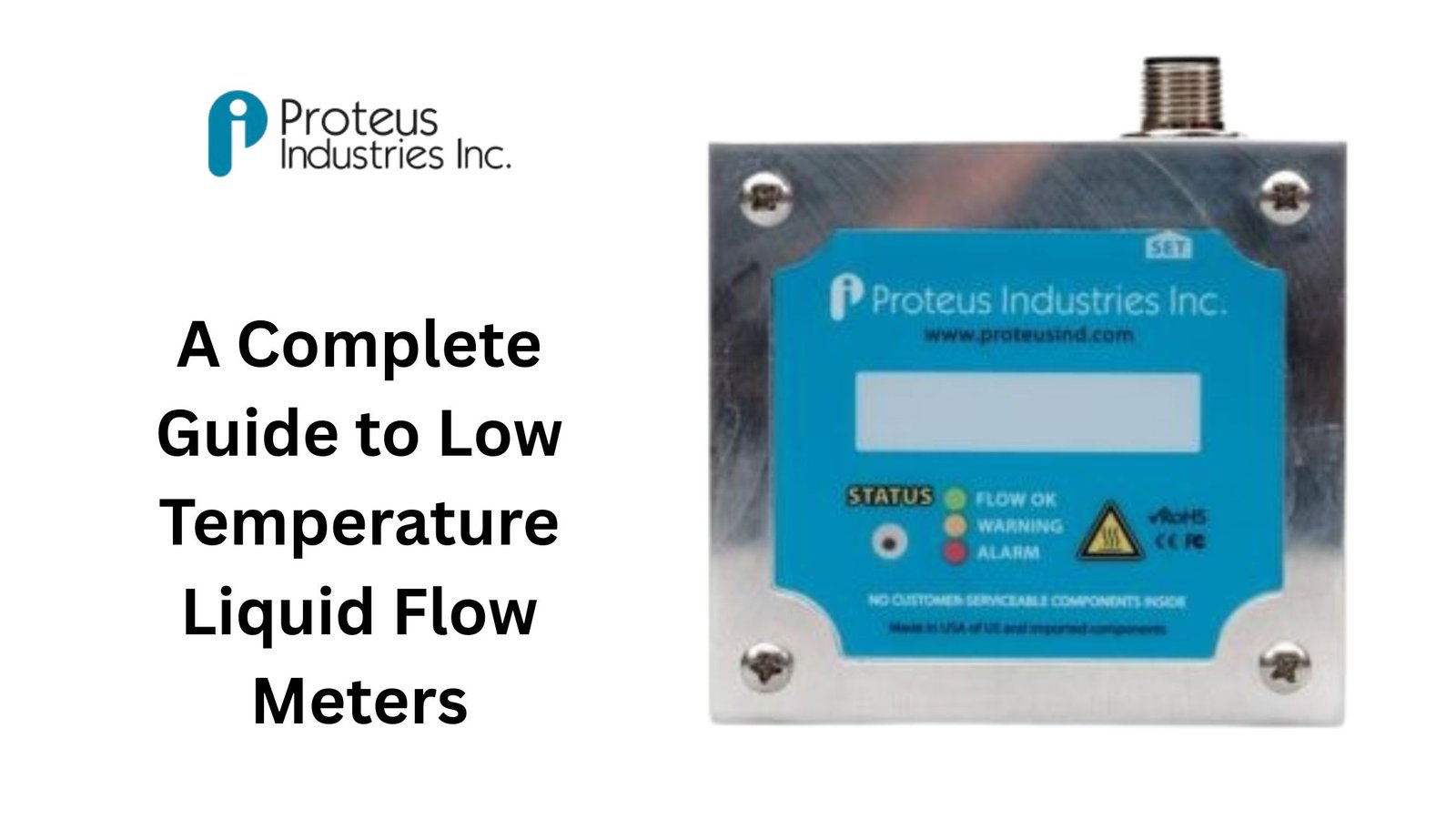
A Complete Guide to Low Temperature Liquid Flow Meters
Accurate liquid flow measurement is a critical requirement in many industrial sectors, especially where liquids are processed or transported at extremely low temperatures. In cryogenic and sub-zero environments, standard measurement devices often fail due to material brittleness, sensor drift, condensation, and electronic instability. This makes specialized flow measurement technology essential. A low temperature liquid flow meter is specifically engineered to perform reliably in harsh cold conditions while maintaining precise and stable measurement accuracy. This comprehensive guide explains what low temperature liquid flow meters are, how they work, key components, applications, benefits, and how to select the right meter for your industrial needs.
What Are Low Temperature Liquid Flow Meters?
A low temperature liquid flow meter is a specialized flow measurement device designed to operate efficiently in environments where temperatures fall below freezing or reach cryogenic levels. Unlike conventional flow meters, these devices use cryogenic-rated materials, advanced sensors, and insulated housings to withstand extreme cold without compromising performance. These meters are commonly used for measuring liquefied gases, chilled liquids, and other fluids that require precise monitoring under cold conditions.
Why Low Temperature Flow Measurement Is Important?
Low temperature flow measurement is vital for maintaining process control, ensuring safety, and optimizing industrial operations. In cryogenic systems, even minor inaccuracies in flow measurement can lead to inefficiencies, product quality issues, or hazardous conditions.
For example, in LNG processing plants, incorrect flow readings can affect energy efficiency, storage safety, and transportation accuracy. In pharmaceutical manufacturing, precise flow control ensures product consistency and compliance with strict regulatory requirements.
Additionally, many industries must adhere to international standards and safety regulations, making accurate low-temperature flow monitoring a legal and operational necessity.
How Low Temperature Liquid Flow Meters Work?
A low temperature liquid flow meter works by detecting the movement of liquid through a pipeline and converting it into an electrical signal that can be displayed or transmitted to control systems. The working principle varies by meter type, but the core process involves sensing flow velocity, volume, or mass.
In low-temperature environments, special design considerations are implemented, such as temperature-compensated sensors, insulated electronics, and materials that resist thermal stress. These features ensure stable signal transmission and prevent measurement drift caused by temperature fluctuations.
Modern low-temperature flow meters often integrate with digital control systems, enabling real-time monitoring, automation, and data logging.
Key Components of Low Temperature Flow Meters
A low temperature liquid flow meter consists of several essential components designed for durability and accuracy in cold environments:
- Flow sensors that detect liquid movement
- Transmitters and electronic circuits that process measurement signals
- Cryogenic-rated seals and materials to prevent leaks and structural failure
- Insulated housings and protective enclosures to shield electronics from condensation and thermal shock
Each component is engineered to maintain performance stability despite extreme temperature fluctuations.
Materials and Design Considerations for Low Temperatures
Material selection is critical for low-temperature applications. Stainless steel, nickel alloys, and other cryogenic materials are commonly used to prevent brittleness and cracking.
Seals and gaskets must remain flexible at sub-zero temperatures to prevent leakage. Thermal insulation reduces heat transfer and prevents condensation or icing on sensitive components.
Design considerations also include resistance to thermal contraction, structural integrity under pressure, and protection against frost buildup.
Factors Affecting Accuracy in Low Temperature Flow Measurement
Several factors can influence the accuracy of a low temperature liquid flow meter, including:
- Fluid properties, such as viscosity, density, and phase transitions
- Temperature variations, which can cause thermal stress and sensor drift
- Installation conditions, such as pipe layout, turbulence, and straight pipe length
- Electrical interference and environmental factors, which can affect signal transmission
Proper calibration, installation, and maintenance are essential to ensure consistent and reliable measurements.
Industrial Applications of Low Temperature Liquid Flow Meters
Low temperature flow meters are widely used in industries that operate under cryogenic or cold conditions, including:
- LNG and cryogenic gas processing facilities
- Chemical and petrochemical industries
- Food and beverage cold processing plants
- Pharmaceutical manufacturing and biotechnology labs
- Aerospace, research laboratories, and scientific testing facilities
These applications require precise flow monitoring to ensure safety, efficiency, and compliance.
Benefits of Using Low Temperature Liquid Flow Meters
Using a low temperature liquid flow meter provides multiple advantages, such as:
- High measurement accuracy and reliability in extreme cold
- Improved process control and operational safety
- Reduced downtime and maintenance requirements
- Long-term cost savings through efficient resource management
These benefits make low-temperature flow meters essential for critical industrial operations.
How to Choose the Right Low Temperature Liquid Flow Meter?
Choosing the right meter requires evaluating several factors, including the type of liquid, temperature range, pressure conditions, and required accuracy. Flow range, installation space, and compatibility with control systems should also be considered.
Industry certifications, safety standards, and maintenance requirements are important factors to consider when selecting a meter for industrial use. A thorough application assessment ensures optimal performance and long-term reliability.
Common Challenges and Solutions
Low-temperature environments pose challenges such as condensation, icing, and thermal-cycling-induced material fatigue. Electronic components may experience drift or signal instability in extreme cold.
Solutions include proper insulation, the use of cryogenic-rated materials, regular calibration, and preventive maintenance practices. Advanced sensor technologies and protective housings also help mitigate these challenges.
Future Trends in Low Temperature Flow Measurement Technology
Future advancements in low temperature flow measurement include smart digital meters integrated with Industry 4.0 platforms. IoT-enabled flow meters provide real-time monitoring, predictive maintenance insights, and remote diagnostics. New materials and sensor innovations will further improve durability, accuracy, and energy efficiency in cryogenic applications.
Conclusion
A low temperature liquid flow meter is an essential instrument for industries operating in sub-zero and cryogenic environments. These meters provide accurate measurement, enhance safety, and optimize process efficiency. By understanding their working principles, types, applications, and selection criteria, industrial professionals can choose the most suitable solution for their specific needs. Investing in the right low-temperature flow measurement technology ensures reliable operations, regulatory compliance, and long-term cost efficiency.







0 Comments