
8 Common Types Of Prefab Building Philippines
Prefab houses Philippines have grown popular due to their efficiency, cost-effectiveness, and flexibility. They are built in sections at factories and then transported to the site for assembly. These buildings suit residential, commercial, and temporary needs. Different types exist to meet various project requirements. Knowing the types helps in selecting a suitable structure for intended use.
1. Modular Prefab Houses
Modular prefab houses are built in factory modules and assembled onsite. Each module is complete with walls, floors, and ceilings. This type speeds up construction and reduces onsite labor. The modules can be designed for residential homes, offices, or commercial spaces. Modular homes maintain quality as factory conditions limit weather-related delays.
2. Panelized Prefab Buildings
Panelized prefab buildings use panels made of wood, concrete, or steel. Walls, roofs, and floors are constructed in factories and transported for onsite assembly. This method allows for precise measurements and quick installation. Panelized buildings suit houses and office structures. The panels are connected onsite to create a stable and durable building.
3. Steel Frame Prefab Houses
Steel frame prefab houses use steel as the main structural material. Steel provides strength and durability while remaining lightweight. These buildings resist termites, mold, and fire better than traditional wood structures. Steel frames are suitable for both single and multi-story buildings. Prefab house Philippines often favor steel frames for long-lasting residential and commercial buildings.
4. Concrete Prefab Buildings
Concrete prefab buildings are made using pre-cast concrete elements. Floors, walls, and columns are manufactured in factories and assembled onsite. Concrete structures provide durability, insulation, and resistance to weather and fire. They are commonly used for residential buildings, schools, and small commercial units. Prefab house Philippines using concrete are known for solid and lasting construction.
5. Container Homes
Container homes are created from repurposed shipping containers. They are structurally strong and portable. Containers can be stacked or connected to form larger buildings. Interior spaces are customized with insulation, partitions, and windows. These homes suit small urban lots or temporary housing. Container-style prefab house Philippines offer an economical and practical housing solution.
6. Portable Prefab Buildings
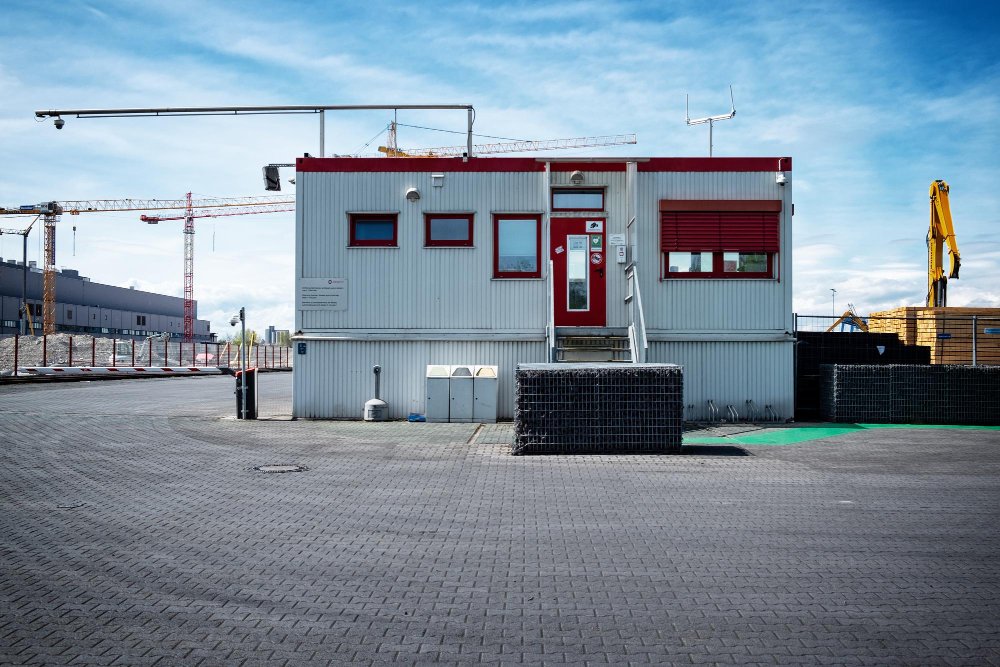
Portable prefab buildings are lightweight and movable. They are designed for temporary or semi-permanent use. These structures are often used as classrooms, offices, or emergency shelters. Portable prefab house Philippines can be relocated with minimal effort. They are quick to assemble and dismantle, making them useful for short-term needs.
7. Timber Frame Prefab Houses
Timber frame prefab houses use wood for structural support. The wood frames are pre-cut and assembled in sections at factories. Timber buildings provide natural insulation and a classic aesthetic. They are common in residential projects, small offices, and vacation homes. Timber-based prefab house Philippines combine traditional appeal with factory precision.
8. Hybrid Prefab Buildings
Hybrid prefab buildings mix materials like steel, timber, and concrete. Combining different materials provides strength, flexibility, and cost balance. Hybrid structures adapt to specific project needs. These buildings can be designed for residential, commercial, or industrial use. Hybrid prefab house Philippines offer tailored construction options depending on size and purpose.
Key Takeaway
Prefab house Philippines come in a variety of types, each with specific advantages. Modular, panelized, steel frame, concrete, container, portable, timber, and hybrid buildings provide options for residential, commercial, or temporary structures. Understanding these types helps identify suitable construction methods. Prefab buildings offer efficiency, durability, and flexibility, making them a practical choice in modern construction projects.








0 Comments