
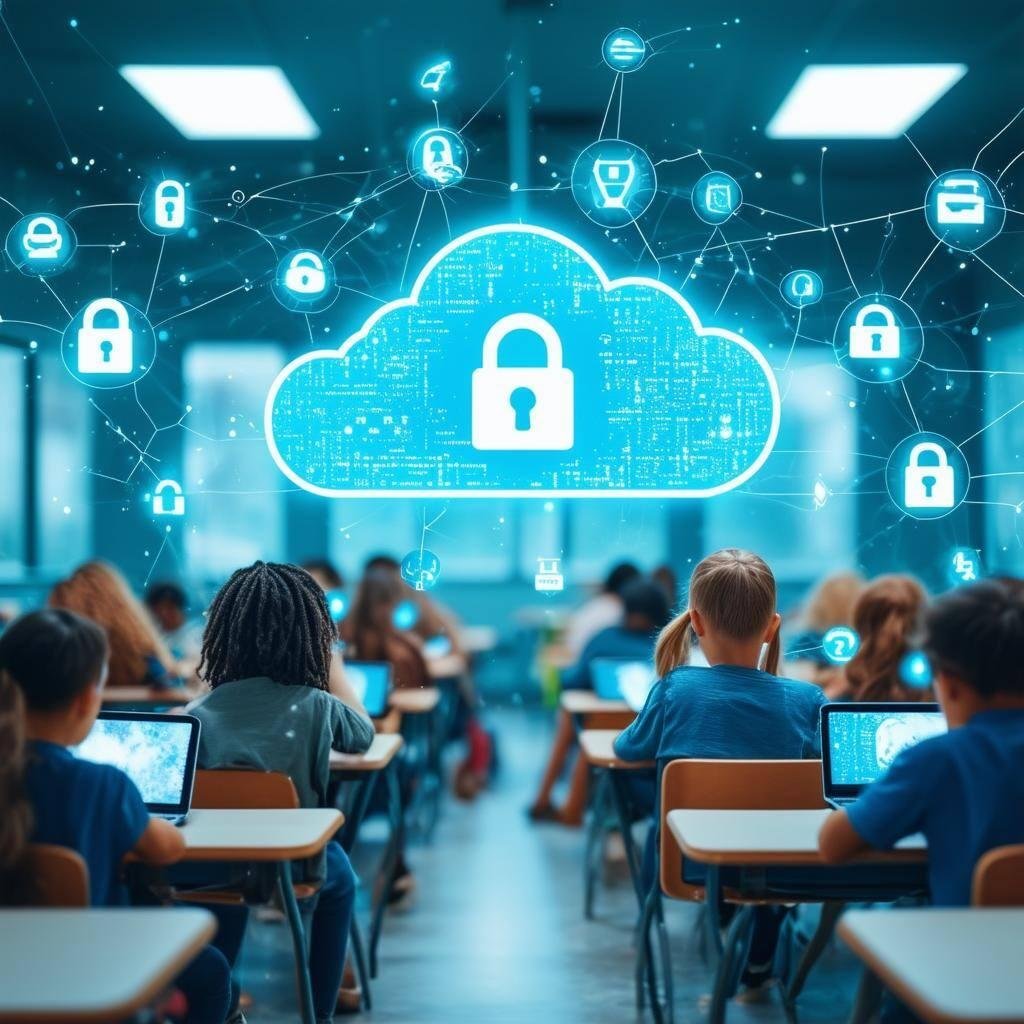
7 Technology Trends Transforming School IT Support
Technology has become an essential part of modern education. Effective IT support for schools is no longer just a technical necessity it is a critical component of educational success .From digital classrooms and online learning platforms to administrative software and cloud based collaboration tools, schools increasingly rely on technology to enhance teaching and learning experiences. As a result, Managed IT Services for School has evolved from basic troubleshooting to a strategic function that ensures educational institutions operate efficiently, securely, and effectively.
To keep pace with changing demands, schools must stay informed about emerging technology trends that are transforming IT support. Here are seven key trends shaping the future of school IT services.
1. Cloud-Based Infrastructure
Cloud computing has revolutionized how schools manage data, applications, and learning resources. Instead of relying solely on on premise servers, educational institutions are adopting cloud solutions for greater flexibility and accessibility.
Benefits include:
- Secure data storage
- Easy access to learning materials
- Reduced hardware costs
- Improved collaboration among students and staff
- Simplified system management
Cloud based platforms allow schools to scale resources as needed while supporting remote and hybrid learning environments.
2. Enhanced Cybersecurity Measures
Schools store sensitive information, including student records, financial data, and staff information. This makes educational institutions attractive targets for cybercriminals.
Modern IT support teams are focusing on:
- Multi factor authentication
- Endpoint security
- Network monitoring
- Data encryption
- Security awareness training
Strong cybersecurity practices help schools protect valuable information while ensuring compliance with privacy regulations.
3. Artificial Intelligence in IT Support
Artificial Intelligence (AI) is becoming an important tool for school IT departments. AI-powered solutions can automate routine tasks, identify potential issues before they become serious problems, and improve overall operational efficiency.
Examples include:
- Automated help desk systems
- Intelligent chatbots
- Predictive maintenance
- Network performance monitoring
AI enables IT teams to respond faster while reducing downtime and support costs.
4. Remote IT Support Services
The growth of digital learning has increased the need for remote IT support capabilities. Students and staff often require technical assistance regardless of their location.
Remote support offers:
- Faster issue resolution
- Reduced service interruptions
- Lower operational costs
- Increased accessibility for users
With secure remote access tools, IT professionals can diagnose and resolve many technical problems without being physically present.
5. Smart Classroom Technology
Interactive displays, digital whiteboards, educational applications, and connected devices are becoming standard features in modern classrooms.
IT support teams are responsible for:
- Device management
- Software updates
- System integration
- Network connectivity
- Technical troubleshooting
Effective support ensures that classroom technology remains reliable and enhances the learning experience rather than creating disruptions.
6. Mobile Device Management (MDM)
Many schools provide students and staff with laptops, tablets, and other mobile devices. Managing hundreds or even thousands of devices can be challenging without the right tools.
Mobile Device Management solutions help schools:
- Monitor devices remotely
- Enforce security policies
- Install updates automatically
- Protect sensitive information
- Track device usage
MDM technology simplifies administration while improving security and device performance.
7. Data-Driven Decision Making
Educational institutions are increasingly using analytics to improve student outcomes and operational efficiency. IT support teams play a critical role in maintaining the systems that collect, store, and analyze data.
Data analytics can help schools:
- Monitor academic performance
- Identify learning trends
- Optimize resource allocation
- Improve operational planning
- Enhance student engagement
Reliable IT infrastructure ensures that decision makers have access to accurate and actionable information.
The Growing Importance of Proactive IT Support
As technology becomes more integrated into education, schools can no longer rely solely on reactive IT support. Modern educational institutions require proactive strategies that focus on prevention, security, scalability, and continuous improvement.
By adopting emerging technologies and best practices, schools can create a more reliable and innovative learning environment for students, teachers, and administrators.
Conclusion
Technology continues to reshape the educational landscape, making effective IT support more important than ever. Cloud computing, cybersecurity, artificial intelligence, remote support, smart classroom technology, mobile device management, and data analytics are transforming how schools manage their technology infrastructure.
Schools that embrace these trends will be better equipped to support learning, enhance security, improve efficiency, and prepare students for a technology driven future. Investing in modern IT support is not just about maintaining systems it's about creating an environment where education can thrive.
Frequently Asked Questions
1. Why is IT support important for schools?
IT support ensures that educational technology, networks, devices, and software operate efficiently. It helps schools maintain secure systems, reduce downtime, and provide a seamless learning experience for students and staff.
2. How is cloud computing transforming school IT support?
Cloud computing allows schools to store data securely, access resources remotely, improve collaboration, and reduce infrastructure costs while supporting flexible learning environments.
3. What role does cybersecurity play in school IT management?
Cybersecurity protects sensitive student, staff, and administrative data from cyber threats. Strong security measures help schools prevent data breaches, ransomware attacks, and unauthorized access.
4. How can artificial intelligence improve IT support in schools?
AI can automate routine tasks, monitor system performance, identify potential issues before they occur, and provide faster technical assistance through intelligent support tools and chatbots.
5. What is remote School Network Support Services?
Remote IT support enables technicians to troubleshoot and resolve technical issues without being physically present, reducing downtime and ensuring faster problem resolution.
6. What are smart classrooms?
Smart classrooms use technology such as interactive whiteboards, digital displays, educational software, and connected devices to enhance teaching, collaboration, and student engagement.
7. Why is mobile device management important for schools?
Mobile Device Management (MDM) helps schools monitor, secure, update, and manage student and staff devices from a centralized platform, improving both efficiency and security.


0 Comments