
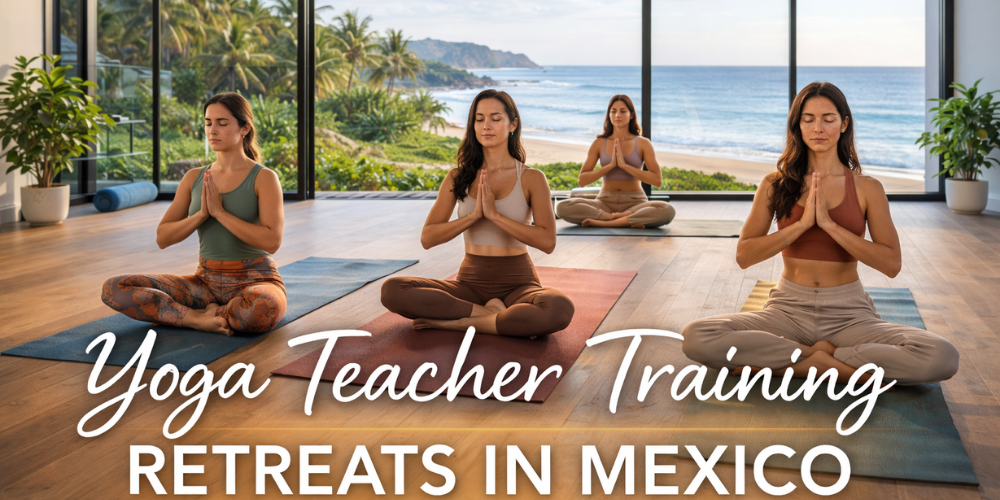
Yoga Teacher Training Retreats: A Life-Changing Journey of Study, Stillness, and Self-Discovery
There comes a moment in many practitioners’ lives when weekly yoga classes no longer feel like enough. The body grows stronger, the breath becomes steadier, and the mind more aware—but something deeper calls for attention. That calling often leads to immersive experiences designed to expand understanding far beyond posture practice. This is where yoga teacher training retreats enter the picture.
Unlike standard certification courses that stretch over months in busy cities, retreat-based trainings invite you to step away from everyday life and fully immerse yourself in study, reflection, and transformation. They combine structured education with intentional living, offering an environment where growth unfolds naturally and profoundly.
This article explores what makes these retreats unique, why destinations like Mexico have become global hubs for immersive yoga study, and how you can determine whether this path aligns with your personal journey.
The Meaning Behind a Retreat-Based Training
The word “retreat” implies withdrawal—but not in a negative sense. It means stepping back from noise, distraction, and obligation in order to move closer to clarity and purpose. When applied to teacher training, the concept becomes powerful.
In retreat settings, yoga is not confined to scheduled classes. It becomes a lifestyle. You wake up with intention. You practice in community. You eat mindfully. You study philosophy in open air. You reflect in silence under the stars. Every element of the day supports integration.
This immersive rhythm allows lessons to sink deeper. Instead of compartmentalizing yoga into a single hour, participants begin to live it continuously.
Why Immersion Accelerates Growth
There is something transformative about removing daily distractions. Emails pause. Social media fades. Work responsibilities temporarily dissolve. In their place, spaciousness appears.
Within that space, self-awareness expands. Physical habits become clearer. Emotional patterns surface. Mental chatter quiets. The body adapts to consistent practice more quickly, and philosophical teachings feel less abstract because they are experienced directly.
Many students describe retreat-based learning as compressing years of personal development into a few focused weeks.
Yoga Retreats in Mexico: A Natural Sanctuary for Study
Among global destinations, Mexico stands out as one of the most sought-after locations for immersive yoga programs. From desert coastlines to jungle sanctuaries, the natural landscapes create an atmosphere of grounding and inspiration.
The climate supports year-round outdoor practice. Sunrises over the ocean become morning meditation companions. Evenings carry the sound of waves or desert winds, deepening reflection.
Beyond nature, Mexico’s cultural warmth and hospitality add to the experience. Local cuisine often aligns beautifully with yogic principles, offering fresh, nourishing meals that support daily practice.
Because of accessibility and diverse landscapes, many yoga retreats in Mexico blend comfort with authenticity, allowing students to study deeply without sacrificing safety or convenience.
The Structure of a Typical Training Retreat
Though each program differs, most immersive teacher trainings follow a structured yet balanced schedule. Days often begin early, when the mind is calm and receptive. Morning asana sessions awaken the body and prepare students for focused learning.
Late mornings may include anatomy lectures or philosophy discussions. Afternoons often bring teaching practice or alignment workshops. Evenings tend to slow down with meditation, restorative practice, or group dialogue.
This daily rhythm fosters discipline while maintaining sustainability. The balance between intensity and rest prevents burnout and encourages steady integration.
Core areas of study generally include:
Asana technique and intelligent sequencing
Functional anatomy applied to movement
Breathwork and pranayama methods
Meditation techniques
Yogic philosophy and ethics
Teaching methodology and confidence building
Rather than memorizing information, students embody it through repetition and discussion.
Emotional Expansion and Inner Work
Physical improvement is only one dimension of retreat-based learning. Emotional transformation often becomes the most profound aspect.
When distractions fall away, buried feelings may surface. Doubts, fears, and old narratives sometimes rise to awareness. In a supportive training environment, these experiences are not suppressed but explored gently.
Group sharing circles encourage honesty and vulnerability. Teachers guide students through reflective exercises that cultivate compassion toward themselves and others.
By the end of the retreat, many participants report greater emotional resilience and a stronger sense of authenticity.
Building Teaching Presence
Teaching yoga requires more than understanding posture alignment. It demands presence, clarity, and empathy. Retreat-based trainings create ample opportunity to develop these qualities.
Students practice leading peers in small groups. They learn how to project their voices calmly and confidently. Feedback sessions refine cueing skills and sequencing logic.
Gradually, nervousness transforms into grounded assurance. The immersive setting accelerates this process because practice happens daily rather than sporadically.
The Role of Community
One of the most treasured aspects of yoga teacher training retreats is community. Living and learning alongside others creates deep bonds.
Shared challenges, shared breakthroughs, shared meals—these experiences build trust quickly. Many participants leave with lifelong friendships formed through collective growth.
Community also provides accountability. When motivation dips, fellow students offer encouragement. When insights emerge, they are celebrated together.
This sense of belonging often becomes one of the most healing elements of the entire journey.
Midway Reflection: Choosing the Right Program
At the heart of any transformative retreat lies thoughtful program design. Skilled teachers, structured curriculum, and supportive environments create the container within which growth unfolds.
Well-established programs, including those offered by Yandara, often emphasize balance—discipline without rigidity, introspection without isolation, and challenge without overwhelm. Such balance ensures that participants feel safe while stretching beyond comfort zones.
Choosing a retreat involves evaluating not only curriculum but also energy. Speak with alumni. Observe how teachers communicate. Trust how the environment makes you feel.
Physical Transformation Through Consistency
Daily practice brings noticeable physical evolution. Strength increases steadily. Flexibility deepens safely. Alignment awareness sharpens.
More importantly, students develop a respectful relationship with their bodies. Instead of striving for extreme poses, they learn sustainable techniques that protect joints and muscles long-term.
Understanding how to modify postures for diverse bodies becomes essential for those who plan to teach. Retreat-based repetition reinforces this knowledge naturally.
Philosophy as a Living Practice
Yoga philosophy often feels abstract when studied in isolation. In retreat environments, teachings come alive.
Concepts such as non-violence, truthfulness, and discipline are explored not just intellectually but practically. Students witness how these principles apply to communication, food choices, and self-talk.
This integration transforms philosophy from theory into lived experience.
Nutrition and Mindful Living
Food becomes part of the education. Most retreats offer balanced, plant-forward meals designed to sustain energy without heaviness.
Eating mindfully in community reinforces awareness of how nourishment affects mood and focus. Participants often carry these habits home, continuing to live more intentionally.
Sleep patterns also improve. Early mornings and reduced screen time help restore natural circadian rhythms.
Challenges Along the Way
Immersive experiences can feel intense. Physical soreness, emotional vulnerability, and mental resistance are common.
However, these challenges often mark the threshold of growth. With guidance and community support, students learn to navigate discomfort skillfully.
Rather than avoiding difficulty, they discover resilience.
Life After Graduation
Completing a retreat-based training marks the beginning of a new chapter. Some graduates begin teaching immediately. Others integrate yoga principles into careers unrelated to fitness.
Confidence, clarity, and community connections continue long after returning home. Many alumni revisit retreat centers for advanced studies or simply to reconnect.
The habits formed during immersion—consistent practice, mindful breathing, reflective journaling—often become lifelong anchors.
Is a Retreat Right for You?
If you seek more than a certificate, if you crave depth rather than convenience, and if you feel ready to step fully into your growth, immersive study may be ideal.
It requires commitment. It requires openness. But it rewards participants with transformation that extends beyond professional credentials.
Final Thoughts on Yoga Teacher Training Retreats
In a world driven by speed and distraction, stepping away can feel radical. Yet within that pause lies profound potential. By choosing immersive study, practitioners give themselves permission to explore not only how to teach yoga—but how to live it.
The combination of environment, community, discipline, and reflection creates change that is both tangible and subtle. Strength improves. Confidence grows. Perspective shifts.
For those ready to deepen their path, yoga teacher training retreats offer more than instruction—they offer a doorway into sustained self-awareness, purposeful living, and meaningful connection that lasts far beyond the retreat itself.








0 Comments