
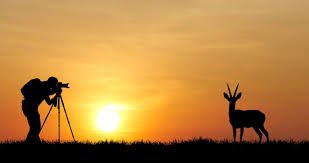
Wildlife Photography Workshops: Expert Training for Capturing Stunning Nature and Wildlife Images
Wildlife and nature photography are rewarding pursuits that combine artistic vision, technical skill, and field expertise. Wildlife photography workshops provide structured education enabling photographers to develop sophisticated skills, understand equipment, master composition techniques, and capture compelling wildlife images. Workshops bridge knowledge gaps separating amateur snapshots from professional-quality wildlife photography.
Expert-led workshops accelerate learning dramatically compared to self-teaching. Instructors share field experience, demonstrate techniques, provide personalized feedback, and mentor photographers toward improved results. Hands-on field training is more effective than classroom-only instruction for mastering wildlife photography.
Common Photography Challenges Addressed in Workshops
Wildlife photographers encounter predictable challenges—difficult lighting conditions, fast-moving subjects, understanding animal behavior, maintaining focus on distant subjects, and managing equipment in field conditions. Photography workshops systematically address these challenges through instruction, demonstration, and hands-on practice.
Composition challenges—creating visually compelling images within field constraints—receive attention through examples and field practice. Exposure challenges—managing bright sky behind dark animals or shadowed subjects—receive technical instruction and practical solutions.
Equipment Mastery and Technical Knowledge
Professional wildlife photography requires sophisticated equipment understanding—telephoto lenses, camera bodies, autofocus systems, ISO management, shutter speed optimization. Workshops teach equipment fundamentals, settings optimization, and troubleshooting enabling photographers to confidently operate gear in field conditions.
Equipment-specific instruction addresses common mistakes—improper autofocus settings, inappropriate shutter speeds, inadequate focusing distance. Expert guidance prevents expensive equipment misuse and frustrating technical problems.
Composition and Artistic Technique Development
Beyond technical proficiency, wildlife photography workshops develop artistic vision and composition skills creating compelling images. Instruction addresses—rule of thirds, leading lines, subject positioning, background management, depth of field creativity. Practice with expert feedback develops compositional instincts.
Workshops emphasize wildlife photography as artistic expression rather than mere documentation. Developing a unique artistic voice distinguishes professional wildlife photographers from casual documentarians.
Field Ethics and Responsible Photography Practices
Professional wildlife photography requires ethical behavior—maintaining appropriate distances, avoiding animal disturbance, respecting habitats, and following legal regulations. Workshops emphasize responsible practices protecting wildlife while producing compelling images.
Ethical wildlife photography creates sustainable opportunities for future photographers and preserves natural environments. Professional photographers model responsible behavior inspiring similar ethics throughout the photographic community.
Location-Specific Training and Habitat Understanding
Wildlife photography workshops often target specific locations or habitats—tropical rainforests, African savannas, coastal regions, desert environments. Location-specific instruction teaches habitat characteristics, likely subject species, optimal photography conditions, and location-specific challenges.
Understanding habitat ecology enhances wildlife photography opportunities. Knowing where subjects congregate, preferred times for activity, and seasonal patterns dramatically improves photographic success.
Animal Behavior Understanding and Prediction
Exceptional wildlife photographs often result from understanding animal behavior, enabling photographers to anticipate action moments. Workshops include behavior instruction, helping photographers recognize signs of activity, predict movements, and position accordingly.
Behavioral knowledge transforms reactive snapshots into intentional, composed images capturing authentic wildlife moments. This knowledge separatesa novice from a professional wildlife photographer.
Advanced Technique and Specialized Methods
Workshops address advanced techniques—high-speed flash photography, focus stacking, image compositing, specialized macro photography, and other specialized methods. Advanced instruction serves experienced photographers seeking to refine their technique and develop new skills.
Specialized method instruction enables photographers to tackle challenging subjects and conditions previously considered impossible—small insects, fast-moving birds, and low-light environments.
Post-Processing and Digital Workflow
Modern wildlife photography includes post-processing—adjusting exposure, color correction, contrast enhancement, and artistic adjustments. Workshops address digital workflows, software tools, and ethical boundaries in editing. Proper post-processing elevates good images to excellent results.
Post-processing instruction prevents over-editing while maximizing image potential. Understanding software capabilities and ethical editing boundaries produces professionally finished wildlife images.
Critique and Personalized Feedback
Valuable workshop components include instructor critique—receiving expert feedback on individual images, discussing strengths and improvement areas. Personalized feedback accelerates individual progress more effectively than generic instruction.
Constructive critique in supportive environments builds photographer confidence while identifying specific improvement opportunities. This personalized attention distinguishes quality workshops from generic instruction.
Networking and Community Building
Wildlife photography workshops create communities—connecting photographers sharing interests and goals. Networking often leads to future collaboration, shared trips, and ongoing learning relationships extending beyond workshop completion.
Community connections prove valuable long-term, supporting photographer development and providing motivation throughout photography pursuits.
Conclusion
Wildlife photography workshops accelerate photographer development through expert instruction, hands-on field training, and personalized feedback. Structured learning, equipment mastery, artistic development, and field experience combine producing significant skill advancement. Whether beginning photographers or experienced practitioners seeking refinement, quality workshops provide valuable education enabling photographers to capture compelling wildlife images and develop sustainable photography practices.


0 Comments