
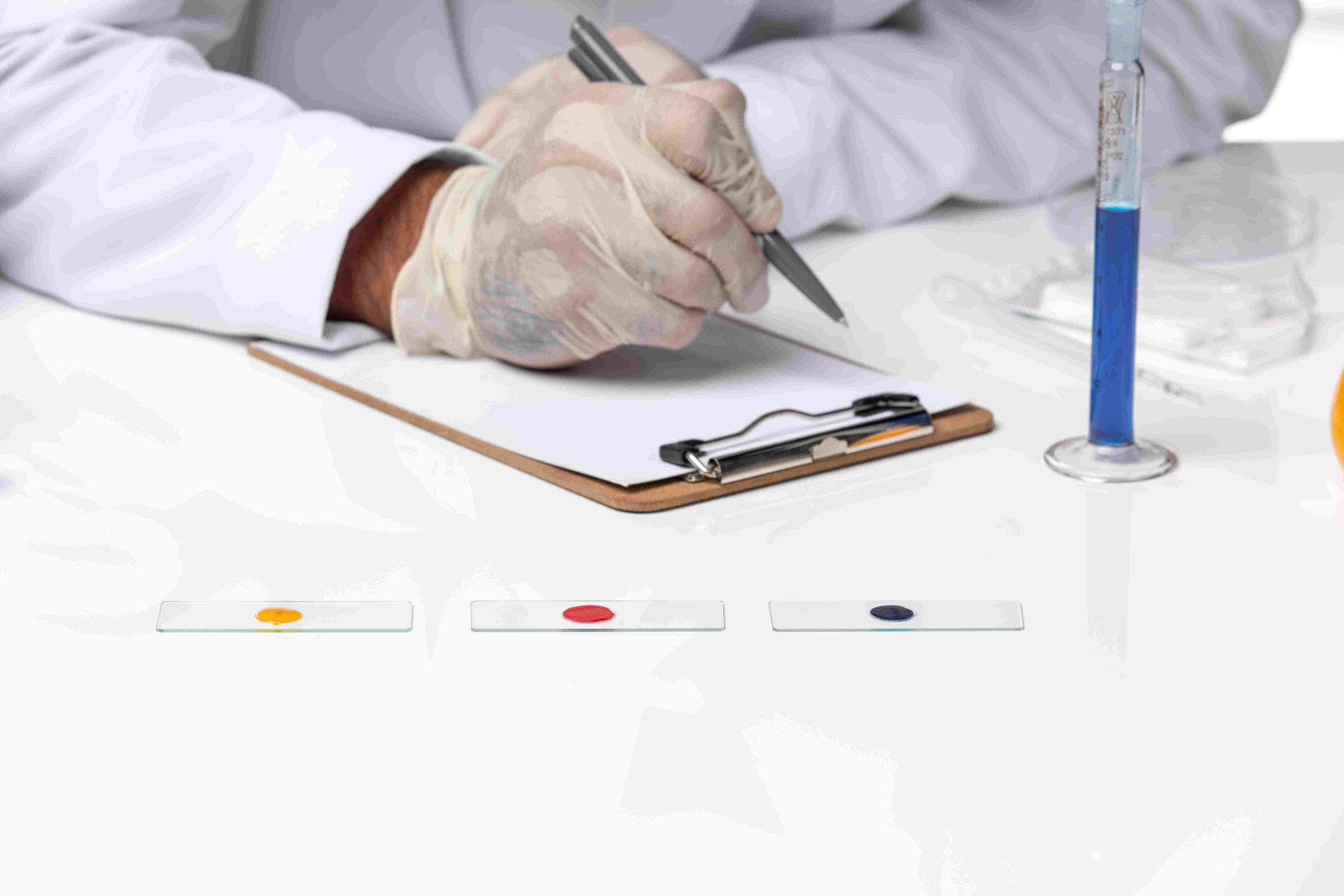
Widal Test: Purpose, Procedure, Benefits, and Importance
The Widal Test is a blood test commonly used to help detect antibodies associated with typhoid fever. It has been widely used for many years as a screening tool in the evaluation of suspected typhoid infections. The test helps healthcare professionals assess symptoms and gather information that may support the diagnosis of typhoid fever.
Typhoid fever is caused by Salmonella Typhi bacteria and can lead to prolonged fever and other health concerns if not properly evaluated and managed.
What is a Widal Test?
A Widal Test is a serological blood test that measures antibodies produced by the immune system in response to typhoid-causing bacteria.
The test evaluates antibody reactions against specific antigens associated with:
- Salmonella Typhi
- Salmonella Paratyphi
Healthcare professionals use the test results alongside symptoms, medical history, and other investigations to support clinical assessment.
Why is the Widal Test Important?
The Widal Test remains an important tool in typhoid screening and evaluation.
Supports Typhoid Screening
The test helps identify possible immune responses related to typhoid infection.
Assists Clinical Evaluation
Results provide additional information for healthcare providers during diagnosis.
Supports Early Investigation
Timely testing may contribute to prompt healthcare assessment.
Widely Available
The Widal Test is offered by many pathology laboratories and diagnostic centers.
Symptoms That May Lead to a Widal Test
Healthcare providers may recommend a Widal Test when individuals experience:
- Persistent fever
- Fatigue
- Weakness
- Headache
- Loss of appetite
- Stomach discomfort
- Digestive disturbances
- General illness symptoms
The symptoms of typhoid fever may resemble those of several other infections, making laboratory testing valuable.
How Does the Widal Test Work?
The Widal Test measures antibodies produced against specific bacterial antigens.
O Antigen Antibodies
These antibodies are associated with the bacterial cell wall.
H Antigen Antibodies
These antibodies are associated with bacterial flagella.
The laboratory measures antibody levels and reports the findings for medical interpretation.
How is a Widal Test Performed?
The procedure is simple and requires only a blood sample.
Step 1: Blood Sample Collection
A healthcare professional collects a small blood sample from a vein in the arm.
Step 2: Laboratory Analysis
The sample is tested using laboratory techniques designed to measure antibody reactions.
Step 3: Report Preparation
A laboratory report is generated.
Step 4: Medical Interpretation
Healthcare providers interpret the results in the context of symptoms and clinical history.
The blood collection process usually takes only a few minutes.
Is Fasting Required for a Widal Test?
In most cases, fasting is not required before a Widal Test. Patients should follow any instructions provided by their healthcare provider or laboratory.
Benefits of a Widal Test
The Widal Test offers several advantages.
Simple Blood Test
Only a small blood sample is required.
Widely Accessible
The test is available at most diagnostic laboratories.
Supports Infection Assessment
It provides useful information during typhoid evaluation.
Useful Screening Tool
Healthcare professionals often use the test as part of a broader diagnostic approach.
Widal Test vs Typhidot Test
Both tests may be used when typhoid fever is suspected.
Widal Test
- Measures antibody reactions to typhoid antigens
- Commonly used for screening
- Widely available
Typhidot Test
- Detects specific IgM and IgG antibodies
- Often associated with quicker interpretation
- Also used in typhoid evaluation
Healthcare providers determine which test is most suitable based on individual circumstances.
Widal Test vs Blood Culture
Widal Test
- Detects immune response
- Used as a screening investigation
- Relatively simple and accessible
Blood Culture
- Detects bacteria directly
- Often used as a confirmatory investigation
- Provides additional diagnostic information
Both tests may be recommended depending on clinical requirements.
Who Should Consider a Widal Test?
A Widal Test may be recommended for:
- Individuals with prolonged fever
- Patients experiencing symptoms suggestive of typhoid infection
- People advised by healthcare professionals to undergo infection screening
- Individuals undergoing medical evaluation for persistent illness
Testing decisions should always be guided by qualified healthcare providers.
Preventing Typhoid Fever
Several preventive measures can help reduce infection risk.
Practice Good Hand Hygiene
Regular handwashing supports infection prevention.
Drink Safe Water
Use clean and treated drinking water whenever possible.
Follow Food Safety Practices
Proper food handling and preparation reduce contamination risks.
Maintain Personal Hygiene
Good hygiene supports overall health and wellness.
Seek Medical Attention for Persistent Symptoms
Early medical evaluation supports timely diagnosis and treatment.
Widal Test and Preventive Healthcare
Preventive healthcare focuses on identifying health concerns before complications develop. The Widal Test contributes to this approach by helping healthcare providers investigate symptoms that may indicate typhoid infection.
Prompt medical consultation and appropriate testing remain important aspects of overall healthcare management.
Final Thoughts
The Widal Test is a widely used blood test that helps detect antibodies associated with typhoid fever. It serves as a valuable screening tool and assists healthcare professionals during the evaluation of prolonged fever and infection-related symptoms.
Individuals experiencing persistent fever, fatigue, or other symptoms suggestive of infection should consult qualified healthcare professionals to determine whether a Widal Test or additional investigations are appropriate.


0 Comments