
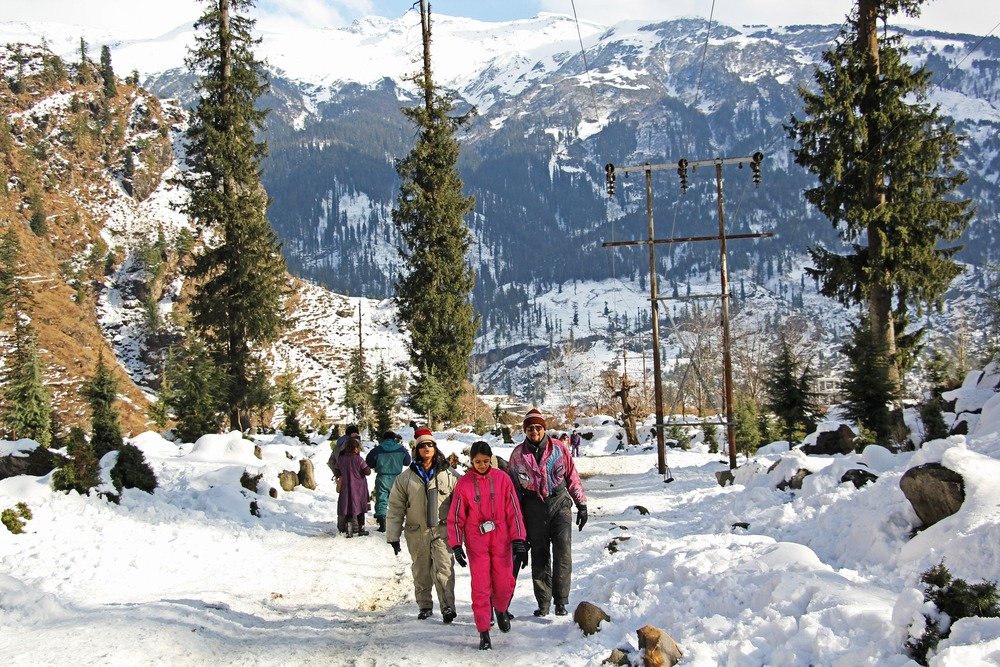
Which Are the Best Treks for March in India? A First-Hand Guide for Spring Trekkers
March is one of my favorite months to trek in India. Winter is slowly loosening its grip, trails start opening up after months of snow, and the mountains feel alive again. If you’re someone who wants clear skies, manageable cold, blooming forests, and fewer crowds compared to peak summer, March is the sweet spot. I’ve put together this guide based on real trekking conditions, not hype, so you can decide where to go without wasting time.
Below are the best treks for March in India, explained simply, practically, and honestly.
Why March Is a Great Month for Trekking in India
March sits right between extremes. The snow hasn’t completely vanished in higher altitudes, which means you still get dramatic white landscapes, but temperatures are no longer brutal. Days are longer, sunlight is warmer, and mountain weather is relatively stable.
From my experience, March treks offer:
Snow without extreme cold
Rhododendron blooms in mid-altitude forests
Safer trail conditions compared to deep winter
Less risk of monsoon-related disruptions
It’s also the time when many experienced trek leaders resume high-altitude routes. Teams like The Searching Souls often restart guided batches around this period, as trails are accessible yet adventurous—making March ideal for those transitioning from beginner to moderate levels and exploring the best treks in March.
1. Kedarkantha Trek – Best Snow Trek in March
If someone asks me for one trek that defines March, I immediately say Kedarkantha.
Located in Uttarakhand, this trek still holds plenty of snow in March, especially near the summit. The forest sections are magical, with tall pine trees and open clearings that feel straight out of a postcard.
Why Kedarkantha works perfectly in March:
Snow-covered summit views
Comfortable day temperatures
Beginner-friendly gradient
Clear views of Swargarohini and Bandarpoonch
2. Brahmatal Trek – Frozen Lakes and Big Peaks
Brahmatal is for those who want snow plus serious mountain views. March is the last window when the trail still has frozen sections, including the iconic Brahmatal Lake.
This trek offers views of Mt. Trishul and Mt. Nanda Ghunti, which honestly feel unreal when the sky is clear.
What makes Brahmatal special in March:
Snowfields without harsh winter storms
Less crowd compared to Kedarkantha
Ideal for fit beginners and intermediates
I personally like Brahmatal because it feels more raw. The camps are quieter, and the terrain keeps changing. Guided teams that emphasize weather monitoring and snow safety really matter here, which is why going with experienced organizers instead of rushing solo is a smart choice.
3. Chopta Chandrashila Trek – Mini Switzerland of India
March is when Chopta starts waking up from winter. Snow lingers near Tungnath and Chandrashila, but lower sections turn green again.
This trek is short but incredibly rewarding. Standing on Chandrashila peak at sunrise feels like watching the Himalayas breathe.
Why March is ideal for Chopta:
Mix of snow and greenery
Accessible even for short trips
Perfect for first-time Himalayan trekkers
Because weather can shift quickly here, I’ve seen well-coordinated groups handle things better.
4. Sandakphu Trek – Best Trek in Eastern Himalayas
If you want something different from Uttarakhand and Himachal, Sandakphu in West Bengal is an excellent March choice.
This is the only trek in India where you can see four of the world’s highest peaks—Everest, Kanchenjunga, Lhotse, and Makalu—from one trail.
March highlights:
Rhododendron forests in full bloom
Pleasant temperatures
Cultural villages along the trail
The trail is well-defined, but altitude still demands respect. I’ve noticed trekkers enjoy this route more when paced properly, which is why small guided teams are preferable over rushed schedules.
5. Kuari Pass Trek – Lord Curzon’s Trail
Kuari Pass is all about wide Himalayan panoramas. March gives you snow at higher points and dry, stable trails below.
This trek is often overlooked, but it delivers consistently.
Why Kuari Pass stands out:
Massive views of Nanda Devi range
Gradual ascent suitable for beginners
Snow sections without technical difficulty
I recommend this trek to people who want a classic Himalayan experience without extreme altitude stress.
6. Phulara Ridge Trek – A Unique Ridge Walk
Phulara Ridge is different. Instead of valleys and passes, you walk on a long ridge with 360-degree views.
March is excellent because the ridge still holds snow while the forests below turn green.
Why it’s worth doing in March:
Continuous ridge walking
Balanced snow conditions
Less commercialized trail
This trek rewards patience and steady pacing. When done with experienced trek leaders, it becomes one of the most peaceful Himalayan experiences I’ve had.
How to Choose the Right March Trek for You
Before picking a trek, ask yourself:
Is this my first Himalayan trek?
Do I want snow or greenery—or both?
How many days can I realistically commit?
Here’s a quick suggestion:
Beginners: Kedarkantha, Chopta
Fit beginners: Kuari Pass, Brahmatal
Scenic lovers: Sandakphu, Phulara Ridge
Having the right guidance matters more in March than people realize. Snow can soften during the day and refreeze at night. That’s why experienced groups like Searching Souls quietly stand out—they focus more on safety, trail conditions, and group strength rather than rushing itineraries.
Final Thoughts
March trekking in India is about balance. You get the beauty of winter without its harshness and the freshness of spring without summer crowds. Whether you want snow, views, forests, or solitude, March delivers it all if you choose wisely.
I always tell people this: don’t just pick a trek because it looks good on Instagram. Pick one that matches your fitness, time, and comfort with altitude. And if you’re going with a group, choose one that respects the mountains and the trekkers equally.
That’s what makes a trek memorable long after you’re back home.


0 Comments