
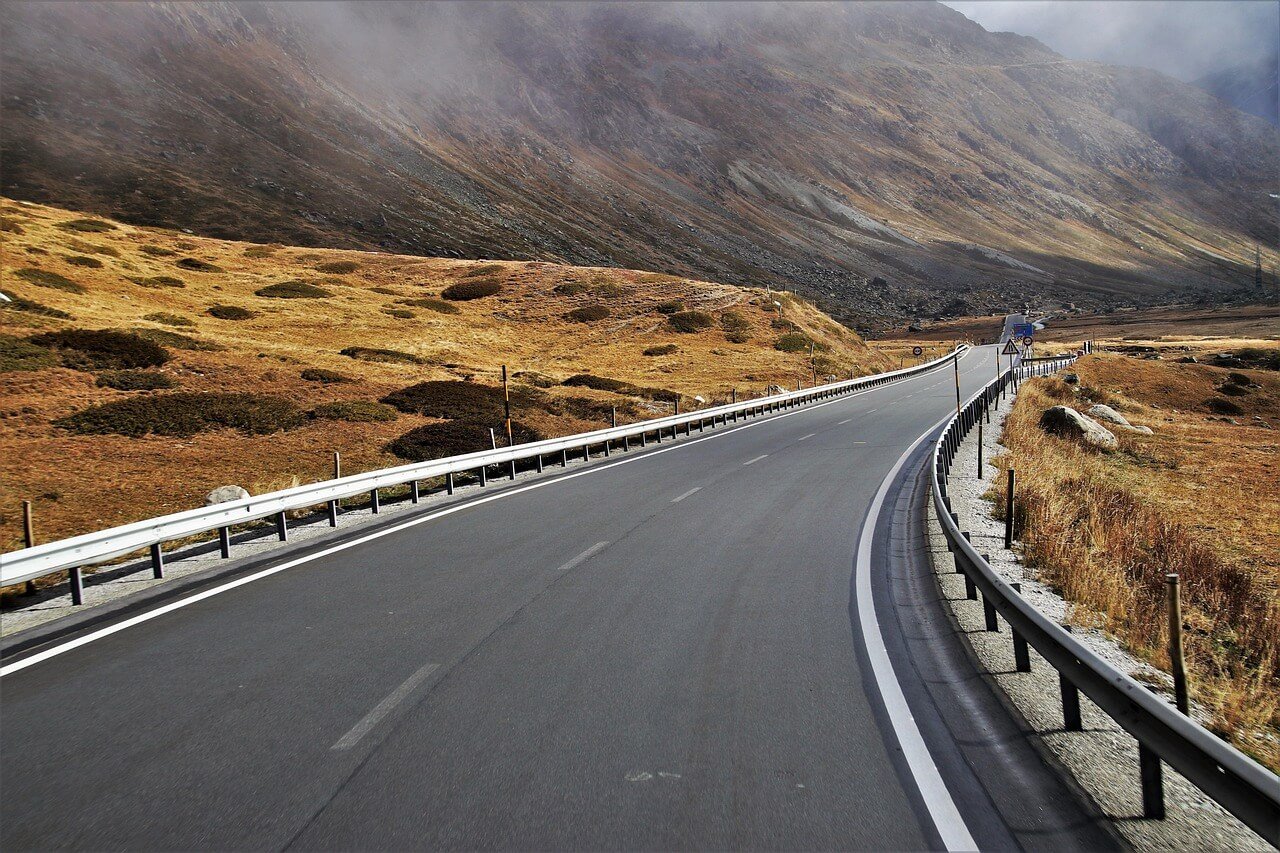
Travel Safer on Highways: How Road Traffic Barriers Prevent Accidents
Truth is, hurtling down the Hume or snaking through the curves of the Great Ocean Road, chances are you barely notice the metal barriers blurring beside you.
Still, if disaster strikes out of nowhere, it’s the road traffic barrier that stops you from hitting a massive gum tree head-on.
Driving past, you barely notice them. What do they actually do? Stop cars from veering off cliffs, mostly. Or hitting solid structures like bridge supports head-on.
How They Actually Keep You Safe
Think it’s just a sturdy wall? Think again. Barriers do more than just standing firm.
These structures are built in a way to do a lot of heavy lifting. Hitting any of the barriers means they have to brace for the forceful impact. Rather than snapping to a halt, a guaranteed path to severe harm, it makes the vehicle slow down step-by-step.
Here’s another thing. When built right, the system grabs a veering car and guides it back in line with the roadway. That tiny delay lets the person behind the wheel stop before sliding into opposite lanes. Plus, those reflective strips you see glued to them? Absolute lifesavers during a midnight downpour, offering visual cues that guide you safely around tight bends.
Types & Standards
Not all guardrails are created equal. If we look at the common types of roadside barriers in Australia and relevant safety standards, they generally boil down to how stiff they are.
- Flexible (Wire Rope): You’ve definitely seen these strung along freeway medians. They act like a colossal rubber band. High-tension steel cables sit on weak posts, and when they take a hit, they stretch. We’re talking up to 3.7 metres of deflection, which sucks up an insane amount of impact force.
- Semi-Rigid (W-Beam & Thrie-Beam): Your classic corrugated galvanised steel rails. They offer a sweet spot between strength and give, bending just enough during a crash to cushion the blow without breaking.
- Rigid (Concrete): Sometimes there’s simply no room for a barrier to bend. Enter the Jersey barrier. These solid concrete walls rely entirely on their shape. The angled base actually lifts an out-of-control car slightly, guiding it right back along the wall without budging an inch.
The First Line of Defence: Ends and Cushions
Imagine that. Years back, the front parts of roadside barriers often turned into spears, piercing cars when crashes happened headfirst. Good thing engineers finally noticed.
Today’s end terminals are energy-absorbing marvels. Hit one head-on, and the impact head gets pushed down the rail, flattening the steel and bending it outward, exactly like a giant shock absorber. You’ll also spot crash cushions. Usually, these are clusters of sand-filled yellow barrels or collapsible boxes sitting near toll booths and off-ramps. They’re designed to safely catch vehicles before things get disastrous.
Strategic Placement
Engineers calculate what’s called a "clear zone". It’s a flat, hazard-free buffer next to the road where a driver can safely recover. If they can’t clear out the hazards in that zone, up goes a barrier.
You’ll see them shielding bridge approaches, treacherous drops, and narrow medians. Take a recent Safety Barrier installation in Melbourne in a tight urban corridor, for example. It was likely put there because the lack of physical space meant commuters had absolutely zero room for error if they veered off the road.
Why They Sometimes Fail
A wrong start ruins even the best design. When things go sideways early, trouble follows.
A fraction off in installation, the rail fails when a fast-moving vehicle leaps over it. Too high? A smaller car might slide completely underneath.
Then there’s the foundation. Spacing posts too far apart or driving them into soft soil severely weakens the whole system. And let's not forget maintenance. When bolts are eaten by rust, or the thing has already taken a hit in some past crash, it might fail when needed most. Ends fragile.
Wrapping Up:
Safe driving matters the most, yet those safety barriers play a quiet but powerful role. Even so, nothing beats human care behind the wheel. When crashes happen, though, that sturdy infrastructure often makes the difference between life and death down under. Driving past one of these roadside guardians? You might just owe it a silent thanks. Stay Safe, Drive Safe.







0 Comments