
Total Knee Replacement in Islamabad: Return to Life
Knee problems can drastically affect a person’s daily life, making walking, climbing stairs, or standing for long periods painful and frustrating. For individuals with severe arthritis, joint degeneration, or injuries, total knee replacement in Islamabad has become a highly effective solution. Advances in medical technology and surgical techniques now allow patients to regain mobility, reduce chronic pain, and significantly improve their quality of life.
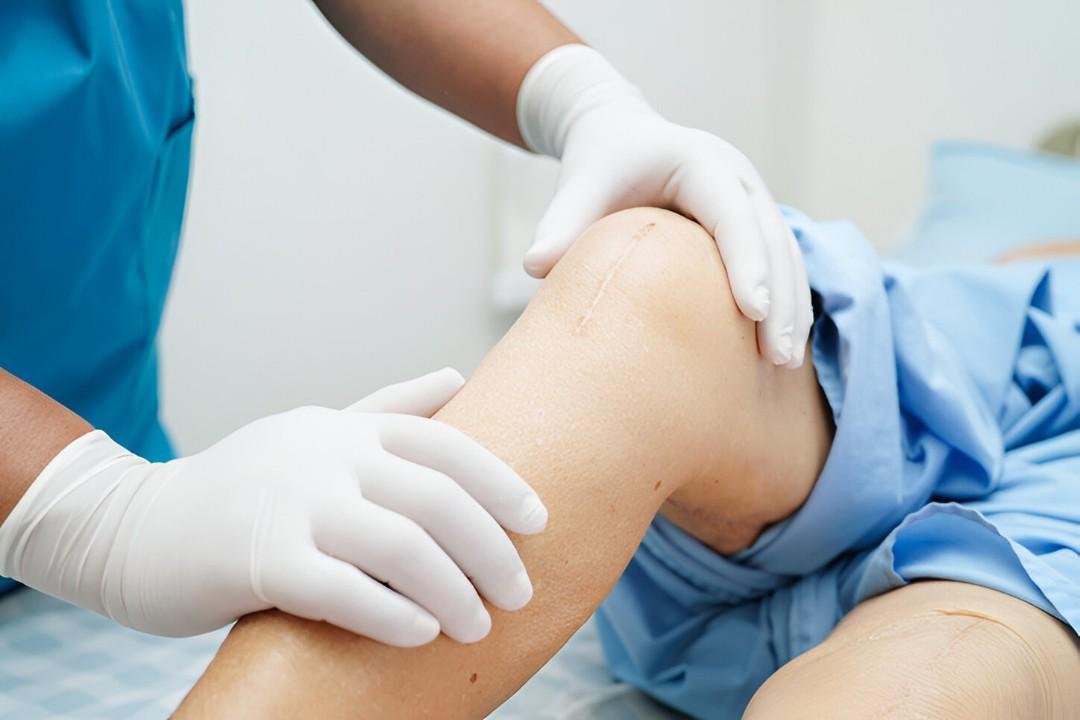
Total knee replacement is a surgical procedure in which a damaged knee joint is replaced with artificial components, typically made from high-quality metal and medical-grade plastic. The primary goal is to restore mobility, reduce persistent pain, and enable patients to perform routine tasks comfortably. This surgery is generally considered when non-surgical approaches, such as medications, injections, weight management, or total knee replacement physiotherapy, do not provide adequate relief.
Who Should Consider Total Knee Replacement?
Not all knee discomfort requires surgery, but patients may benefit from total knee replacement if they experience:
Chronic knee pain that limits daily activity
Swelling and stiffness that do not improve with medication or therapy
Difficulty walking, climbing stairs, or performing household tasks
Reduced quality of life due to persistent joint discomfort
Orthopedic specialists in Islamabad carefully evaluate a patient’s age, overall health, activity level, and extent of joint damage before recommending surgery, ensuring that each candidate is an appropriate fit for the procedure.
Bilateral Total Knee Replacement
In some cases, both knees are severely damaged, necessitating bilateral total knee replacement. This can be done either simultaneously, where both knees are replaced during the same surgery, or in stages, where one knee is replaced first, followed by the second at a later time. Simultaneous procedures can reduce total recovery time, whereas staged surgeries may be easier for patients with certain medical conditions or limited physical endurance. Bilateral replacement is often chosen for patients with severe pain in both knees, aiming to restore full mobility and independence efficiently.
Understanding the Procedure
A total knee replacement procedure generally takes one to two hours and follows several precise steps. First, anesthesia is administered, either general or spinal, to ensure the patient’s comfort during surgery. The surgeon then makes an incision over the knee and removes damaged cartilage and bone. Artificial components are carefully placed to replicate natural knee movement, and the incision is closed for recovery. Hospital stays typically last several days, depending on the patient’s health, recovery speed, and whether it is a single or bilateral procedure.
The Role of Total Knee Replacement Physiotherapy
Total knee replacement physiotherapy is crucial for a successful recovery. Surgery alone cannot restore full function; rehabilitation is essential to improve flexibility, strength, and mobility. Physiotherapy usually begins within the first 24 hours after surgery and includes gentle range-of-motion exercises, walking with support devices, muscle strengthening, and gradual increase in activity. Many hospitals in Islamabad offer tailored physiotherapy programs to ensure patients regain independence safely and efficiently. Consistency in physiotherapy is key to preventing stiffness and optimizing long-term results.
Recovery Timeline
Recovery after total knee replacement varies, but most patients follow a general progression:
Week 1: Patients begin walking with support devices such as walkers or crutches. Mild swelling and pain are managed with medication.
Weeks 2–6: Mobility improves, and patients may begin reducing reliance on support devices. Physiotherapy exercises strengthen surrounding muscles.
Weeks 6–12: Daily activities become easier, including walking, sitting, and light household chores.
3–6 Months: Strength, flexibility, and mobility continue to improve. Most patients return to normal activities, although full recovery may take slightly longer depending on overall health and adherence to rehabilitation.
Balance Exercises After Total Knee Replacement
After knee replacement, balance training is an essential part of rehabilitation. Balance exercises after total knee replacement help patients regain confidence in movement, prevent falls, and stabilize the joint. Early exercises, performed under professional guidance, include standing on one leg with support, heel-to-toe walking, mini squats, step-ups, and side leg lifts. As recovery progresses, patients gradually perform more advanced exercises to enhance coordination and overall stability. Proper balance training is critical for long-term success and functional mobility.
Benefits of Total Knee Replacement
Patients often experience life-changing benefits after total knee replacement, including:
Relief from chronic knee pain
Improved walking ability and mobility
Better sleep quality due to reduced discomfort
Greater independence in daily tasks
Enhanced participation in recreational and social activities
Elderly patients and those with advanced arthritis often see the most dramatic improvements, regaining the freedom to move comfortably and perform tasks that were previously challenging.
Risks and Potential Complications
While total knee replacement is generally safe, some risks remain. These include infection, blood clots, stiffness, implant loosening, and rare nerve or blood vessel injuries. Choosing a skilled orthopedic surgeon and adhering to post-operative care instructions significantly reduce these risks. Patients should discuss potential complications in detail before surgery to make informed decisions and understand how to minimize adverse outcomes.
Total Knee Replacement Cost in Islamabad
The total knee replacement cost in Islamabad typically ranges from PKR 500,000 to PKR 1,500,000. Costs vary depending on factors such as the type of implant, hospital facilities, surgeon’s experience, anesthesia fees, and whether the surgery is unilateral or bilateral. Although the cost can be substantial, many patients view it as a worthwhile investment for long-term mobility, reduced pain, and improved quality of life. Several hospitals also offer insurance coverage or installment options to make the surgery more accessible.
Choosing the Right Surgeon
Selecting the right orthopedic surgeon is crucial to achieving a successful outcome. Patients should review the surgeon’s qualifications, experience, hospital facilities, rehabilitation programs, and patient testimonials. Clear communication regarding expected results, risks, and the recovery plan ensures patients feel confident and informed. Combining a skilled surgeon with structured physiotherapy dramatically improves the chances of successful total knee replacement outcomes.
Life After Total Knee Replacement
Post-surgery, patients often experience remarkable improvements in daily life. Most can resume walking, light exercise, driving, and household chores with minimal discomfort. High-impact activities such as running or jumping are typically discouraged to protect the artificial joint. Maintaining a healthy weight, adhering to physiotherapy routines, and practicing safe movement strategies can prolong the lifespan of the knee implant. Many patients report regaining independence and enjoying activities that were previously impossible due to pain and limited mobility.
Is Total Knee Replacement Worth It?
For individuals suffering from severe, disabling knee pain, total knee replacement is a highly effective solution. When conservative treatments fail, surgery restores mobility, reduces chronic pain, and improves overall quality of life. Combined with dedicated total knee replacement physiotherapy and balance exercises after total knee replacement, patients in Islamabad can achieve excellent long-term outcomes. Understanding the recovery process, expected costs, and rehabilitation requirements enables patients to make informed decisions and embark on a successful recovery journey. Consulting a qualified orthopedic specialist is the first step toward returning to active, pain-free living.


0 Comments