
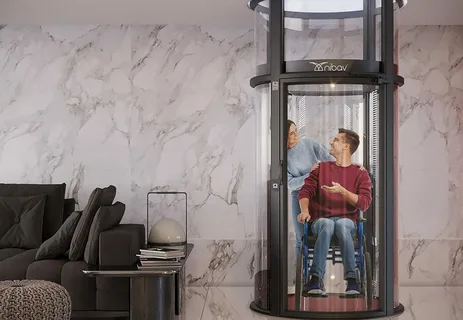
Thinking About a Homelift? Here’s Why It’s Worth It
Table of Contents
Why Homeowners Are Choosing Homelifts
What a Homelift Really Is
Home Elevator Cost Explained
What Impacts the Final Price
Types of Homelifts
Accessibility and Senior Living
Installation and Space Needs
Regional Cost Differences
Picking the Right Elevator Company
Final Verdict
FAQs
Why Homelifts Are Suddenly Everywhere
Not too long ago, a homelift felt like something reserved for luxury mansions or hotels. Today? They’re popping up in everyday homes, townhouses, and even compact urban spaces. Why the shift?
Simple—people want comfort, safety, and future-proof living. Whether it’s helping aging parents, improving accessibility, or just making life easier, homelifts are becoming a practical upgrade rather than a flashy extra.
And yes, home elevator cost plays a big role in the decision. Let’s unpack it all.
What Is a Homelift, Really?
A homelift is a compact personal elevator designed specifically for residential use. Unlike commercial elevators, these are quieter, smaller, and built for comfort rather than crowds.
You may hear them called:
Home elevators
Lift elevator systems
Residential elevators
Home lifts for elderly users
They can be installed inside or outside the home and are often customized to fit available space and lifestyle needs.
Think of a homelift like a shortcut button for your house—press it, and gravity becomes optional.
Understanding Home Elevator Cost (Without the Confusion)
Let’s address the big question head-on.
Average Home Elevator Cost
| Type | Estimated Cost |
|---|---|
| Basic Homelift | $20,000 – $30,000 |
| Hydraulic Elevator | $25,000 – $40,000 |
| Traction Elevator | $30,000 – $50,000 |
| Pneumatic Elevator | $35,000 – $55,000 |
| Custom Luxury Elevator | $60,000+ |
The residential elevator cost varies widely because no two homes—or needs—are the same.
What Impacts the Final Home Elevator Cost?
Think of pricing like ordering coffee ☕—a plain brew is cheap, but add flavors, size, and extras, and suddenly it’s premium.
Key Cost Factors
Number of floors
Elevator dimensions
Drive system (hydraulic, traction, vacuum)
Installation type (new build vs retrofit)
Custom finishes
Safety features
Local labor and permits
Even small details like typical elevator door height or control panels (e.g., Everswitch keypad) can nudge the price upward.
Types of Homelifts Explained Simply
Hydraulic Homelifts
Smooth ride, reliable, and widely used—but require a machine room.
Traction Homelifts
Energy-efficient and quiet, ideal for modern homes.
Pneumatic (Vacuum) Lifts
Sleek, space-saving, and visually stunning.
Through-Floor Lifts
Perfect for seniors and small homes—minimal construction required.
Why Homelifts Are a Game-Changer for Seniors
For seniors, stairs can turn from a minor inconvenience into a daily risk. That’s where home lifts for elderly homeowners shine.
Benefits include:
Reduced fall risk
Wheelchair accessibility
Simple controls
Quiet, smooth operation
No wonder lifts for seniors and home elevators for seniors are among the fastest-growing residential upgrades.
Installation: What to Expect
Home Elevator Installation Basics
Structural preparation
Electrical work
Compliance with elevator installation manuals
Safety inspections
Most installations take 2–6 weeks, depending on complexity.
Space Requirements
Good news—you don’t need a huge house. Modern elevators for homes are compact and adaptable.
Home Elevator Cost by Location
Prices vary by region due to labor, regulations, and demand.
| Location | Average Cost |
|---|---|
| Canada | $30,000 – $55,000 |
| Ontario | $32,000 – $50,000 |
| Los Angeles | $40,000 – $65,000 |
| Houston | $25,000 – $45,000 |
Canada has seen growing demand for affordable home elevators Canada, especially in Ontario.
Cost Comparison Table
Budget vs Premium Homelifts
| Feature | Budget Option | Premium Option |
|---|---|
| Price | $20k–$30k | $45k–$70k |
| Customization | Limited | Extensive |
| Noise Level | Moderate | Ultra-quiet |
| Smart Features | Basic | Advanced |
| Maintenance | Lower | Moderate |
👉 This is where value matters more than price.
Choosing the Right Elevator Company
Searching “elevator contractors near me” is a good start—but don’t stop there.
Look for:
Proven residential experience
Clear pricing
Maintenance support
Local reputation
Companies like Cambridge Elevating Inc, Elmira Elevator, and regional specialists often provide tailored residential solutions. Always ask for references and installation photos.
Hidden Costs to Keep in Mind
Some costs sneak up later:
Annual maintenance
Emergency servicing
Replacement parts
Technology updates (e.g., Kings III elevator phone programming)
Planning ahead keeps surprises away.
Is a Homelift Worth It? Honestly?
Short answer: yes—when chosen wisely.
A homelift:
Adds long-term property value
Supports aging in place
Improves daily comfort
Makes homes more accessible
It’s not just a convenience—it’s peace of mind wrapped in steel and glass.
Final Thoughts
Thinking about a homelift isn’t just about moving between floors—it’s about moving forward with confidence. When you understand home elevator cost, installation needs, and your real priorities, the decision becomes surprisingly simple.
A homelift isn’t a luxury anymore. It’s a smart, future-ready upgrade that makes everyday living smoother—literally.
FAQs
1. What is the most affordable homelift option?
Through-floor and shaftless homelifts are usually the most budget-friendly.
2. Can a homelift be installed in an existing home?
Yes, retrofitting is very common and often straightforward.
3. How long do home elevators last?
With proper maintenance, 20–30 years or more.
4. Are homelifts safe during power outages?
Most models include battery backups or emergency lowering systems.
5. Do homelifts increase home value?
Yes, especially in multi-story homes and senior-friendly markets.
Sponsored article: techglobalpost










0 Comments