
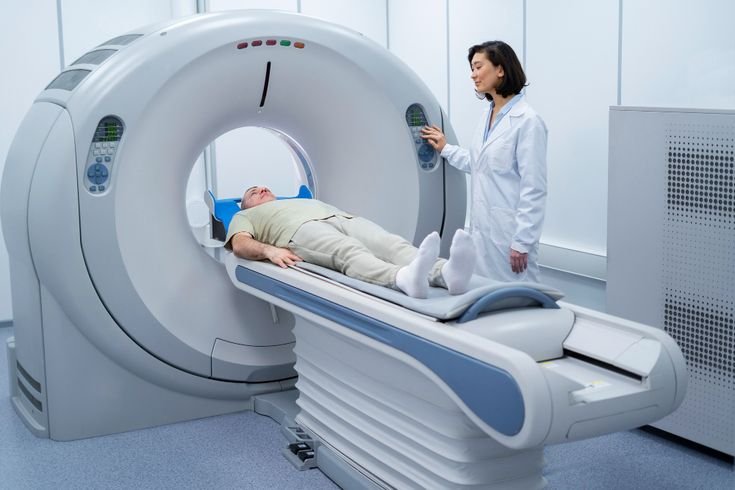
The Role of Quality Diagnostic Tools in Modern Healthcare
In any healthcare facility, diagnostic testing is considered the solid foundation. They offer vital information on the state of a patient's health. These procedures range from basic blood testing to sophisticated imaging methods. Each aids in the early detection of disease, overseeing medical problems and direct treatment strategies.
However, things are way more complicated than they seem. In healthcare settings, everything can go wrong without quality diagnostic tools. The quality of medical equipment is essential to guaranteeing good patient outcomes. Here is everything you need to know about how they improve health outcomes.
Why Having Quality Diagnostic Equipment Matters?
Beyond hospitals and clinics to labs all depend on diagnostic equipment. These tools decrease human error, increase medical accuracy, and simplify hospital procedures. The significance of diagnostic technology in healthcare cannot be emphasised. In today's hectic world, the role of an accurate and quality diagnostic tool has become more crucial than ever.
Simply put, time is of the essence for diagnosing illnesses and quality diagnostic equipments is the key. It is impossible to pass the tests accurately without them. Quality refers to the use of completely accurate, dependable, and reputable equipment for every test. Without it, a patient's condition may deteriorate more severely. Even a little issue in the report could lead to incorrect treatment.
Role of Quality Diagnostic Tool in Patient Care
The foundation of modern healthcare is high-quality medical equipment. Diagnostic tools go beyond just providing patients with high-quality care. Can't believe it? Here is what role it plays in the healthcare setting:
Enhanced Patient Care
A major role quality medical tool plays in modern healthcare is enhancing each patient's care. Quality diagnostic tools are designed with full safety. This means that they can fulfil the strictest requirements for efficacy and safety.
Be it any tool, each device goes through extensive testing and certification procedures. For instance, high-quality surgical instruments reduce the chance of complications and infections. Monitoring devices with sophisticated algorithms offer real-time data that helps avoid medical errors.
Accurate Diagnostic
In the healthcare industry, relying solely on symptoms could be misleading. This is where quality medical tools come in. Imaging and laboratory testing offer verifiable proof. This, as a result, guarantees precise diagnoses and suitable treatment regimens.
Without accurate data, identifying complicated medical diseases is impossible. As a result, it also hinders the development of successful treatment plans. These tools guarantee accurate and prompt diagnosis of illnesses. Quality diagnostic equipments empowers medical professionals to decide how best to treat patients.
Better Treatment Outcome
Every healthcare professional dreams of better treatment outcomes for their patients. This is where quality diagnostic tools come in, as they are directly correlated. For instance, modern surgical robots provide unmatched accuracy in intricate surgeries. This shortens recuperation periods and raises patient satisfaction.
Similarly, sophisticated ventilators and infusion pumps guarantee that patients receive the appropriate level of care. In simple words, they improve the overall effectiveness of treatment. Besides, diagnostic tools also help doctors to respond more quickly. For instance, a portable ultrasonography machine can quickly identify internal bleeding and enable prompt care.
Increased Efficiency
During emergencies, providing the appropriate care at the appropriate time is crucial. To some extent, efficiency is more important in healthcare than speed. This is where quality diagnostic equipments comes into play. They cut down on the amount of time spent on physical labour.
This, as a result, lowers the possibility of human error, thereby helping healthcare professionals perform more productively. Diagnostic tools not only monitor patients but also enhance both patient and doctor satisfaction. It ensures that diagnostic tests are run properly in times of need.
Cost Savings
Purchasing high-quality diagnostic tools may appear expensive up front. However, there are several substantial long-term benefits. Devices that are dependable and long-lasting require fewer repairs and replacements. This means it will lower maintenance expenses.
Quality tools, on the other hand, save you money in the long run. They also lower complications, ultimately saving healthcare facilities money. However, remember to find out certifications and authenticity before purchasing or doing any tests. Remember, the basis of an accurate treatment lies in a quality diagnostic tool.
What Happens When There's No Quality Diagnostic Tools?
Consider a patient who has extreme chest discomfort and arrives at a hospital. However, the healthcare industry has no access to quality diagnostic equipments. Diagnosing the illness becomes difficult, which causes therapy to be delayed.
For instance, consider a patient who does not have diabetes but whose report is "positive." Medication began to work, and treatment began, but the real issue was something else. Shocked. Aren't you? Well, this typically occurs frequently due to no proper diagnostic tools.
Overall, this emphasises how crucial diagnostic tools are to healthcare. They enable physicians to make precise, life-saving decisions. Diagnostic tools are the foundation of efficient medical care. They guarantee early detection, accurate treatment, and improved patient outcomes.
How Quality Diagnostic Tools Improve Hospital Productivity?
Efficiency is essential for hospitals to deliver high-quality care. The different ways diagnostic tools contribute to this are:
- Accurate diagnosis using the right equipment leads to shorter hospital stays. It decreases hospital overcrowding, thereby freeing up beds for incoming patients.
- Using diagnostic data, hospitals may more efficiently assign personnel and equipment.
- By streamlining patient records, digital diagnostic tools cut down on paperwork and human error. For instance, automated laboratory analysers can conduct hundreds of blood tests in a matter of minutes. This greatly cuts down on wait times.
Overall, quality diagnostic tools help both the healthcare setting as well as the patients.
The Right Steps Towards a Healthy Future
It is impossible to overestimate the significance of high-quality diagnostic equipments in healthcare. The tool leads to several benefits, such as accurate diagnosis, patient safety, successful therapies, etc. Absence of diagnostic tools can endanger the patient's life.
This can be due to a minor error, an incorrect report, or inappropriate personnel. The worst part is that a wrong diagnosis also changes the course of treatment and the financial cost. As a result, both patients and physicians go through psychological strain.









0 Comments