
The Power of Print: Why Business Cards and Brochures Still Matter in a Digital World
In an era of smartphones, QR codes, and constant connectivity, it may seem as though traditional print marketing materials have lost their edge. Yet, the opposite is true. Business cards and brochures continue to play a crucial role in branding, communication, and relationship-building for companies of all sizes. While digital tools are essential, tangible print pieces create lasting impressions that electronic messages often fail to achieve. For organizations looking to increase visibility, credibility, and customer engagement, business cards and brochures remain indispensable.
The Lasting Impact of a Business Card
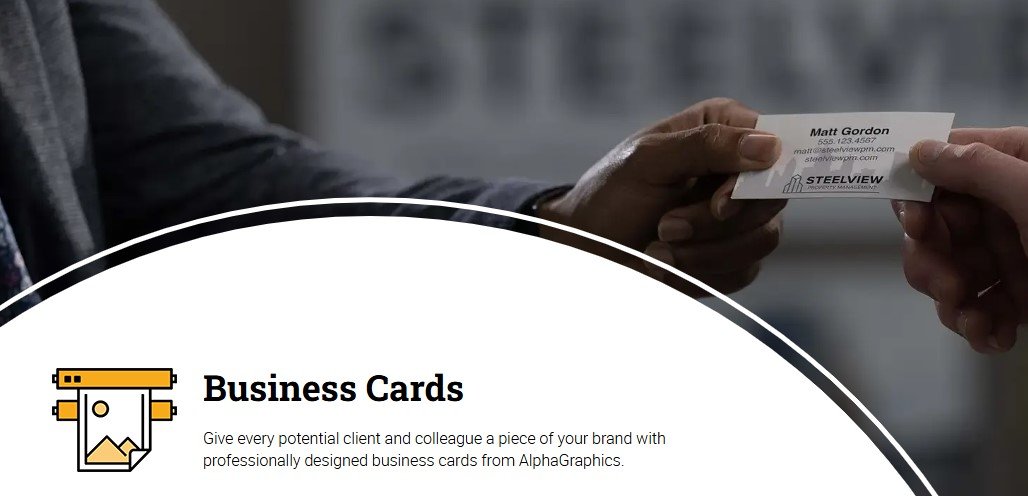
A business card may be small, but it carries tremendous value. Its size forces clarity, and its design reflects a brand’s personality in a compact, memorable form. When meeting someone for the first time, exchanging business cards creates an immediate personal connection. Unlike digital contacts that can get lost in a sea of emails or social media messages, business cards have a physical presence that encourages follow-up and fosters trust.
The tactile quality of a business card also matters. The texture of the paper, the weight of the cardstock, and the quality of the finish all contribute to how a brand is perceived. A premium card communicates professionalism before a single word is spoken. Even the choice of typography and color palette can influence how someone feels about your business. These subtle design decisions signal attention to detail—something customers instinctively value.
Moreover, business cards act as miniature billboards. Whether displayed on a desk, pinned to a board, or shared with someone else, they continue promoting long after the initial exchange. Their simplicity makes them practical, but their design makes them powerful.
Brochures: Your Brand Story in Hand
While business cards open the door to connection, brochures guide people further into the brand story. They offer space for explanations, visuals, and persuasive messages that influence decision-making. A well-crafted brochure goes beyond listing services—it communicates purpose, values, and benefits in a polished, visually engaging format.
One of the key advantages of brochures is their ability to inform without overwhelming. Websites and digital ads can be distracting, but brochures encourage focused reading. Customers can take them home, review them at their own pace, and revisit important details whenever needed. This makes brochures especially effective for industries that offer multiple services or products, such as real estate, hospitality, healthcare, and creative services.
The design of a brochure also reinforces brand identity. From tri-fold formats to multi-page booklets, the structure itself can reflect a brand’s personality. High-quality imagery, thoughtful layout, and compelling copy come together to tell a cohesive story. A brochure is not just informational—it’s experiential. It guides the reader through a narrative that ultimately builds trust and inspires action.
Why Print Still Works in a Digital Landscape
Even as digital marketing evolves, print materials hold a unique advantage: they are physical. People remember what they can touch. Numerous studies show that printed content increases comprehension, engagement, and emotional impact compared to digital content. Print marketing also cuts through the digital noise. Inboxes overflow, social feeds move at lightning speed, and online ads are often ignored. A business card or brochure, however, demands attention simply by existing in someone’s hands.
Print materials also improve brand credibility. Customers often view printed pieces as more legitimate and trustworthy than digital-only messaging. A company willing to invest in professionally designed print materials signals reliability. It suggests permanence in a world where digital content can feel fleeting.
Another strength of print is its accessibility. Not every customer engages online, and even those who do appreciate having something tangible as a reference. Print complements digital marketing beautifully—brochures can include QR codes linking to websites, portfolios, or videos, while business cards can direct prospects to online calendars, social media profiles, or digital catalogs. When done right, print and digital work hand-in-hand to create a seamless brand experience.
Design That Differentiates
In competitive markets, design becomes a decisive factor. Your business card and brochure must not only inform—they must stand out. Clean layouts, intentional spacing, quality imagery, and thoughtful typography all elevate the brand experience. Even small design upgrades, such as soft-touch coatings or raised lettering on business cards, can leave memorable impressions.
The goal of design is not to overwhelm but to communicate clearly. It is essential to consider the user experience: What information does someone need first? What should they feel when interacting with your materials? What action should they take after reading?
Consistency is equally important. Colors, fonts, messaging, and tone should align with your overall brand identity. When business cards and brochures match your website, signage, and social media, they create a cohesive visual ecosystem that strengthens recognition and trust.
Using Business Cards and Brochures Strategically
These print materials are most effective when integrated intentionally into your marketing strategy. Business cards should be readily available at networking events, meetings, receptions, and even in product shipments. Brochures can be displayed in store lobbies, included in sales packets, handed out at trade shows, or mailed to targeted prospects. They can also serve as educational tools for staff, ensuring everyone communicates the same message.
The key is relevance. A beautifully designed brochure that speaks directly to customer needs is more persuasive than any digital ad. A business card presented at the right moment can lead to a partnership, sale, or referral. When used strategically, these materials amplify your brand presence and spark real conversations.
Choosing the Right Partner
Quality matters. Poorly designed or low-quality print materials can hurt your brand more than help it. That’s why partnering with an experienced print and design provider is essential. A professional print team understands how to balance creativity with clarity and how to bring your vision to life with precision and craftsmanship. If you’re looking for a partner who can deliver thoughtfully designed, high-quality business cards and brochures, AlphaGraphics Design District offers the expertise and attention to detail your brand deserves.
Conclusion
Business cards and brochures remain timeless tools in the marketing toolkit. They create personal connections, tell compelling stories, and reinforce brand credibility in ways digital media alone cannot achieve. As businesses strive to stand out, the combination of tactile quality, thoughtful design, and strategic distribution makes print materials more relevant than ever.











0 Comments