
Sciatica Pain Relief, Causes, Symptoms and Best Treatments
Sciatica pain can turn simple daily tasks into a struggle. From sitting to walking, everything feels uncomfortable when that sharp nerve pain kicks in. If you have ever felt a shooting pain from your lower back down your leg, chances are you have experienced sciatica.
The good news is that sciatica is manageable. With the right understanding and treatment, most people find significant relief without surgery. Let’s break it down in a simple and practical way.
What is Sciatica
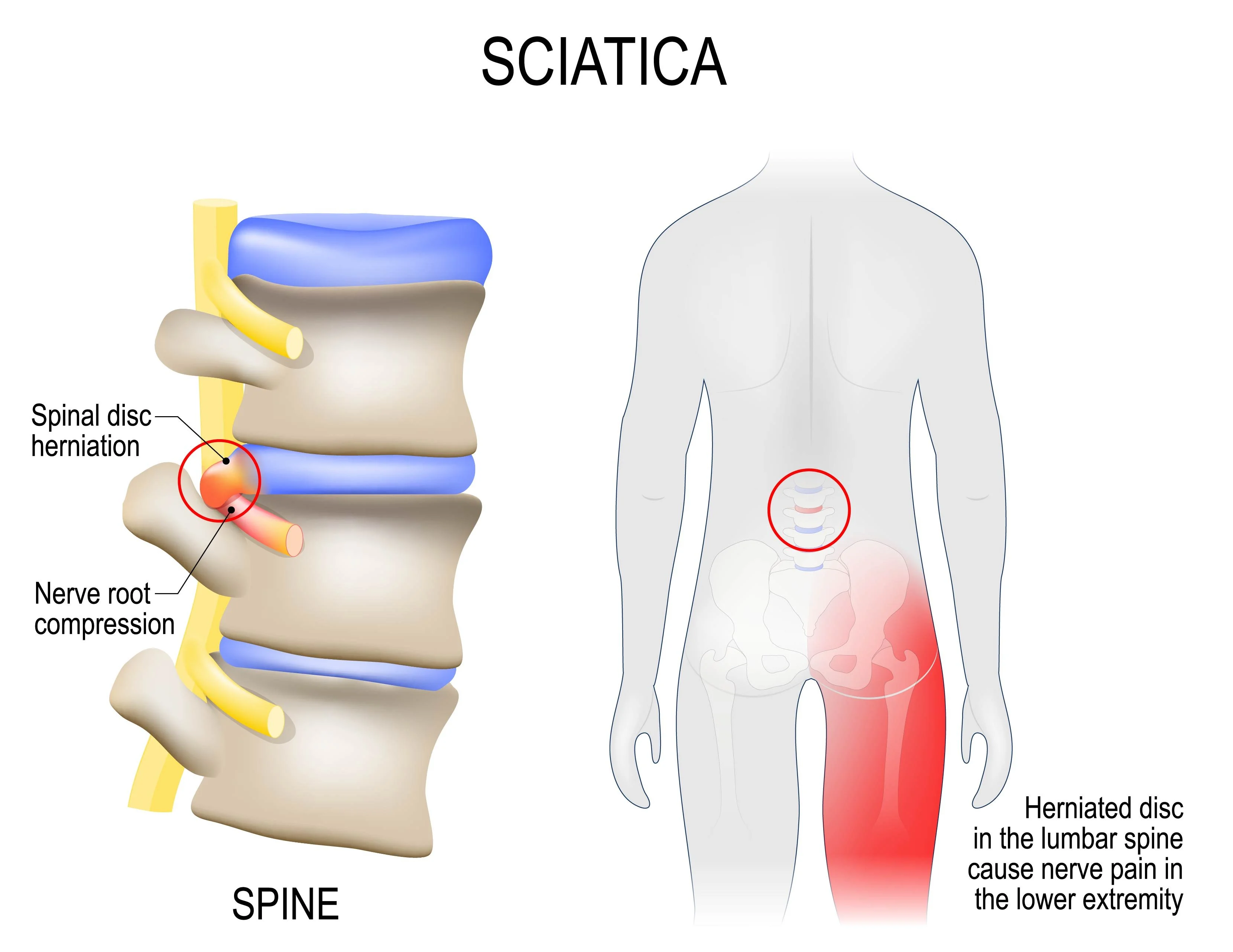
Sciatica is not a condition itself, but a symptom of an underlying problem. It happens when the sciatic nerve, which runs from your lower spine to your legs, gets irritated or compressed.
This nerve is the longest in the body, so when it is affected, the pain can travel across a wide area. Some people feel mild discomfort, while others experience intense pain that affects their daily routine.
Common Causes of Sciatica
Several conditions can put pressure on the sciatic nerve. The most common causes include:
Herniated disc
A slipped or bulging disc in the spine can press on the nerve and trigger pain.
Spinal stenosis
This is a narrowing of the spinal canal, which puts pressure on nerves.
Degenerative disc disease
As discs wear down with age, they can irritate nearby nerves.
Muscle spasm or injury
Tight muscles, especially in the lower back or hips, can compress the nerve.
Prolonged sitting
Sitting for long hours, especially with poor posture, increases the risk of sciatica.
Symptoms You Should Not Ignore
Sciatica symptoms can vary, but some common signs include:
Pain that radiates from the lower back to the leg
Sharp, burning, or shooting pain
Numbness or tingling in the leg or foot
Muscle weakness in the affected leg
Pain that worsens while sitting or bending
If the pain becomes severe or affects your ability to move, it is important to seek medical advice.
Best Treatments for Sciatica Pain Relief
The right treatment depends on the severity and cause of the pain. Here are the most effective options:
1. Home Remedies and Lifestyle Changes
For mild cases, simple changes can make a big difference.
Apply hot or cold packs to reduce inflammation
Avoid sitting for long periods
Use proper posture while working or resting
Stay active with light movement
2. Physical Therapy
Targeted exercises help strengthen the muscles around your spine and reduce pressure on the nerve. Stretching also improves flexibility and prevents future flare ups.
3. Medications
Doctors may recommend pain relievers, anti inflammatory drugs, or muscle relaxants to manage symptoms.
4. Minimally Invasive Treatments
In some cases, injections like epidural steroids can reduce inflammation and provide quick relief.
5. Surgery
Surgery is usually the last option and is recommended only when pain is severe or does not improve with other treatments. Modern techniques focus on removing the pressure on the nerve with minimal recovery time.
Tips to Prevent Sciatica
Prevention is always better than treatment. Here are some easy ways to reduce your risk:
Maintain good posture
Exercise regularly to strengthen your core
Avoid heavy lifting or use proper techniques
Take breaks if you sit for long hours
Keep a healthy body weight
Final Thoughts
Sciatica pain can feel overwhelming, but it is often treatable with the right approach. Understanding the cause and taking early action can help you recover faster and prevent future problems.
If your pain continues or worsens, do not ignore it. Getting proper medical guidance can make all the difference in your recovery journey.
Frequently Asked question
1. What is the fastest way to relieve sciatica pain
Applying cold packs, gentle stretching, and short walks can provide quick relief. Avoid staying in one position for too long.
2. Can sciatica go away on its own
Yes, many cases improve within a few weeks with rest and basic care. However, persistent pain needs medical attention.
3. Is walking good for sciatica
Yes, light walking helps improve blood flow and reduces nerve pressure, which can ease pain.
4. When should I see a doctor for sciatica
You should see a doctor if the pain is severe, lasts more than a few weeks, or causes weakness or numbness.
5. Can exercise cure sciatica
Exercise does not cure the root cause, but it plays a major role in reducing pain and preventing recurrence.








0 Comments